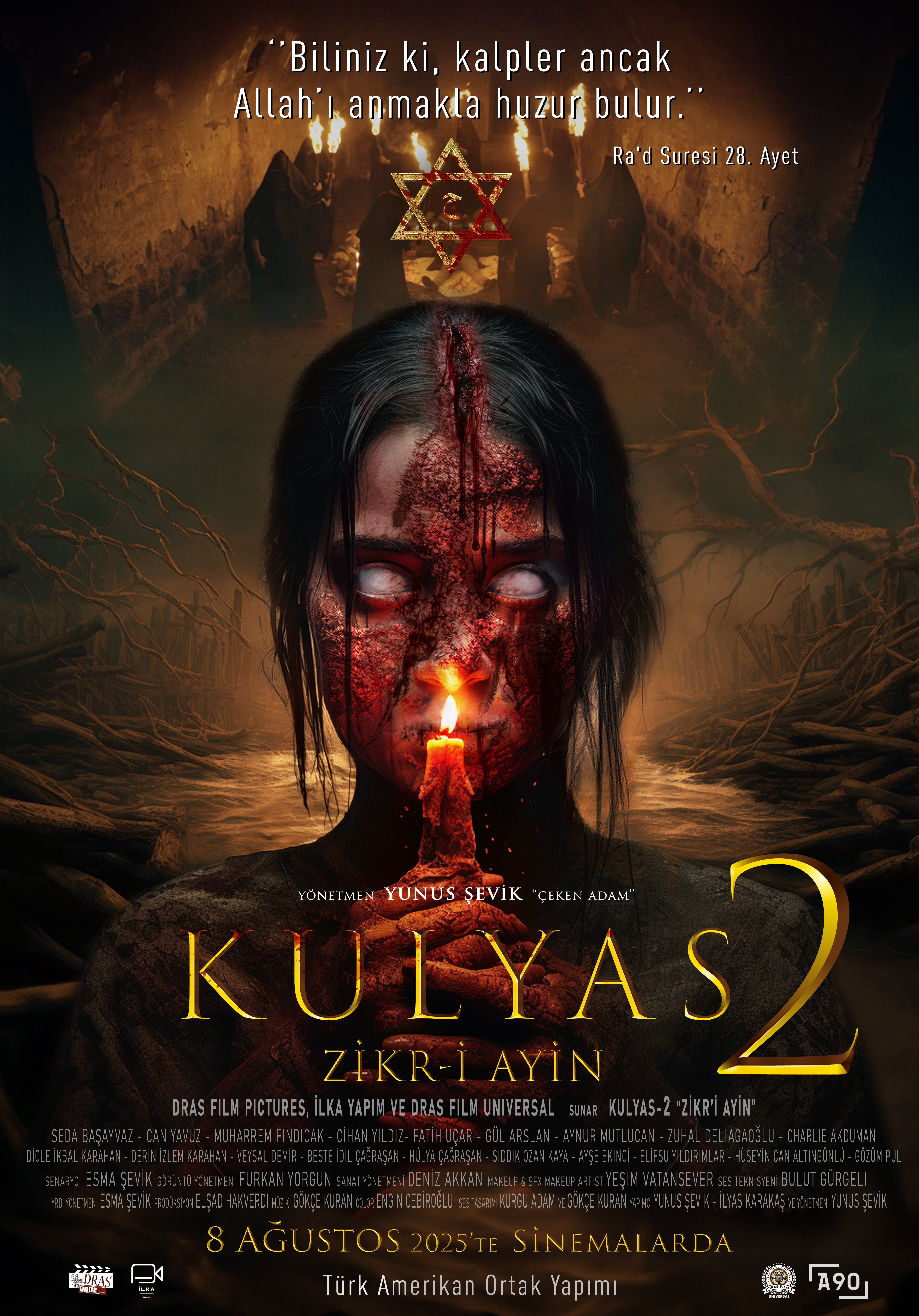
Indie Film Review “Kulyas 2: Zikr-i Ayin” Dark pacts, desperate choices, religious allegory, and mythological demons collide in a highly worthy, frightening sequel

WATCH THE TRAILER BELOW:
First, the Recap:
Family history. One hopes that this entails the study of all aspects of one’s heritage that are GOOD, a positive reflection on where we’ve come from, who we are, and, ideally, to then ponder continuance of our name into the future. However, what if the past contained events or decisions that were NOT so beneficial, those things that leave an unpleasantly indelible mark on the lineage we so want to proudly proclaim and own? What happens when this latter scenario is not only a reality, but one that follows into the present in very, very bad ways?
For Helen (Seda Basayvaz), life has arrived at a crucial and distressing point of needing a specific resolution. Wanting nothing else in the moment but to regain the genuine attention and love of a paramour, Ilyas (Fatih Uçar), Helen resorts to consulting a sorceress (Aynur Mutlucan), making a true deal with the devil that unleashes an ancient familial curse plagued and controlled by the ominous, deadly Kulyas jinn. As she begins to realize the error of her wishes, Helen must find a way to combat otherworldly evil so that she and anyone associated with her bloodline can survive.
Next, my Mind:
Let us first make an initial, but important, point clear. When you are taking in a sequel to ANY film, there can be the immediate danger of it not remotely being able to live up to its originating predecessor. But, when said second entry took two years to complete, was provided a larger production budget that sees filming span across thirty-seven unique locations (a possible Guinness Book record for most locations on a horror film!), two continents, four distinct seasons, and is not only a VASTLY more polished end product both in design and story, but a profound testament to the determination and fearless efforts represented by indie filmmakers across the world, it warrants attention. With this in mind, the follow-up to 2019’s “Kulyas: Lanetin Bedeli” (reviewed here) and the shadowy realms it introduced us to is brought to even creepier life once more by Turkish director/producer Yunus Sevik, writer Esma Sevik, and producer Ilyas Karakas, a sinister, deeply cautionary tale about finding requisite redemption from selfish desire and fractured faith. I have had the pleasure of seeing the film in advance of its wide release, so here we go!
Journeying across time from the Ottoman Empire to the current day, the narrative that sees a young woman in a state of emotional upheaval who takes an indisputably careless road to bring about what she is looking for that exposes her and people related to her ancestry to a diabolical curse is a pure, unadulterated portrait of excellent storytelling delivered in a manner as only independent film strives for, and often is deftly successful at achieving. What I personally appreciated was just HOW elevated in grander quality this effort was relative to the first installment (which I DID like mind you. See review link above). Part of this IS thanks to Esma Sevik’s script treatment, allowing for full character and narrative development without sacrificing the atmosphere of tension, menace, and horror the film is meant to present. The pacing is brisk enough, at a standard runtime of ninety-two minutes, to maintain your attention span while fleshing out all the necessary details being conveyed to ensure you GET the WHOLE scope of the film’s themes and overall purpose.
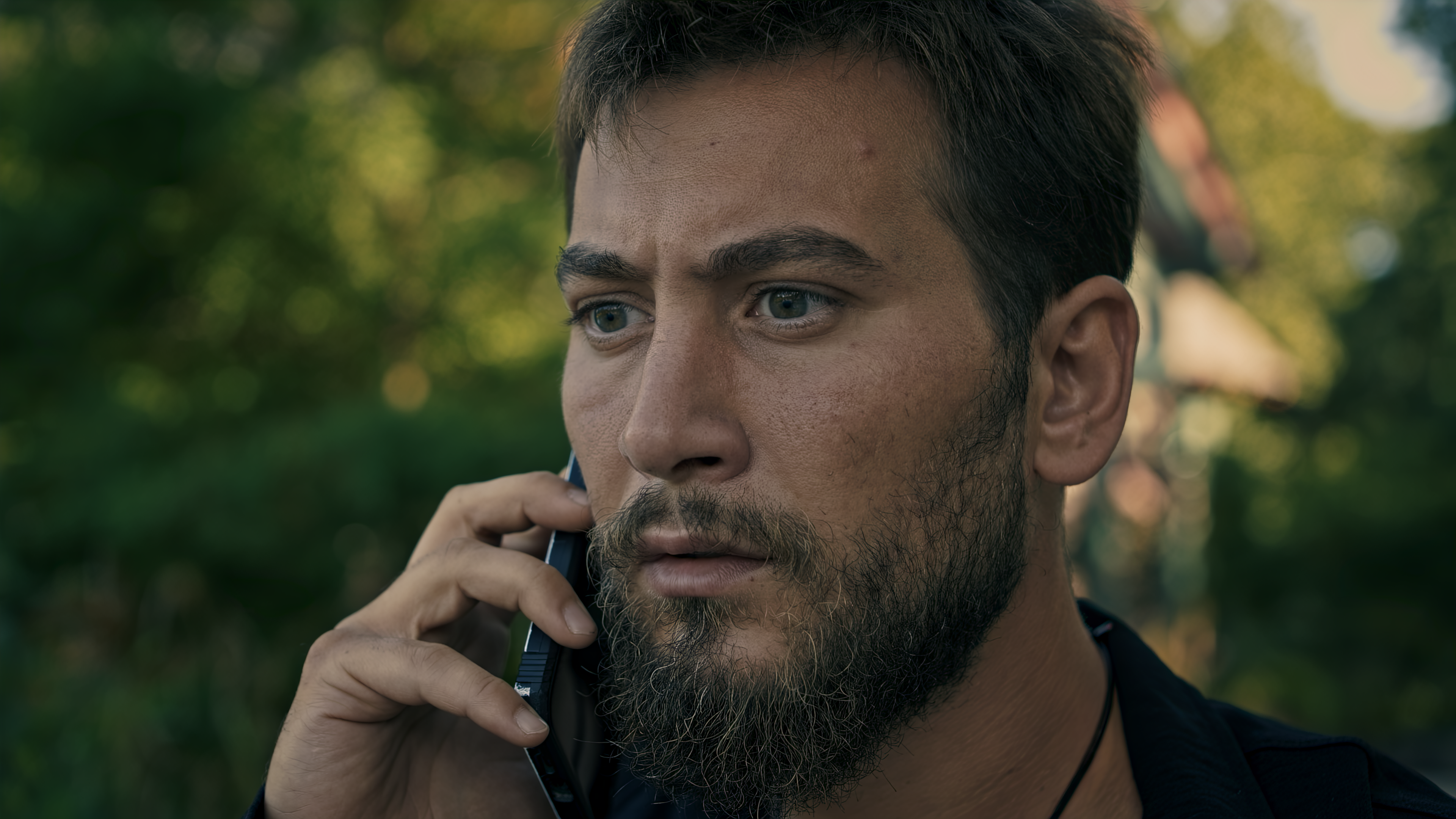
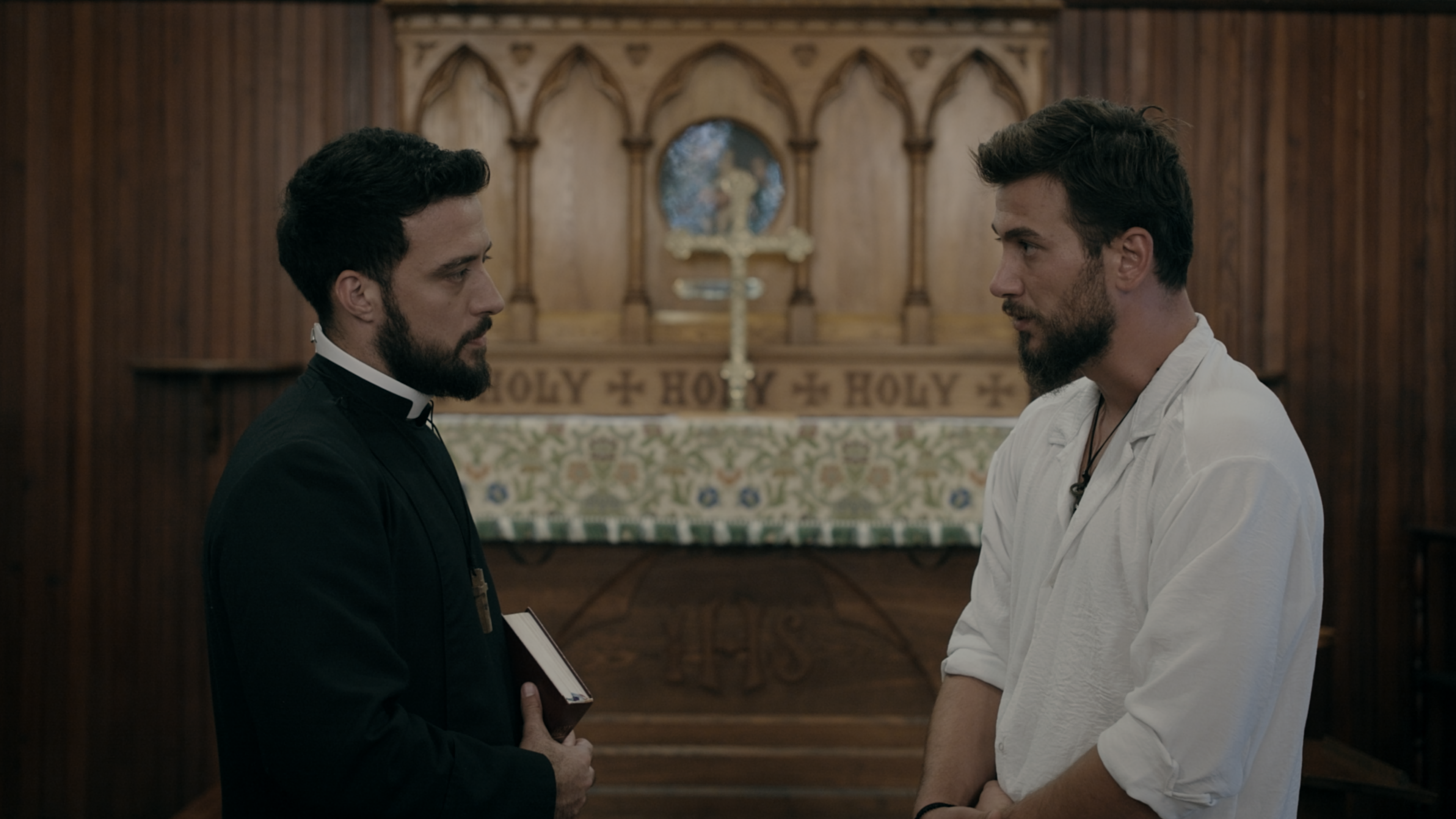
Combine this with Yunus Sevik’s equally astute and clearly growing direction skills and we are inexorably drawn into the edgy arena of what I term primal supernatural horror, one illustrating the sheer, unrelenting, chilling, unsettling actuality of demonic torment as seen from the foundational standpoint of Middle Eastern Islamic faith and folklore’s disturbing Kulyas jinn and their overtly potent hold over those who would dare to try and make a deal, much less break one, with them. The thematic bases that center around generational curses, paying for the sins of those past, having to face our OWN sins, having strayed from the path of faith, and the ways to try and END such tribulations is deeply effective and well-addressed in the film, as is the raw, bloody, violent, unforgiving, and utter wickedness of those who serve such malevolent forces and the manipulative nature of beings that have no other motive than to retain dominance over someone who’s entered agreement with them hoping to gain something that ultimately costs more than the recipient would ever actually want to pay.
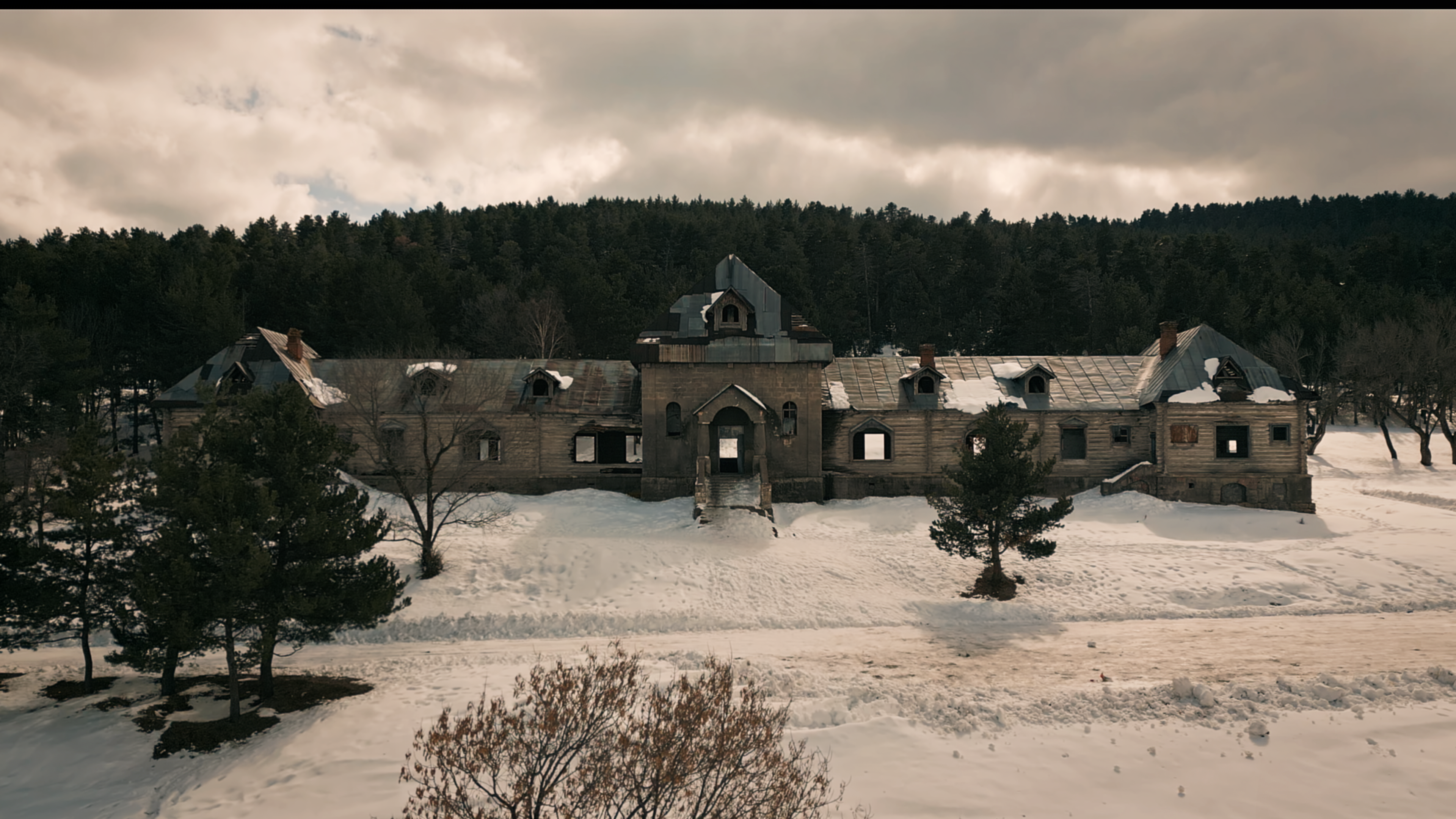
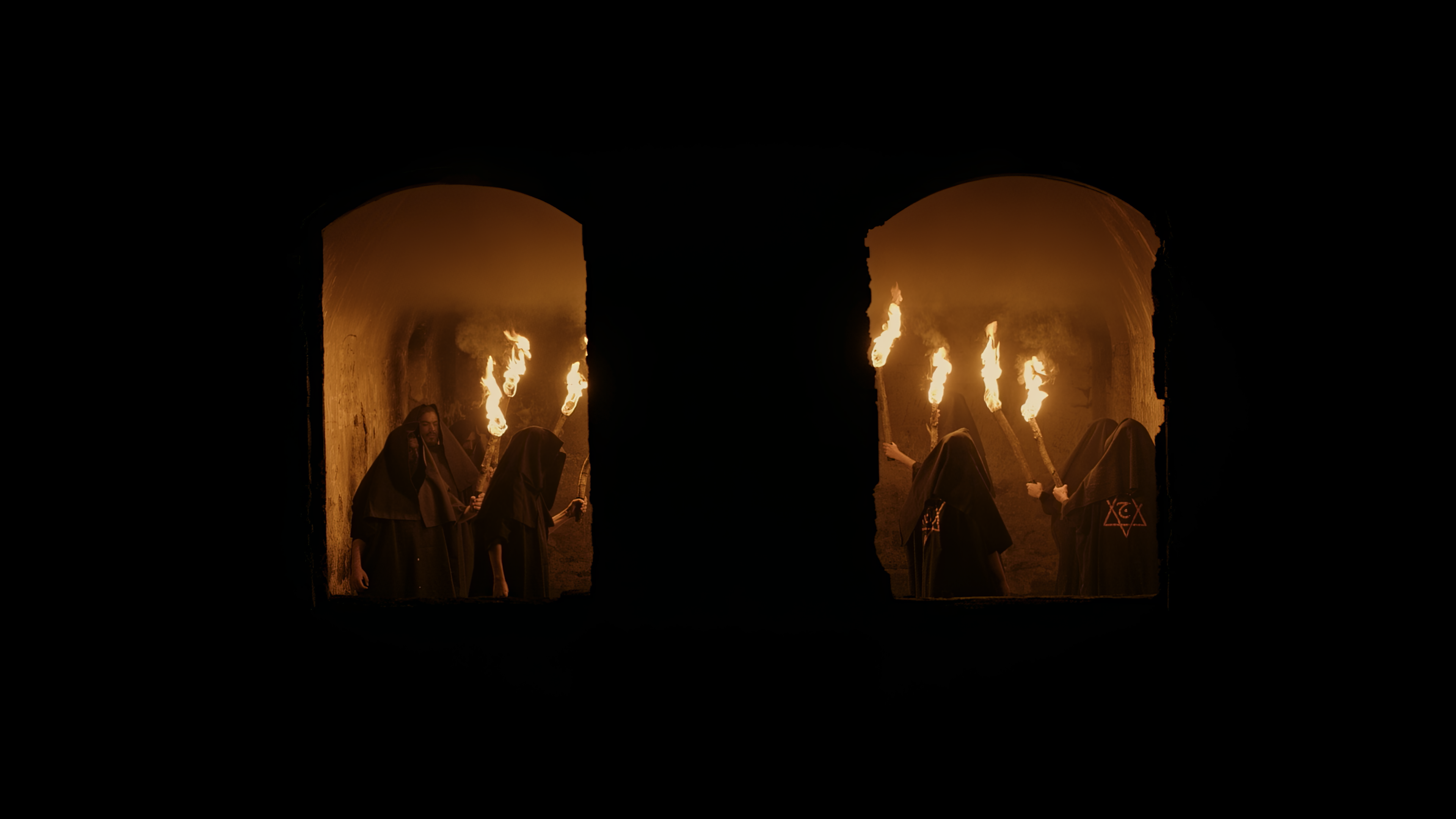
What I was honestly surprised at was the intermixing, and hence shared messages, of the seven deadly sins and the penalties of falling to them as told from BOTH Islamic and Christian perspectives, which do clearly spell out what perils arise in messing with spiritual forces and having forsaken the ways of verity for promised “rewards” being sought that only end in one’s potential eternal destruction. It shows respect for both religions without stepping on anyone’s figurative toes, which I could value. The symbolism of the hexagram is well-used here, becoming a harbinger and reminder to those caught in the Kulyas’ web that their presence is legion. Visually the film, with the much larger budget firmly in tow, smartly utilizes its locations to maximum impact, most often to create the eerie atmosphere consistently representing the presence of the Kulyas jinn through abandoned structures, shadow-filled hallways, dimly lit rooms, etc. But, there is likewise imagery that so keenly represents the (literal) seasonal as well as cultural ambiances found between sites in Istanbul, Kars, and New York, which only adds to this effort’s globe-encompassing tone.

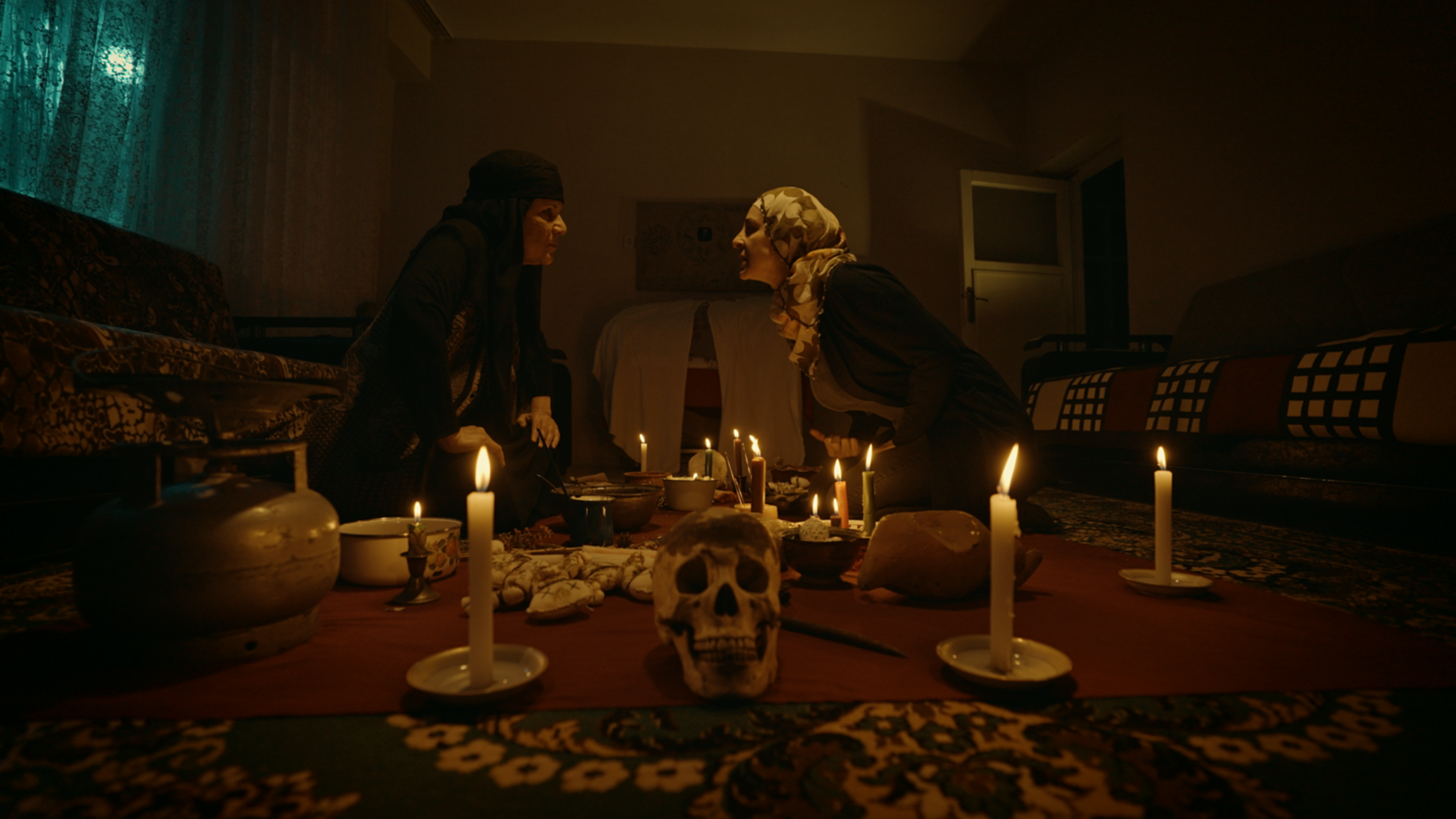
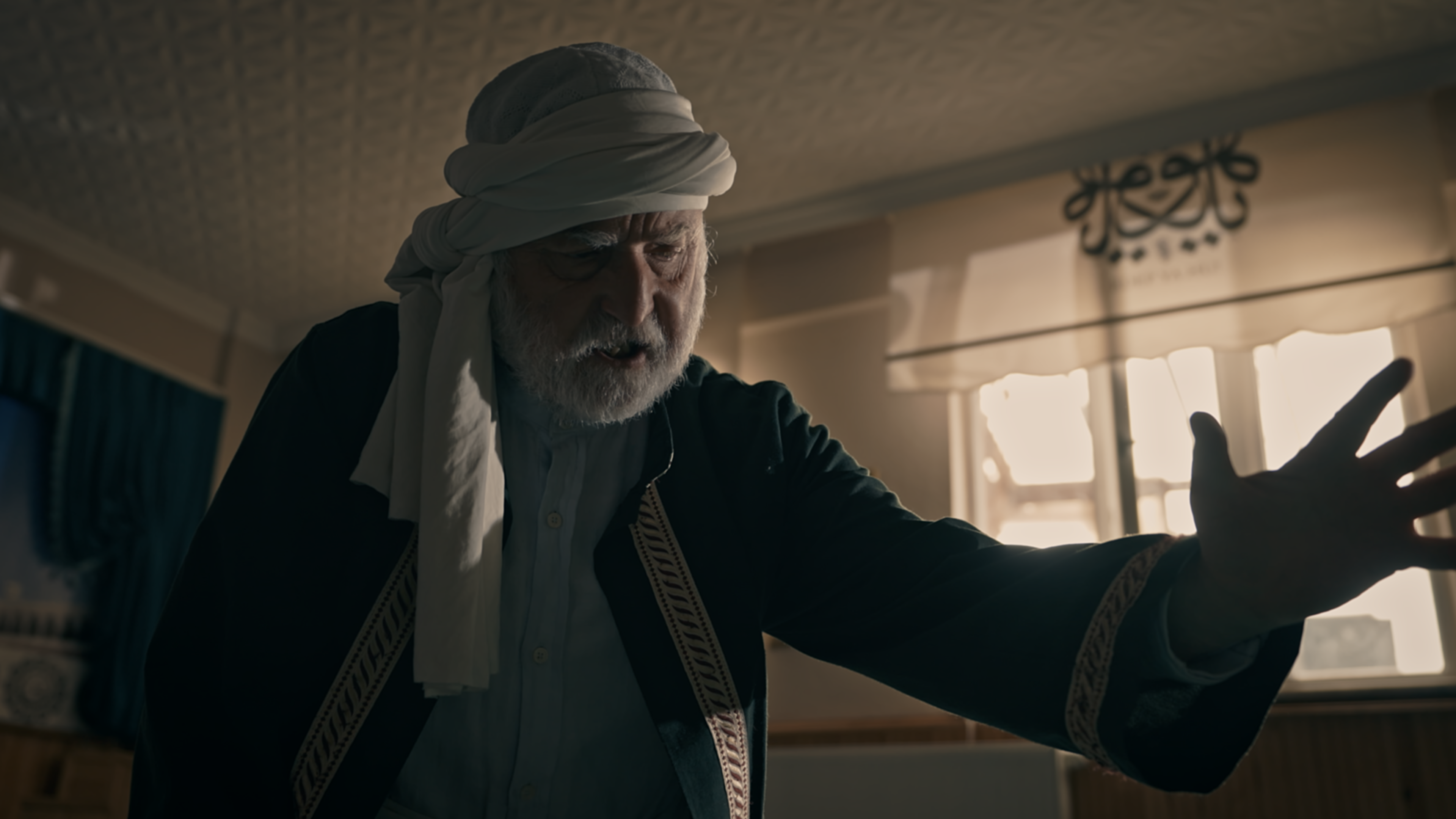
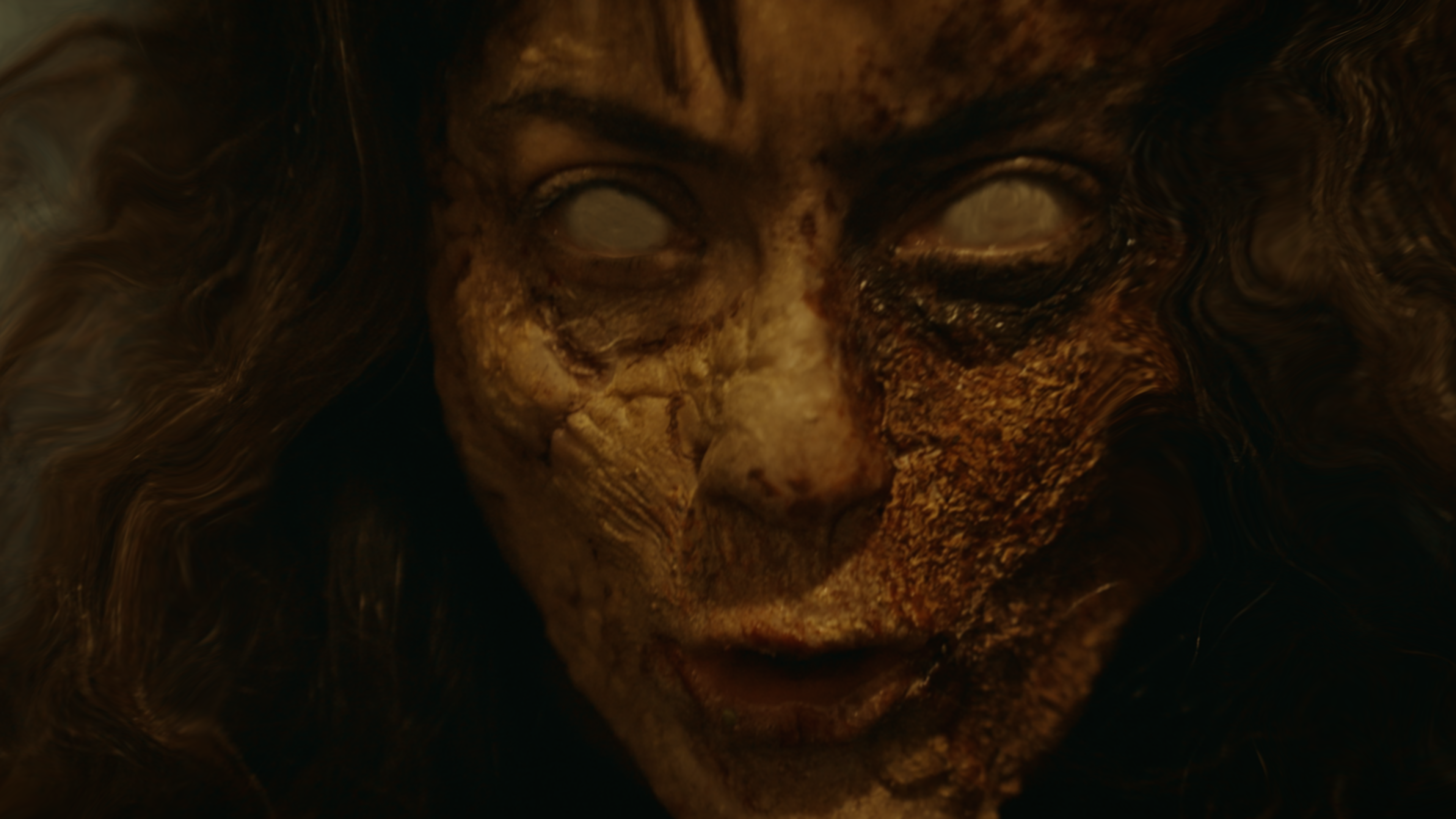
And then there are the Kulyas themselves, which as I had stated in my review of the series’ first installment, are made all the more alarmingly unnerving through the use of practical effects instead of the more common CGI-based visuals often employed. Here, their milky-eyes, “savaged” skin, grimly grimacing mouths, pitch black cloaks, and foreboding, growling voices look and sound even more believable than previously, and it sent shivers down my spine AND made my skin crawl almost each and every time they appeared. It’s about putting yourself IN that situation and trying to comprehend what it would be like to encounter such blatant evil. Additionally, the film’s unflinching depiction of human desperation, the ways we want everything WE want for ourselves without thinking about the consequences to others to obtain it, blood-soaked rituals, the bona fide POWER of REAL faith to combat the wrong in the world, but also the reality that even when seeming vanquished, that which is corrupt still exists, and the film’s decisively magnificent. The standard horror movie tropes all find their place with this project. But for this critic, it’s all still FRESH in what it offers.
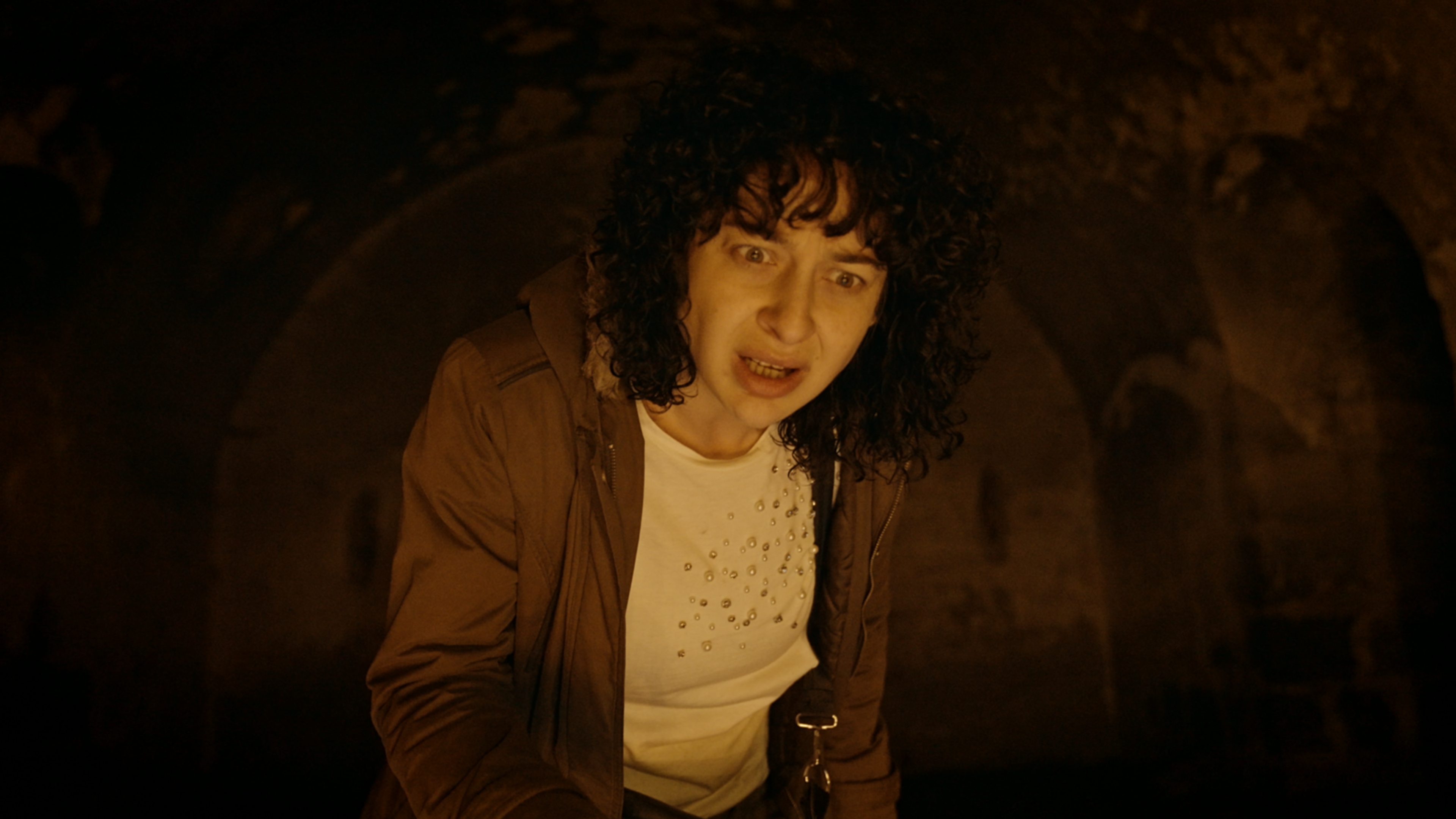
Basayvaz embodies, in the most credible, grounded ways, the anguish and misplaced (though understandable) desperation of a woman on the edge, and soon in total fear, through her role as Helen. Believing she wants her lover back by any means, she bargains with the wrong entities, creating a resurgence of Kulyas jinn via a curse that’s been dormant for years. Once her error in judgement is fully acknowledged, she ends up on a critical path to save not only herself, but all others whom the curse actually impacts. It’s a study in abject sorrow and trepidation, yes, but also could be a return to belief and living a better life as well, and Basayvaz navigates the character through this exceptionally emotional and harrowing storm with poise, plausibility and superb energy. Can Yavuz plays Yavuz, a dervish and strongly faith-filled man who becomes the central source of aid to Helen as she strives to end the curse. As Yavuz confronts the monstrous Kulyas alongside her, his own belief is tested heavily, and standing tall in the maelstrom of darkness he must endure is inspiring, so well-played by Yavuz, who brings controlled, fiery intensity to the role.

Muharrem Findicak is Mustafa Hoca, a highly respected Islamic leader whom Yavuz works with and who becomes yet another powerful source of impactful faith in helping Helen be freed from the curse that binds and threatens her and any of her bloodline. I also enjoyed Findicak’s performance, as it just exudes the aura of a veteran actor even if he’s only been in a small number of films. Cihan Yildiz is Halil, a man in NYC, USA who is beginning to have dark visions and sense of imminent danger himself, but doesn’t know why even as he wrestles with his own past and the turmoil within it. How he plays into the story is clever, and Yildiz does a great job enacting a picture of a man wanting answers and release. Fatih Uçar is Ilyas, the real “target” of Helen’s affections whom very involuntarily becomes swept up in the ripple effect of Helen’s poor decision to try and gain him back in the way she does. Gül Arslan appears as Helen’s aunt (hala) who is yet another person in her niece’s life that gets swallowed up in certain manipulations the Kulyas jinn are using to get to Helen and drive her mad.
Aynur Mutlucan plays the sorceress (büyücü) whom, at Helen’s behest, acts as the conduit for enacting the gruesome spells that end up releasing the Kulyas jinn and the curse. A wealth of key supporting roles arrive through Zuhal Deliağaoğlu, Diclee ikbal Karahan, Derin Izlem Karahan, Veysel Demir, Beste Idil Çağraşan, Hülya Cağraşan, Siddik Ozan Kaya, Ayşe Ekinci, Elifsu Yildirimlar, Hüseyin Can Altingünlü, Can Kat, Alkan Polat, Esma Sevik, Gizem Tan, Kaya Erdas, Halil Kumova, Charlie Akduman, and Gözüm Pul among others. One other element to note is Gokce Kuran‘s perfectly apropos music score that transports you not only into the realms of dread, but also into the richness of Middle Eastern ethnological spaces that serves the film so proficiently. So, in total, “Kulyas 2: Zikr-i Ayin” is strikingly haunting, undeniably disquieting, relentlessly formidable, and a sweeping credit to the style it exemplifies, very successfully transcending its forerunner in all the right ways, thanks to an evident, well-earned, well-deserved, and pronounced evolution in content, quality, and supernatural horror genre appeal.
STAR RATING (out of 5):

As always, this is all for your consideration and comment. Until next time, thank you for reading!