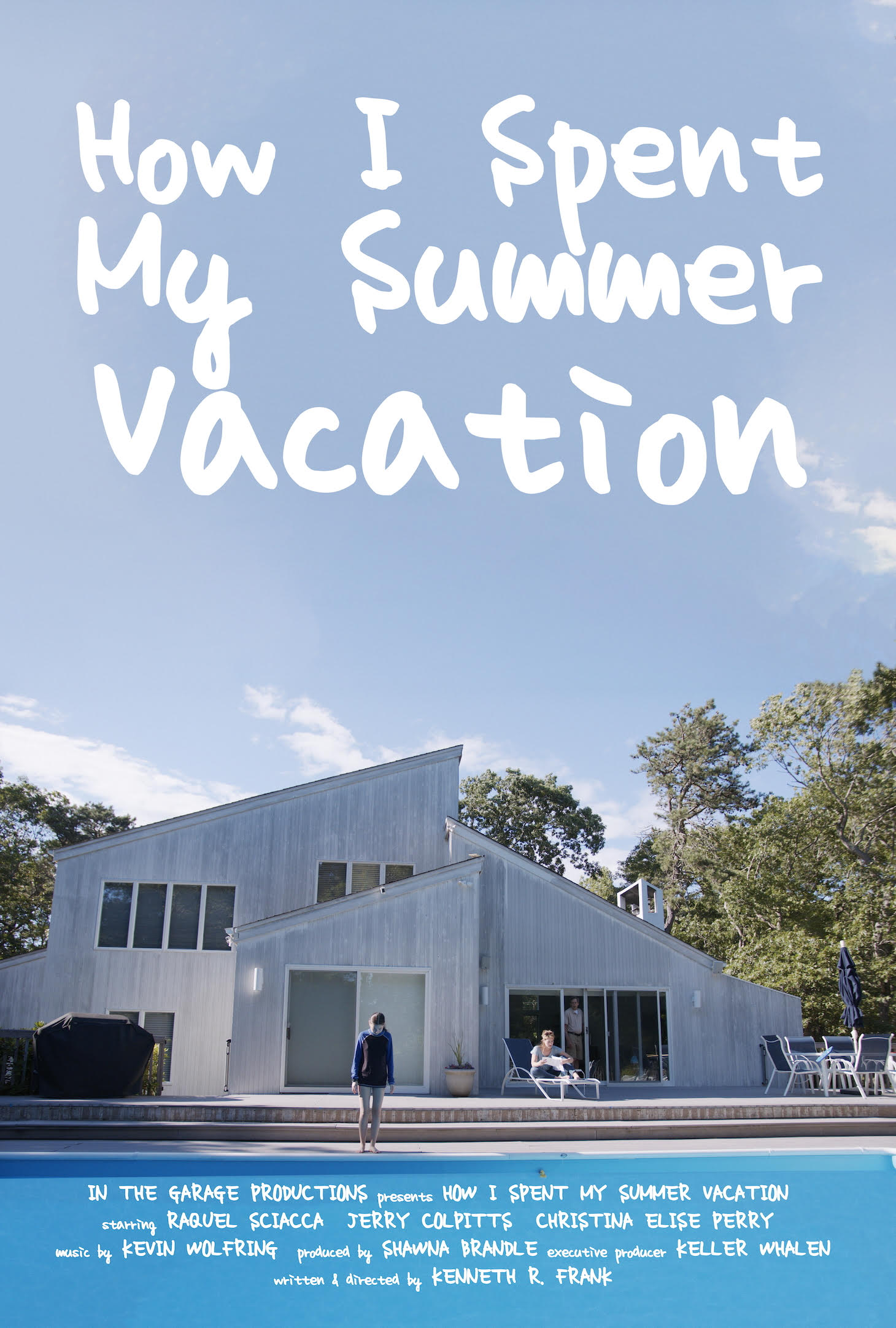
Indie Film Review “How I Spent My Summer Vacation” Routines, ruminations, and the realities of life from a youthful point of view

WATCH THE TRAILER BELOW:
First, the Recap:
Taking stock of one’s eventual venture into oblivion. Not to be alarmist or morbid here, but it does seem to be a veritable fact that at multiple points in our time on this planet, we contemplate passing away. It’s not pleasant, it’s honestly scary in many respects, and it doesn’t usually tend to put your mindset in a GOOD overall place. While there may be the inevitability of this time to come, wouldn’t you believe thirteen might be JUST a little too YOUNG to ponder it??
For such a thirteen year old named Grace (Raquel Sciacca), her still blossoming life is filled with borderline obsessive routines, equally pervasive concerns about her health….and a certain focus on what it is to face mortality. While her doting father Tom (Chris Mollica) and cynical but loving mother Clara (Christina Elise Perry) try to do the best they can to keep her more grounded, it is an unanticipated Summer stay with her ailing grandfather Richie (Jerry Colpitts) that brings about a revelatory, cathartic, and ideally healing series of lessons on LIFE.
Next, my Mind:
This critic feels that, when we consider the idea of “summer”-themed films, we’re going to immediately head towards things in the vein of “National Lampoon’s Vacation”, “The Sandlot”, “The Goonies”, or “Endless Summer” amongst many others. Crazy adventures, chaos reigning, kids running wild, all of that. So, what happens when instead of that general fashion of seasonal romp, the Summer instead gets an existential overhaul as seen through the eyes of a just-turned-teen girl who fixates on….the end of her being?? It’s this direction that we are entreated to thanks to the 82-minute indie feature film from writer/director/cinematographer/editor Kenneth R. Frank, producer Shawna Brandle, and executive producer Keller Whalen. So guess what? Yes, you know what’s coming next. IT WORKS! It works REALLY well, doing complete justice to independent cinema’s means to intermix humor, fun, AND character-driven, dramatic, impactful DEPTH to its themes and intent while keeping us as the viewer watching intently.
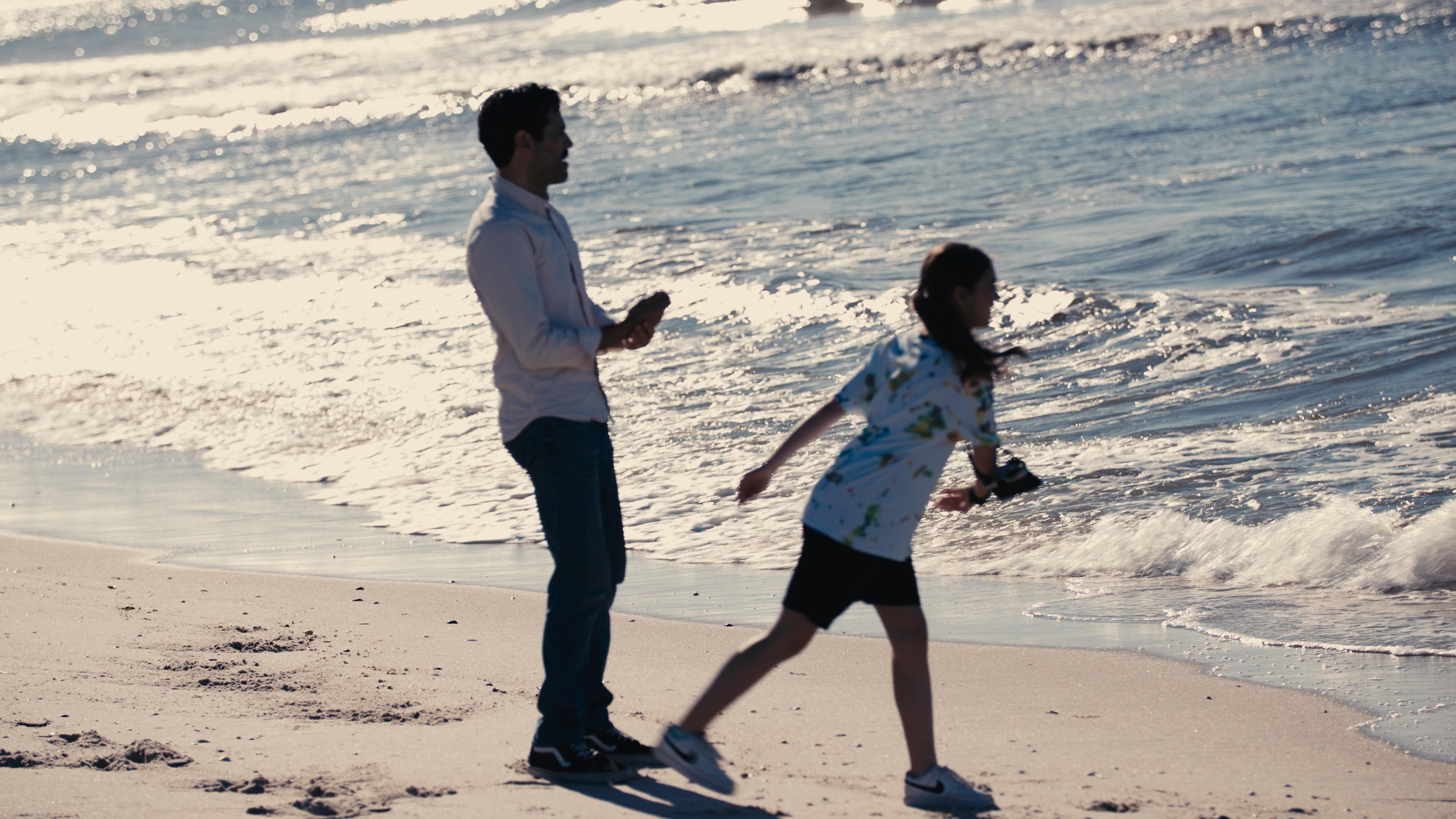
Now, while this effort does possess a little bit of a grander slow burn approach to its narrative, centered on a young girl and her Summer interrupted when a planned trip turns into an excursion to her ailing grandfather’s place and the lessons subsequently learned from it, the pacing does serve the purpose appropriately. Allowing for the aforementioned blend of comedic elements and more serious drama, it’s the kind of “slice of life” film that affords solid entertainment while adeptly presenting grounded, legitimate explorations of necessary topics, including confronting personal fears and the actuality of death. As also indicated above, what I believe makes this film stand out, given its foundational gists, IS that it’s being traversed BY such a youthful, female presence rather than an adult or male angle. There’s that innocence of thought and perspective, an utterly affecting portrait of someone struggling to conquer their inner and outer points of contention, much less be in a place where they even begin to understand it all. The finale provided is one to cherish in its simplicity and weight of message it carries.
Yet, it is the LACK of understanding everything she’s going through that makes Grace’s peregrination across the divides of her own, often self-made/self-induced states of questioning, uncertainty, and trepidations all the more realistic and filled with the kind of apprehension we ourselves might recall from childhood, even if not necessarily to the degrees represented here. The utilization of subtle and overt wittiness to emphasize these points is an intelligent track taken, lightening the mood for what COULD have been a darker narrative tone. Thematically, the film addresses how we let fear paralyze us, familial connections, conventions, and trials, our tendency to overthink things, being able to accept we CAN change our minds about how we see and manage our troubles then aim to grow out of them, thinking about how or IF we will be remembered, life’s unpredictability, taking care of what’s important, acknowledging the unanticipated curve balls life hurls our way, pressing ahead in spite of it even when we aren’t always prepared or even comprehend any of it, and really confronting death. ALL of this comes into play, and highly, deeply, smartly so.
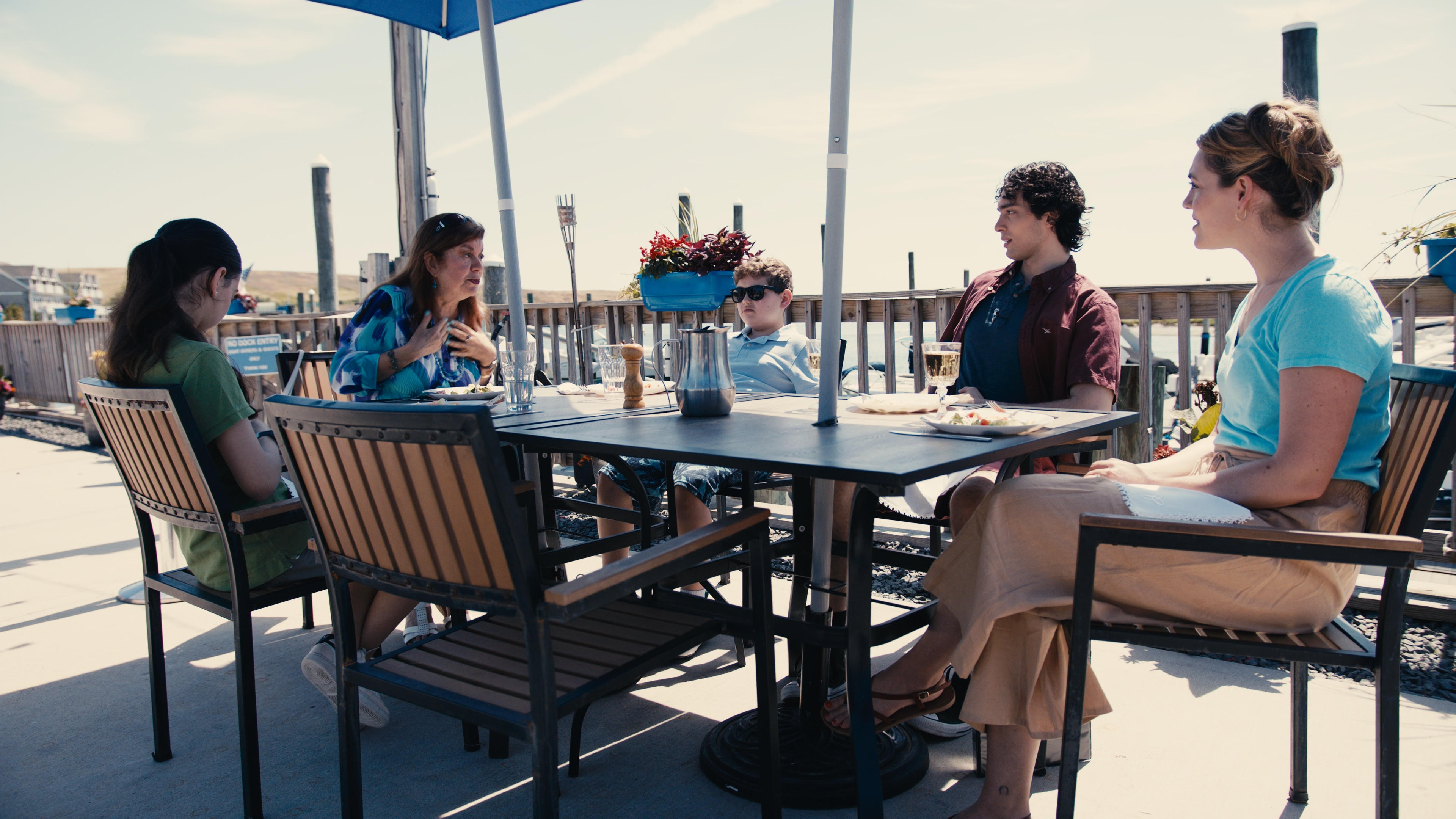
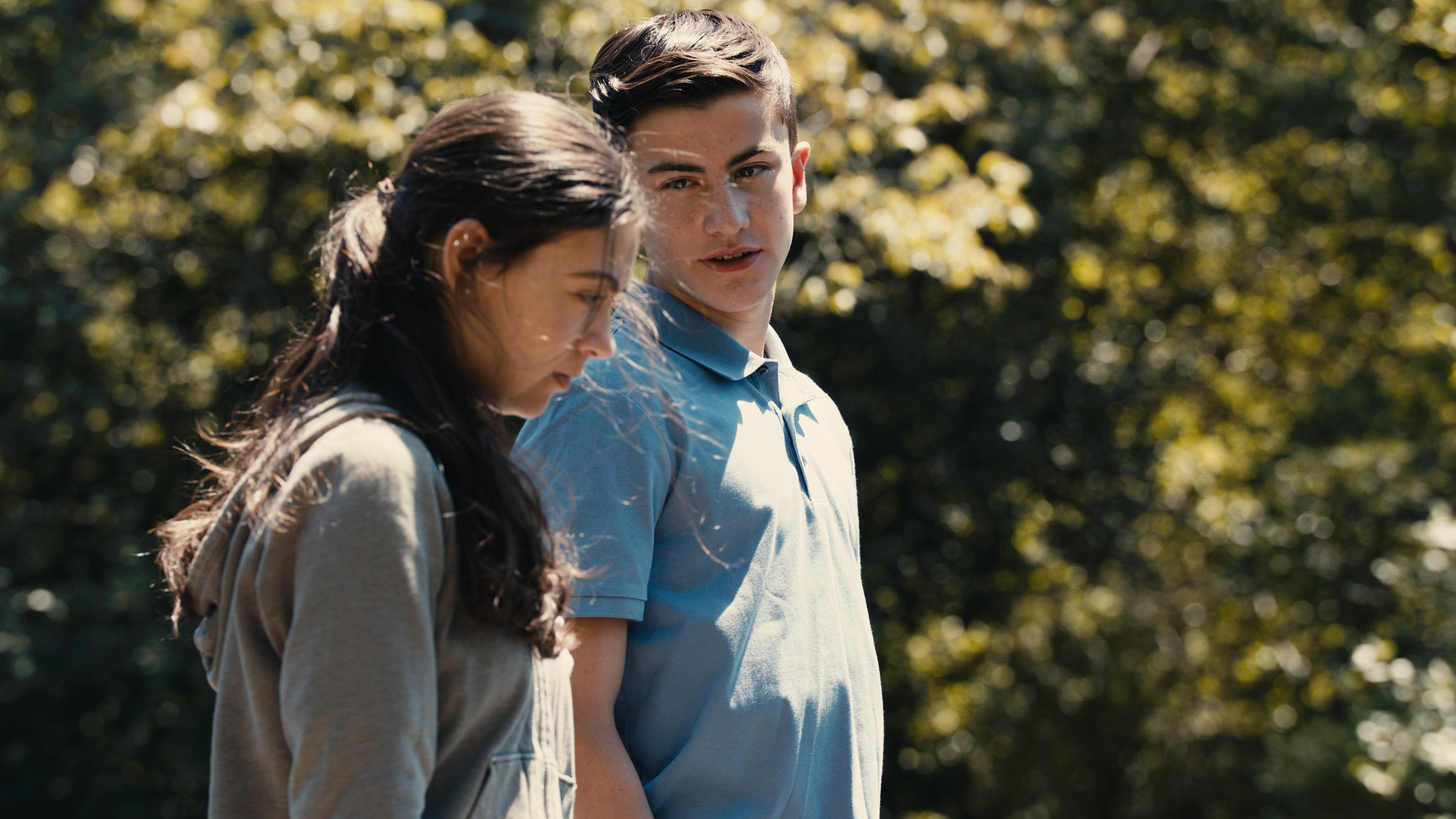
Raquel Sciacca continues an ongoing trend, for this critic, in representing the wealth of young acting talent that is out there in the world right now, which is on wonderfully uncomplicated, totally credible, and charmingly touching display through the actress’ role as Grace, a girl striving to find the real meanings behind her own impermanence even as she is just trying to navigate BEING a kid. Candidly mature behind her years, Grace’s obsessive, perhaps teetering on hypochondria-level, behavior and need-to-know-everything mentality begins to take its toll even as her Summer plans are altered. However, the trip to her grandfather’s home becomes a further dive into all she has the anxieties about and just HOW much it has taken over her every decision in many ways, and through the interactions she encounters with family and a newfound local friend, the awakening that arrives ensures a MUCH required release and liberation from all that’s she stewed over for far too long. I appreciated Sciacca’s authenticity and very mild-manned yet intense approach to the character, which elicits sympathy towards Grace and the desire to see her set free.
Primary supporting turns come first from Perry as Grace’s somewhat stressed out but still adoring mother Clara, who tries to guide her daughter through the ups and downs she’s battling with patience and poise, even when at times both of those things might be getting just a little frayed thanks to her own father’s stubborness. Mollica is Tom, Grace’s very calm, collected, supportive father who longs for a trip the two are to take while he likewise makes efforts to assuage the feelings of panic or disquiet Grace feels about events unfolding, currently unconquered or still yet to come. Colpitts is Grace’s grandfather Richie, a former pro baseball player who does HIS rather hilariously lazy best to be there for Grace and provide advice even as he doesn’t really have control over, or remotely care about, his own affairs and declining health. Paolo Kossi plays Uncle Richie, Grandpa Richie’s son and perhaps both a foil and a boon to Grace, really to everyone, staying at the house for the Summer, seeing as he himself may be fighting his own not always so decent proclivities, though not TOO darkly so for the sake of the film’s mostly comedic atmosphere.
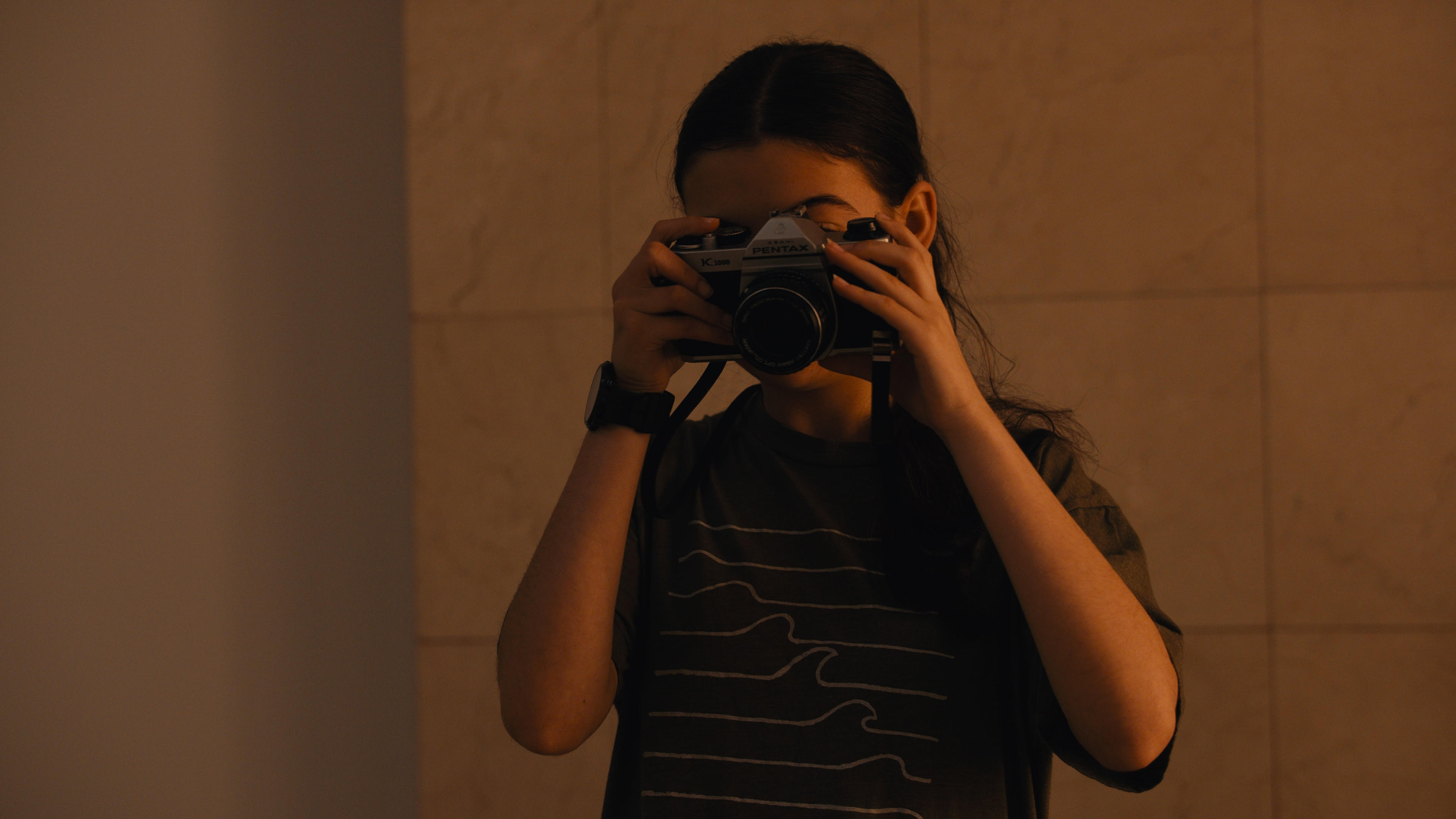
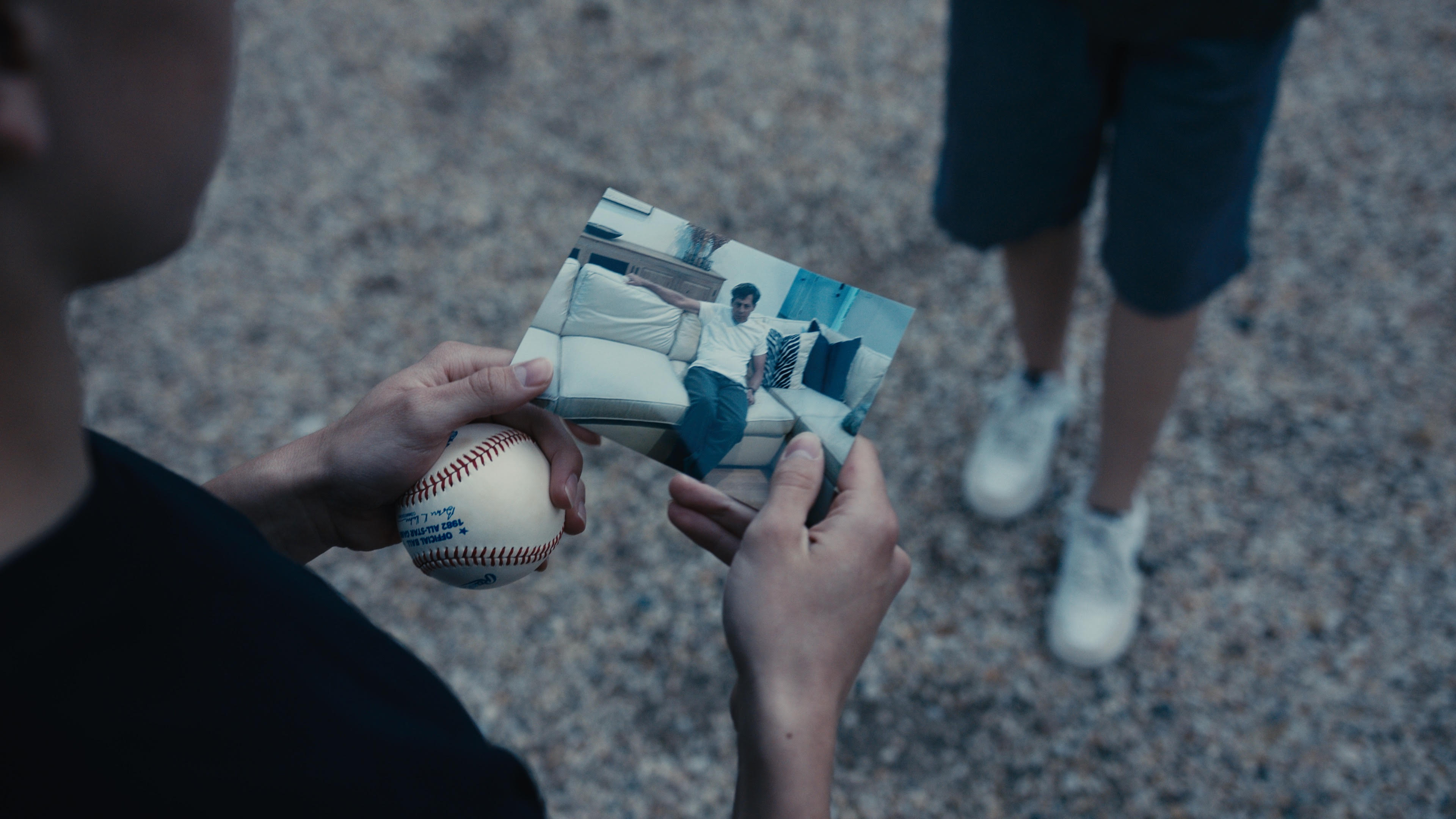
Lydia Gladstone is Victoria, Grace’s grandmother, also Grandpa Richie’s ex, who still care greatly for the family and Richie’s well-being even though he drives her nuts with his apathetic take on his state of life at the time. Dawson Sciacca is Richie (yes, a third one!), Grace’s younger brother who really thrives on hardly saying anything at all while having the tendency to stick is nose and fingers into things, even when not asked to do so. Ryan Umbarila plays Mateo, a local boy whose arrival at Grandpa Richie’s house seeking some kind of memorabelia for a time capsule ends up fostering a friendship, and infatuation, with the visiting Grace in a manner that could help her out more than she initially realizes. Didrianna Foreman is Jasmine, a gal pal of Uncle Richie who also may or may not QUITE be a great influence on Grace, yet manages to do so anyway regardless of her whimsically “shaky” relationship with UR. What makes ALL of these characters ebb and flow together is cast chemistry, which everyone displays wholeheartedly and with excellent energy throughout the film. As I’ve said plenty of times, ensemble casts are the best when they gel.
Additional appearances are made by Jason Enser, Eleanor Brandle-Frank, Penny Brandle-Frank, Bryan J Mangam, Don McManus, Aurora O’Hara, Sean M. Peterson, Diana Simulcik, and Henry van Amerongen. So, in total, “How I Spent My Summer Vacation” is a beautiful little dramedy that finds its wings by expressing, exposing, and seeking resolution to the myriad of doubts, unease, and desire for answers we find ourselves traveling through, contending with, and wishing to reconcile. Furthermore, it illustrates how we need to be willing to NOT always get those answers, but rather just choose to move onwards, be happy with ourselves and those we love and trust most, and simply focus on, as Grace herself says, “proof of LIFE” rather than on what we cannot, and most likely SHOULD not, have control over.
STAR RATING (out of 5):

As always, this is all for your consideration and comment. Until next time, thank you for reading!