
CPIFF 2025 Short Film Review “Come Out, Wherever You Are” Stealing away from our mistakes and social media’s influence get a conjecture-filled exploration

WATCH THE TRAILER BELOW:
First, the Recap:
To disentangle from the world at large. Doesn’t that sound amazing in so many respects? When the chaos within either our own lives or the greater reality we find ourselves buried by, do we not wish to just abscond from it all? Disappear? Disassociate? Ideally, this would be to find peace inwardly and outwardly, at least for a time, so that we might gather our thoughts, consider what steps we take next, and then come back refreshed. However, what would then happen if, upon our return, everything we had known suddenly…..wasn’t?
In a small town called Livingston, Montana, former (and disgraced) politician Verne (Blake de Pastino) desires to do precisely what is needed when news of his past transgressions surface in the news, spreading like wildfire thanks to social media….ESCAPE. Gathering what he needs and heading to a remote cabin in the woodlands outside of town to seek the solace required, Verne has his time of reflection. But, when returning to town, things are NOT all well, and only a young woman named Marion (Marilyn Bass) seems to have answers that they’re BOTH soon wrestling with.
Next, my Mind:
Retreating from our mistakes, confronting our true feelings about them, wishing to be free of it all, and the actualities of a culture being so globally interconnected that said flight from the public eye seems impossible are all elements that make up the core of this 29-minute short film from director/executive producer Caitlin Presberg, writer/producer Dan Burns, along with executive producers Lorraine Diaz, Judy Nygard, Eric Nygard, and Susan Presberg. With the utilization of revealing only hinted-at factors paired with a relatively high amount of enigmatic yet engaging conjecture, the drama/scifi film is certainly the definition of what indie cinema is so adept at, relying on character and story while still managing to find the means to make the approach to a given subject fresh and interesting. Honestly, I felt this effort came across more as of a proof of concept piece in many respects, and perhaps that was intentional or a harbinger of future things to come?
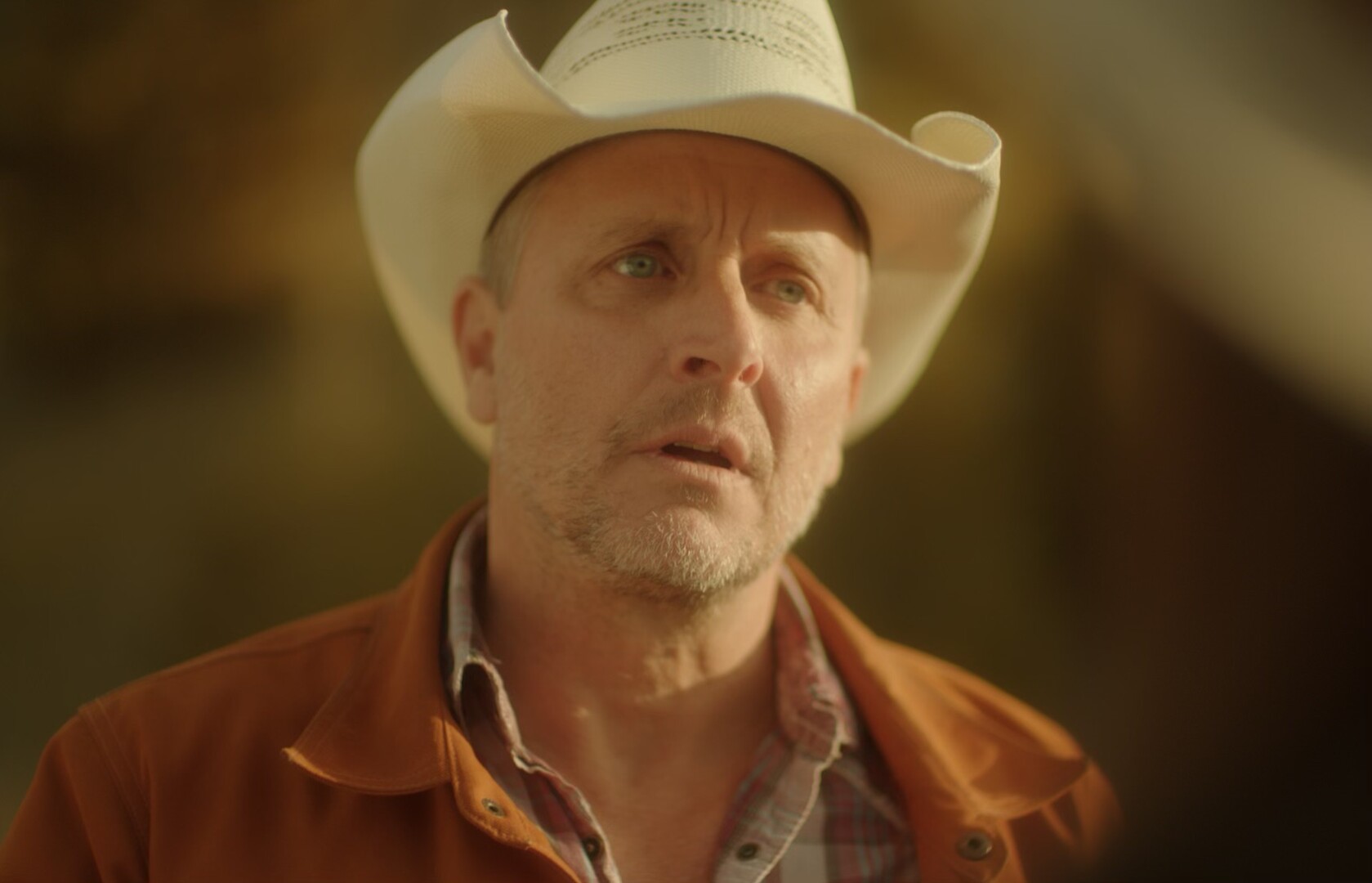
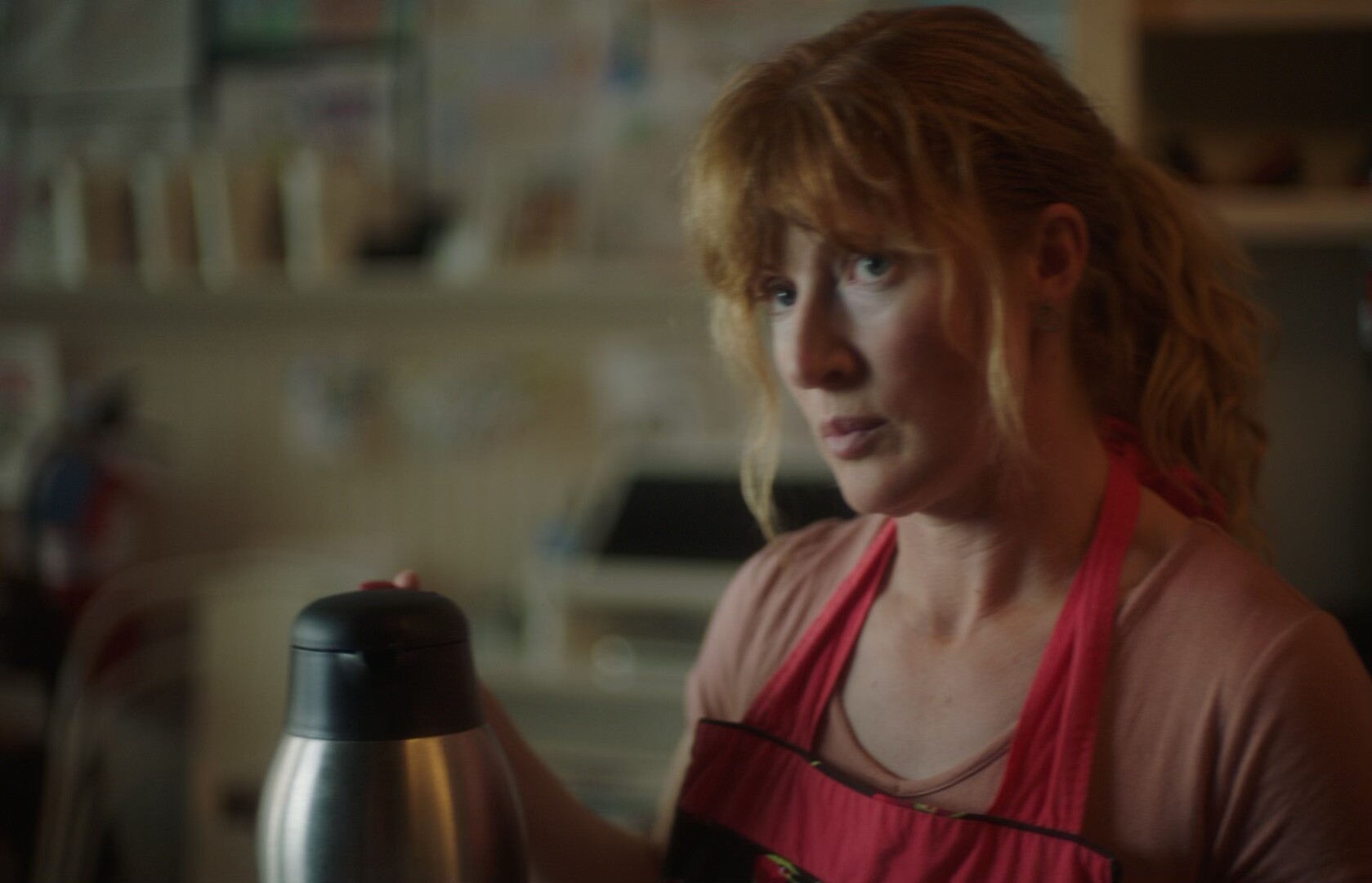
Told primarily from the perspective of one man’s attempts to outrun the suddenly revisited, yet not completely (if at all, really) disclosed, sins of his past as a politician serving one of Chicago’s suburbs and his now subsequent actions to try and get out of public scrutiny in the small Montana town in which he now resides, there’s an initial, necessary, palpable air of tension built up during the film’s first scenes that act as catalysts for everything that follows. The tone takes a slight break once events move to the point where our lead character is doing what he can to decompress and truly process whatever it is that he’s done, lost, and had to leave behind, all while simply wanting a peaceful, albeit isolated life. And it is THIS particular facet of the film where the aforementioned conjecture starts to come into play, as paying attention to little details, whether visually or spoken, becomes imperative to delve into the underlying layers of the narrative.
As we are all more than familiar with, the world is now digitally united (of course for both good AND ill) thanks to cell phones, laptops, and all other devices that permit us to KNOW what is happening virtually everywhere, at any time, and it FEELS like, with anyone. This applicability to those IN the public eye…ie: celebrities, politicians, et al…when things go WRONG for them makes this reality of exposure even more evident and pronounced, and it is this central fact that also ends up forming a major part of this film’s gist. But again, the magic of it is that it ISN’T blatantly conspicuous, requiring that we as the viewer truly stay tuned in to what we are watching and therefore putting pieces together AS we go. While this may be what we do with any film, I felt it is more significant to be doing so here, as even when we become aware of what SEEMS to have occurred, there’s more to it than JUST the surface.
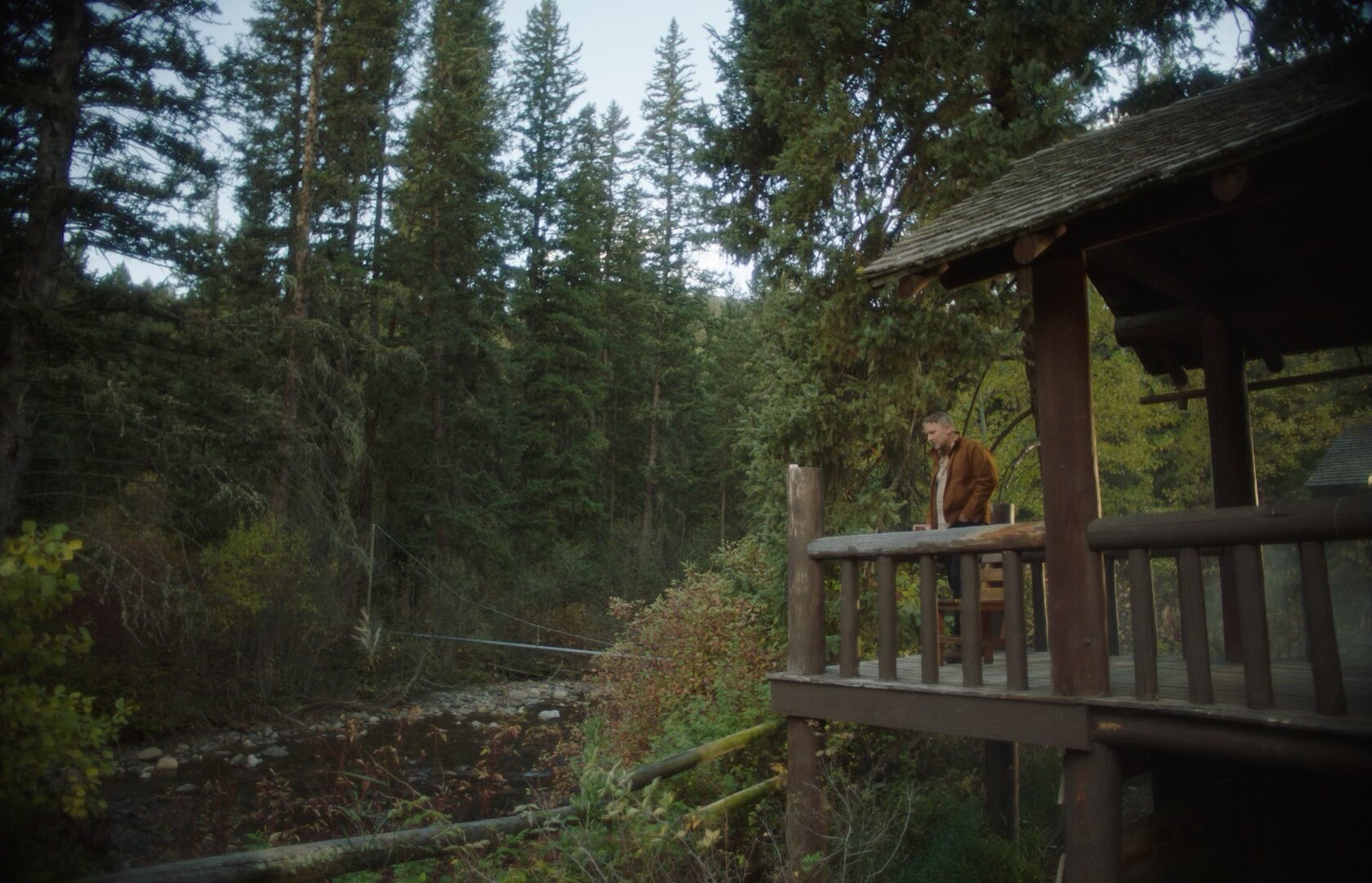
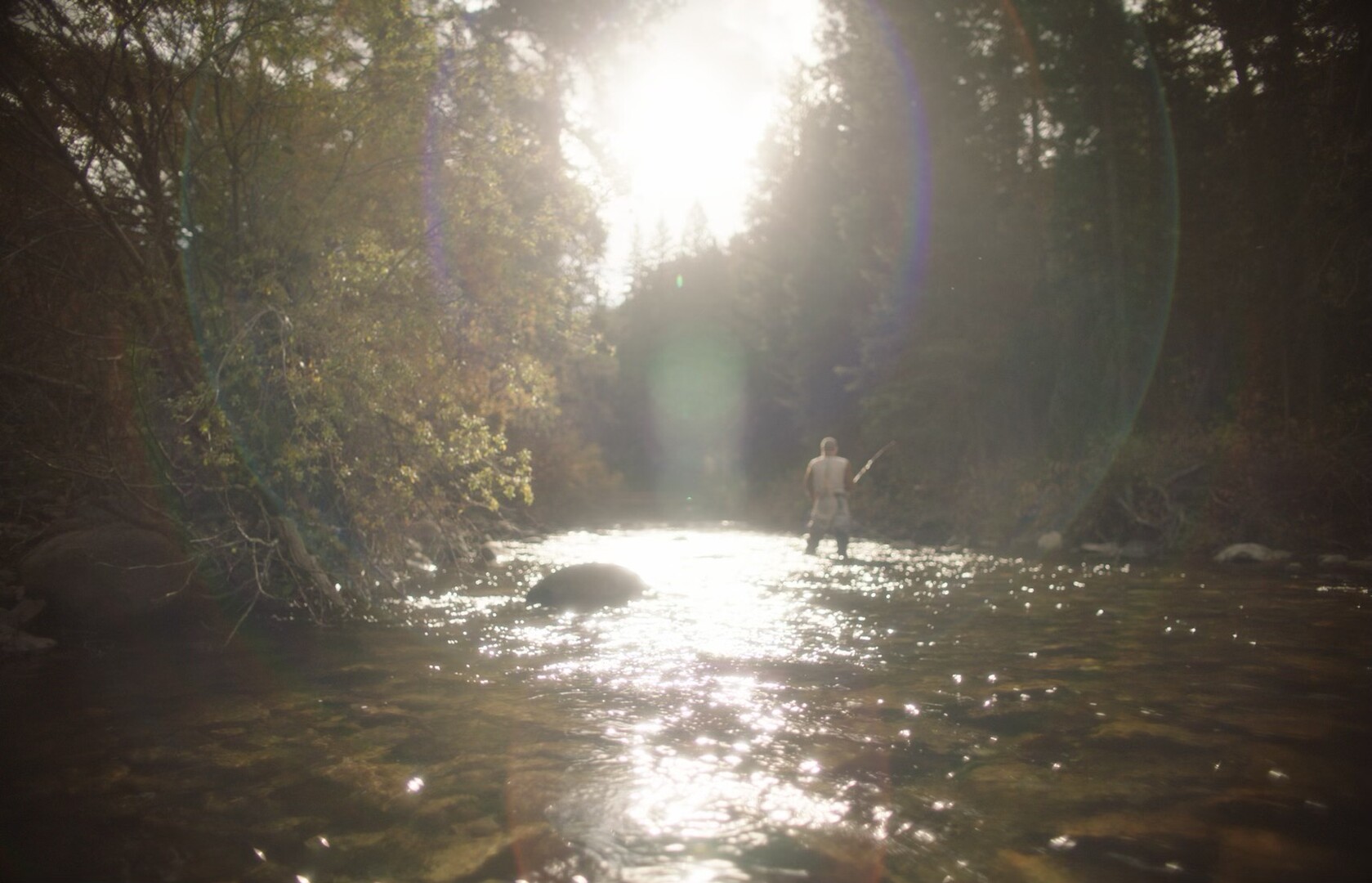
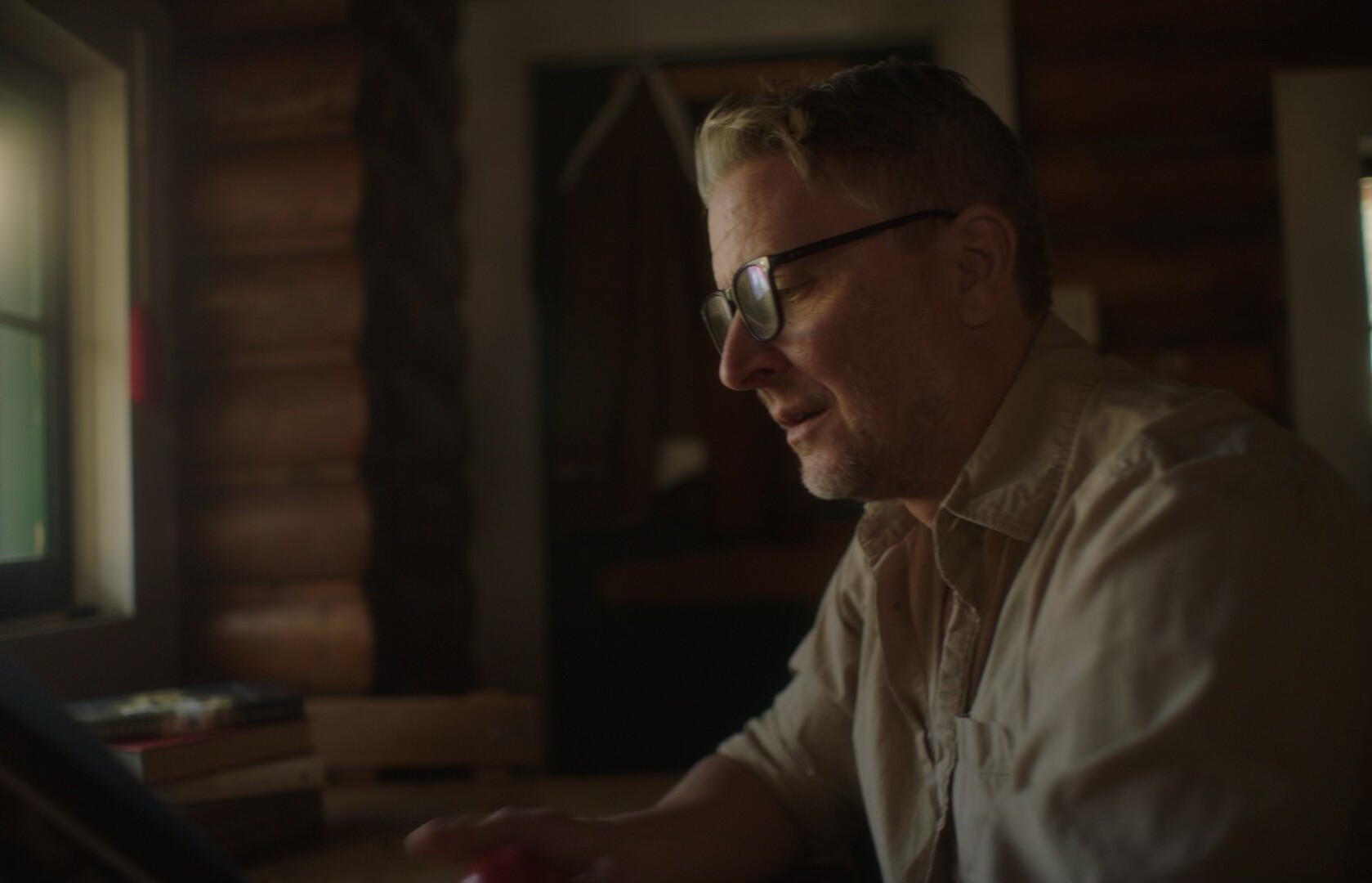
Hence the very notion of how Verne is trying to get away from his indiscretions takes on whole new meaning when the events ,which we never actually see happen directly (though, again, there IS at least a HINT at something being amiss in a certain form), could be construed as both a blessing and a curse for him. By the finale, we are left with at least a small degree of newly acquired comprehension of what has become of the world, yet still not fully enough to be TOTALLY satisfied, and that is also what this critic feels was a beautiful stroke and intelligent writing, given we almost always WANT definitive closure, but here aren’t granted it. It’s a nice touch, intelligently written, and lends the concept of a feature film or at least another short film follow up potentially, should that be something Presberg & Co. wish or desire to provide. Regardless, it’s the statement about our technologically reliant lives that cleverly takes center stage in multiple ways.
Blake de Pastino lends that “everyman” aura which absolutely befits the character he portrays here through the role of Verne, a former Chicago-based politician who had an apparent fall from the top that we believe lost him more than just his career. Now residing in a small, out of the way Montana town, his solace gets unceremoniously interrupted when news of his errant decisions has resurfaced, made worse by the fact social media’s reach is so wide and effectively unavoidable. Looking to once more flee from the unnerving nature of this unwanted attention, Verne gathers things and heads out to his remote cabin to compose himself and face his demons. But, once this venture has run its course, his return to the town ends up being anything but normal, with only one interaction with another human being that provides any sense of what happened while he was away.
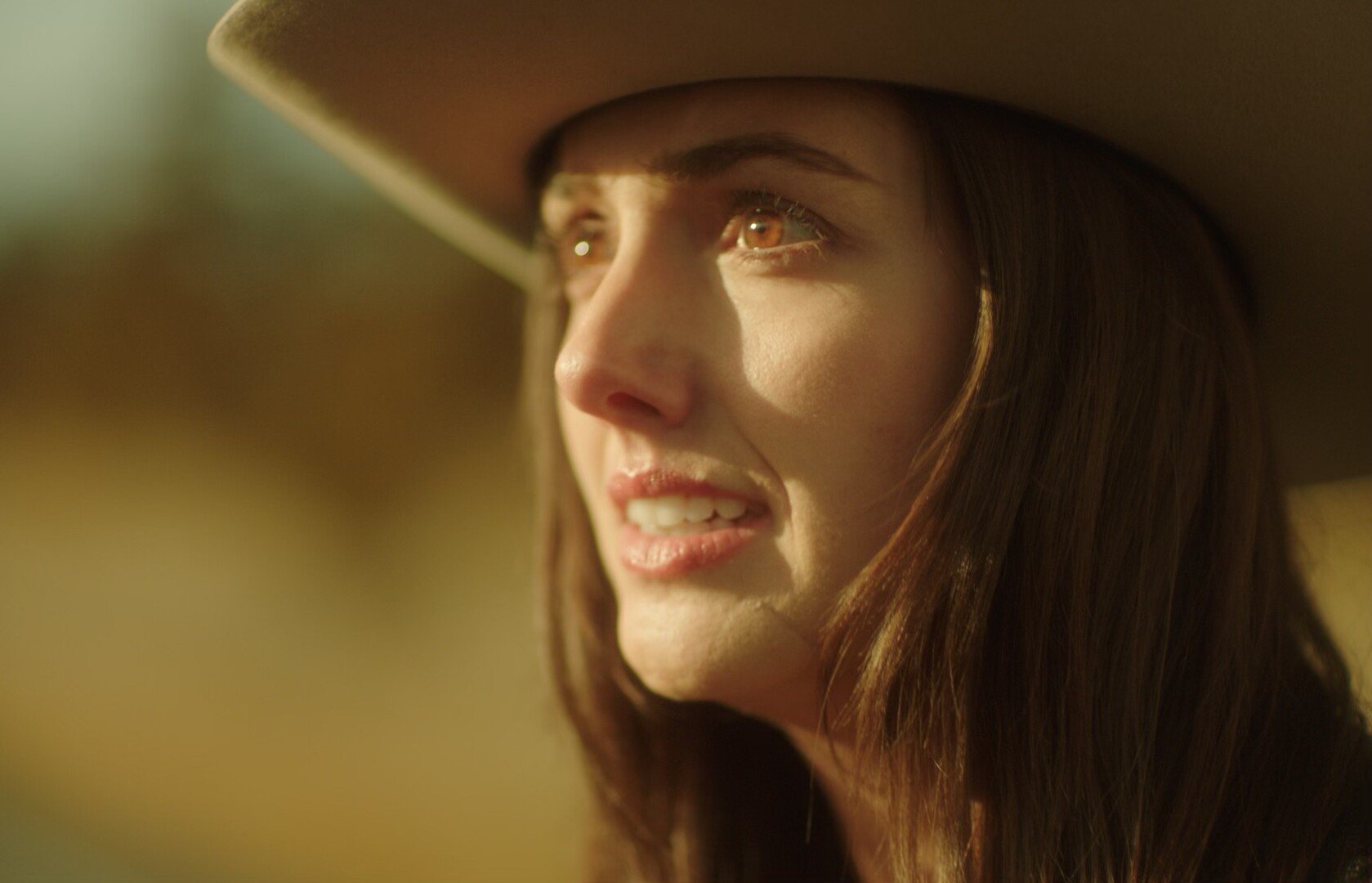
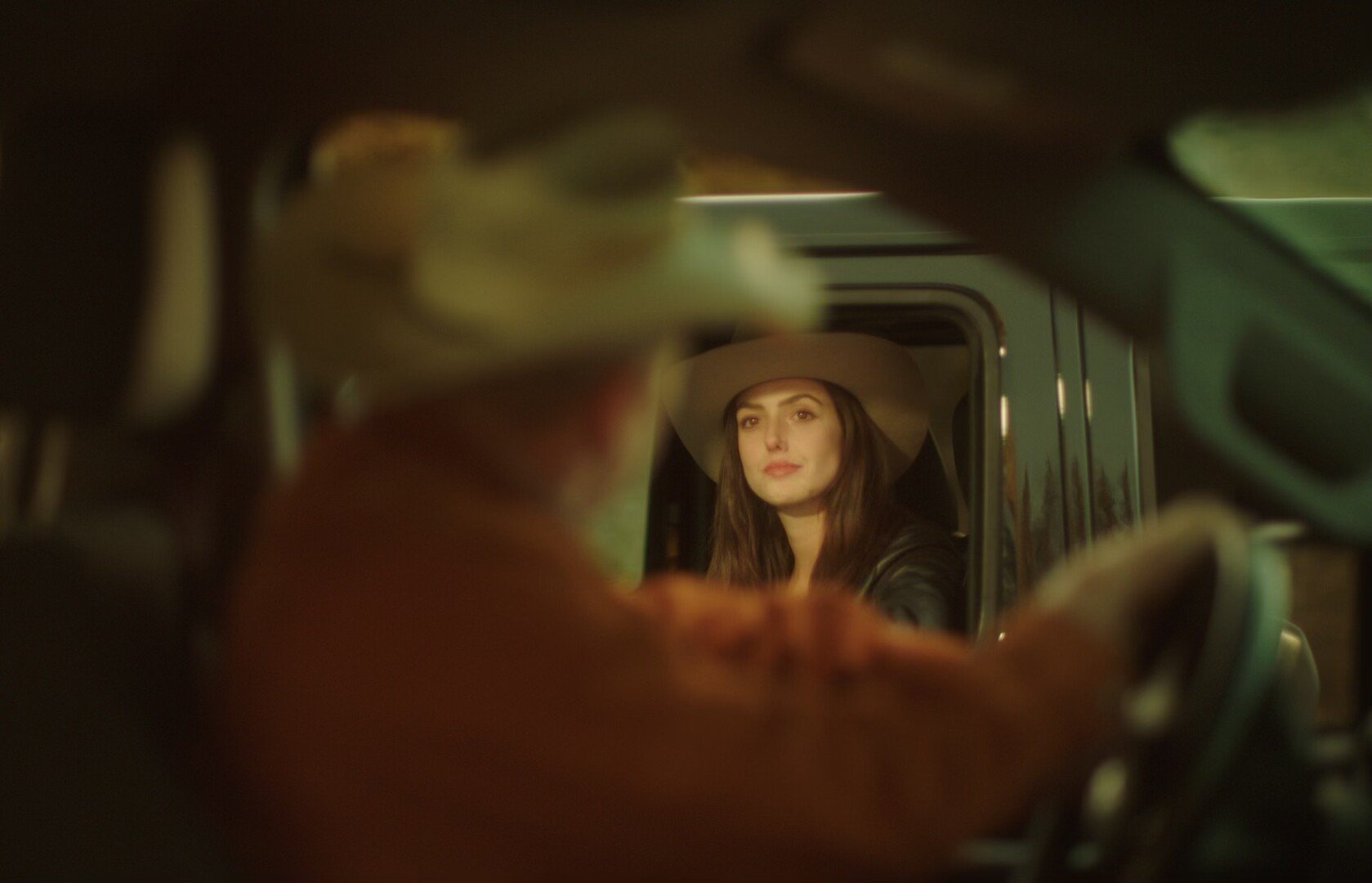
Given his circumstances, will this revelation actually be what he will highly benefit from? Or will it also be the start of a new type of victimization for him to confront? It’s a nicely delivered performance that de Pastino gives, down-to-earth, relatable, and making the character one we might both root for AND against, depending on how things turn out. Primary supporting roles come first from Bass as Marion, a young woman Verne runs into on the road going out of the now-vacant town who has her own tale to tell of what precisely has unfolded since Verne has had no means to be aware of the outside world while at his cabin. The air of mistrust is evident for Bass, who is reluctant at first to share or truly interact with Verne until he convinces her he can be trusted. I love the enigmatic mood that Bass elicits through Marion’s character, only advising certain details without feeling like EVERYTHING was divulged.
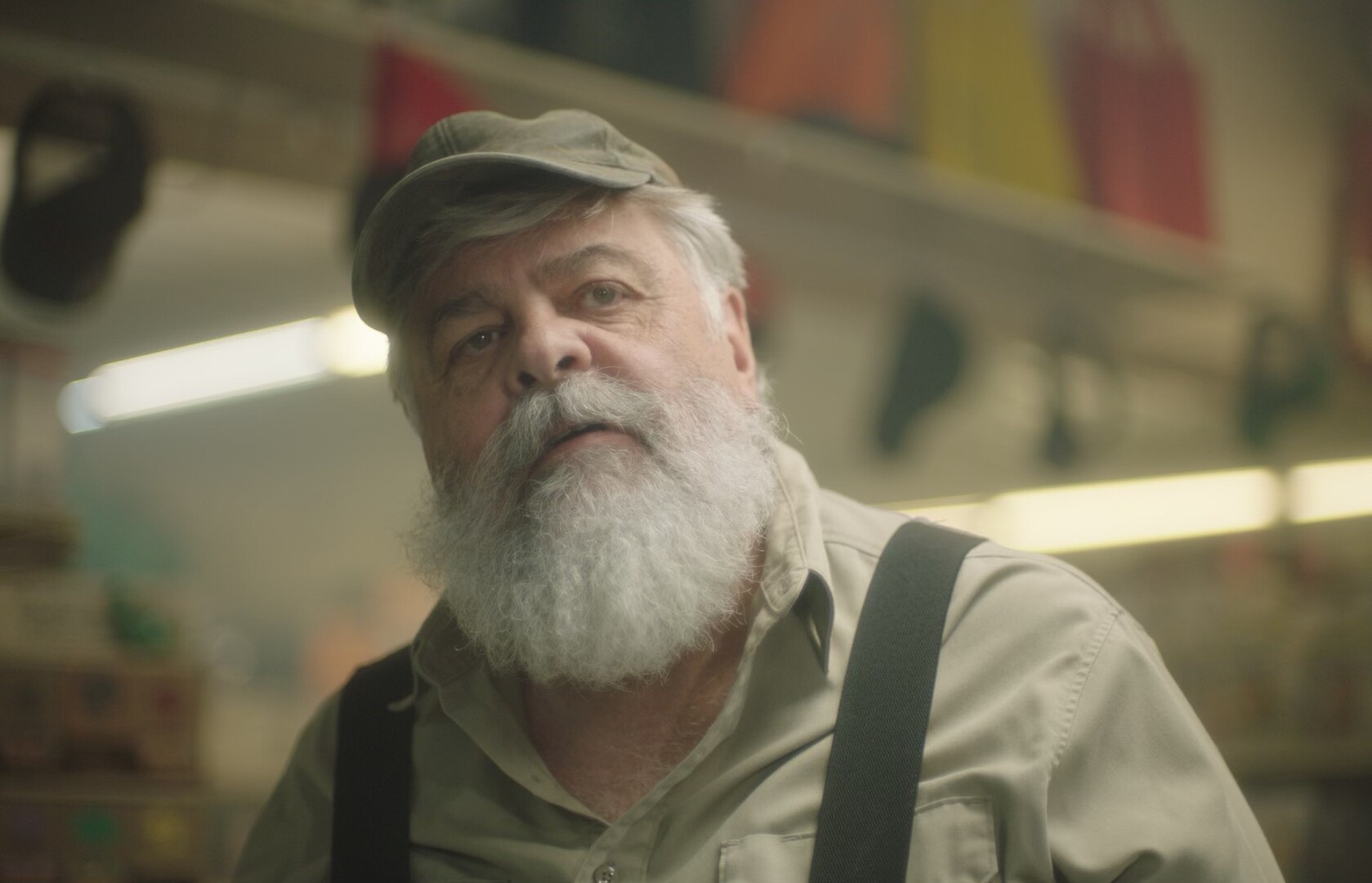
It makes Marion someone we WANT to trust, yet aren’t one hundred percent sure about, as sometimes innocence can just be a veil for something else lying underneath. It’s a perfect performance to create that sense of quiet unease and questionable certainty about Marion, which Bass plays up adeptly well and with total credibility. Amber Rose Mason is Marge, the owner of a local cafe in the town of Livingston whose known Verne as a regular for a while, but who then becomes the bearer of bad news on the particular morning visit to her establishment Verne always does. Douglas ‘Hurricane’ Hall is Pete, the owner of the town’s gas station/convenience store who is also quite familiar with Verne, even as he comes in to buy supplies for his time away, which concerns Pete to no end, even offering to check in, but Verne resists.
An additional supporting turn is made via voice only by Melanie McNulty. So, in total, “Come Out, Wherever You Are” is an interesting study in our current cultural climate when it comes to mistakes being aired out in such overtly far-reaching ways via social media, but then also how any encompassing interruption of that can spell both salvation and subjugation when it comes to our poor decisions having been disclosed for the world to judge. Is reliance on such wide-reaching technology spelling doom or release? THAT is what we must determine and wonder about….and therefore try and surmise what our next chapter might be like in its absence.
STAR RATING (out of 5):

As always, this is all for your consideration and comment. Until next time, thank you for reading!