
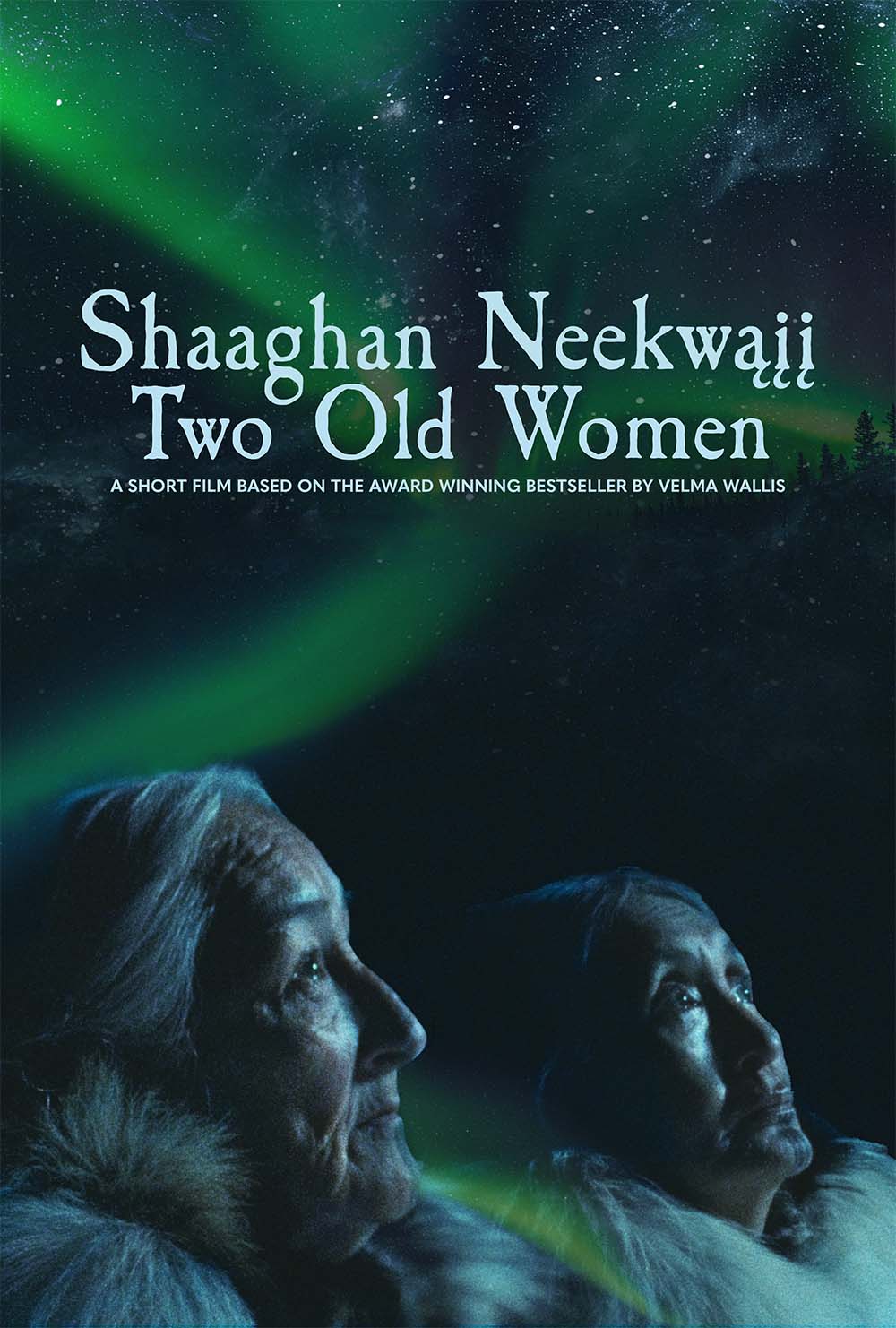
Short Film Review “Shaaghan Neekwaii (Two Old Women)” A rediscovering of Indigenous history, storytelling, and customs blend into a harrowing yet eloquent tale of survival and elusive faith

NO TRAILER CURRENTLY AVAILABLE
First, the Recap:
The preservation of history. It might be safe to assume that, for many of us, the entire notion of truly embracing the completeness of where we’ve come from, how we arrived at the points in time we have, and the lessons about we’ve been taught might actually have been lost more than remembered. Basically, we’ve “moved on” as it were, not really putting any further credence in the heritage where we reside, its significance, and lasting vitality. Maybe it’s time to reconsider and dive back in. For what a tragedy it is if we totally lose sight of all that’s shaped and molded us.
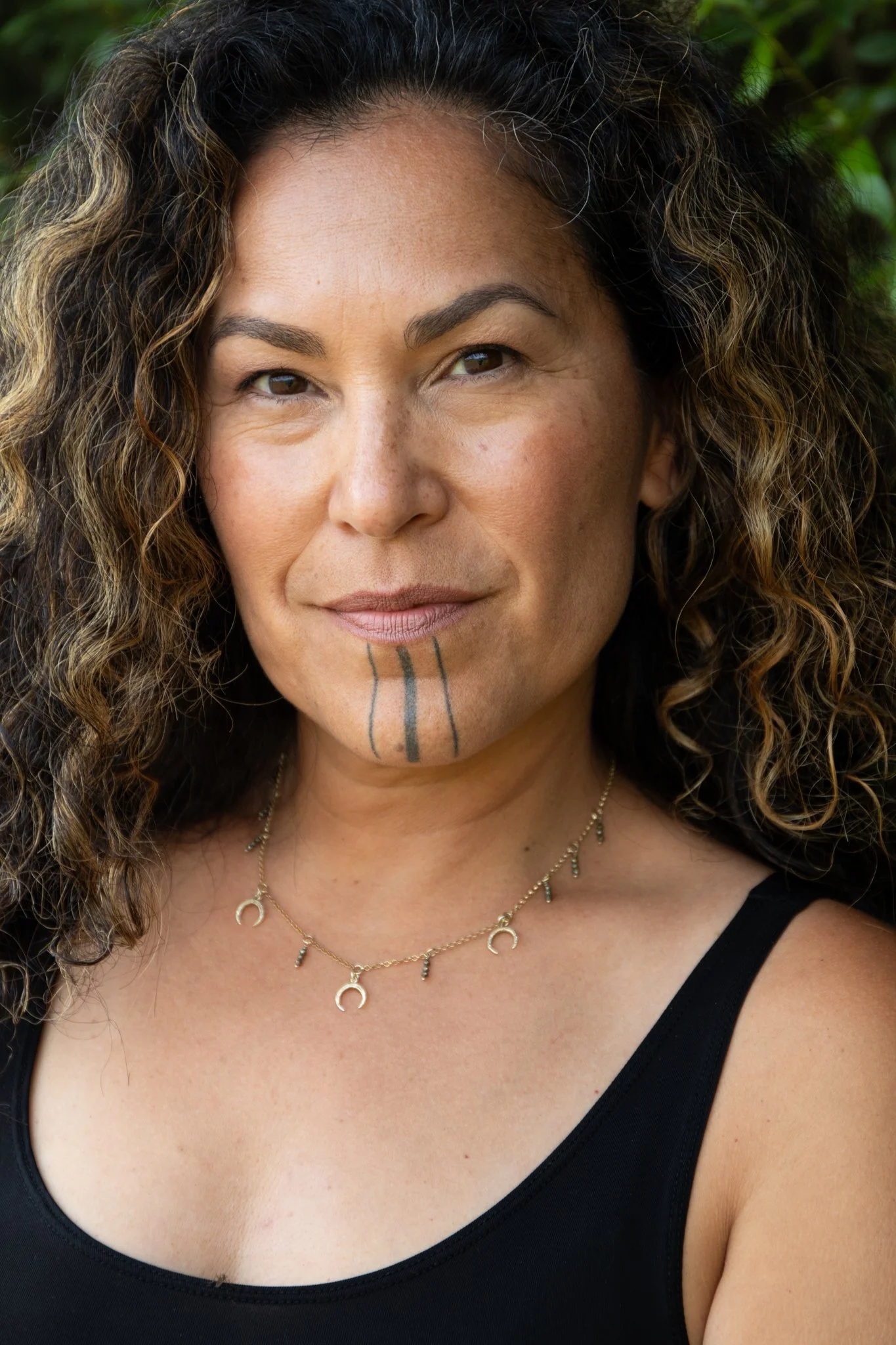
Deep in the Alaskan wilderness, circa the 1400’s, lies the territory belonging to the Gwich’in nation. However, the reality is anything but bright, as the specter of starvation and the need to move to other areas in search of food also causes the tribes to make a brutal and seemingly heartless choice….leave old women behind, believing they cannot keep up with the younger, healthier men and women. But for two such castaways…Sa’ (Margaret Henry John) and Ch’idzigyaak (Brenda Kay Newman)…the LAST thing they choose to do is give up, give in, or lose sight of exactly who they are.
Next, my Mind:
While, like many a subject matter in film, one could argue tales of survival are many, what continues to stand out for this critic is the fact that independent cinema almost ALWAYS discovers the means to take on such things in a manner that has a different magnitude of importance, relevance, and applicability that doesn’t tend to exist consistently within mainstream realms. Therefore, we are once again given a prime example of this through this 14-minute short film from writer/director/producer Princess Daazhraii Johnson, producers Taa’aįį Ch’igiiontà, Heather Rae Priest, and Jason Ryle, plus executive producers Jodi Archambault, Beverly Morris, and Tracy Rector. Evocative in its imagery, provocative in its message, compelling in its aims to ensure a people’s history is never forgotten, and one hundred percent innovational in the light it shines for Indigenous filmmaking, filmmakers, and telling IMPACTFUL stories.
The first ever screen adaptation of author Velma Wallis‘ well-received, Creative Non-Fiction Western States Book Award-winning 1993 novel “Two Old Women: An Alaskan Legend of Betrayal, Courage, and Survival”, the narrative follows, quite literally, two old Gwich’in Nation Athabascan women in 1400’s Alaska who’ve been left behind by their starvation-fueled tribe that’s been forced to move on and sees no room for anyone they perceive will slow them down. What ensues from this point is a stark, emotionally intense, yet likewise captivatingly inspiring journey of unwavering fortitude, overcoming doubts, accessing ancestral knowledge, and the sheer potency of the human will to live that drives these two woman to face their actualities with the one thing you would think would be the first thing to elude them….HOPE.
But what is really on display here is the unfiltered combination of the hard challenges and beauty of a people’s past, the ongoing efforts that now carry forward through this film to bring this cultural history to life again, and to reawaken and rejuvenate the value of human beings BEING there for one another, to illustrate now MUCH we need to come together during the stormy times that we see around us. It is this complete and immersive impression that is so deeply requisite, and to showcase this through a profound effort as this film only stands to testify to the worth indie cinema and the bold artists who create it holds, and SHOULD hold, for us as the grander filmgoing community. Plus, there is the magnificence of having the opportunity for us to LEARN about a culture that has an incredible, proud, and congruous heritage that has ENDURED for THOUSANDS of years in the Arctic regions of NE Alaska and NW Canada.
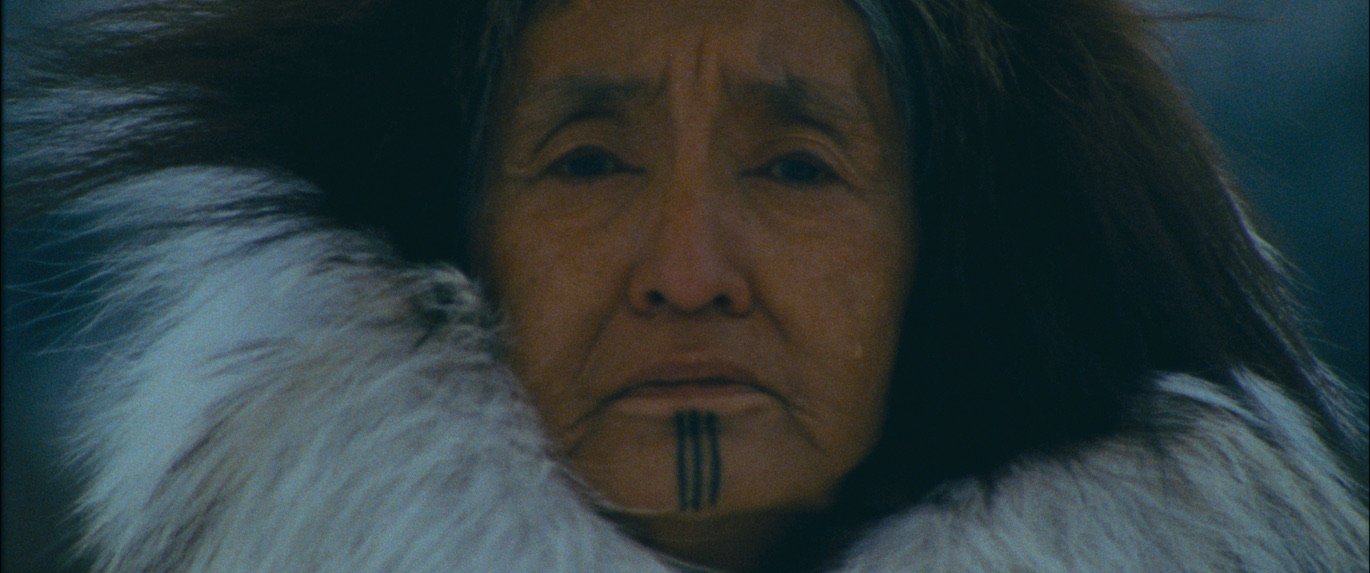
We get to hear the dialogue in the original Gwich’in language while being privy to at least some of the customs, legends, and societal actualities the Gwich’in nation has faced in their history, which alone makes the film pertinent and worthwhile to view. Add to this the unfettered majesty of the Alaskan mountains and woodlands, which only serve to bring an even more stirring, haunting, and totally credible atmosphere to the narrative. As people sharing this world, we should not hesitate to be open TO understand, embrace, and RESPECT other cultures and their people, and this critic assuredly believes a film like this will make a splash when it has its North American debut at the Anchorage International Film Festival (running Dec. 5th-14th, 2025) on December 13th at 3pm as part of the Native Shorts Block. This is the very heartbeat of indie cinema being demonstrated through this film, and it NEEDS to be SEEN, HEARD, ACKNOWLEDGED, and APPRECIATED.
There is a magnificent, quietly sublime sense of purpose, emotive potency, and all-around an understated, graceful energy that gets delivered by both main actresses here, wholly aiding in making this film the ultimately heartening and dramatically riveting experience that it is. Margaret Henry John is Sa’, the “younger” of the two, who must be the voice of reason as the pair must find the inner strength and willpower to either survive the harshness of the Alaskan winter or otherwise give themselves over to death. Facing this specter of their own perceived limitations vs. a more “we will show them!” demeanor that Sa’ insists on holding fast to, will it be enough to push them to realize that even in their abandonment by the tribe they called home, they can call upon a wealth of attained knowledge, skills, and spiritual belief to make it through. It makes the performance by John all the more real and believable as she guides Sa’ through her pervasive positivity and faith.
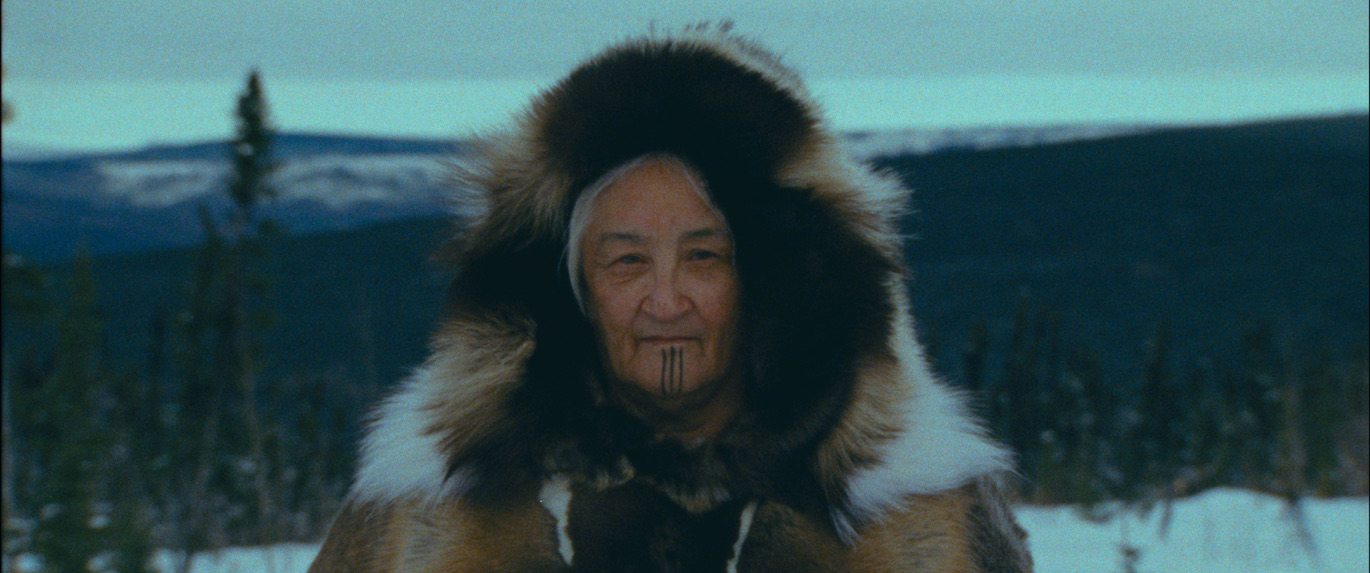
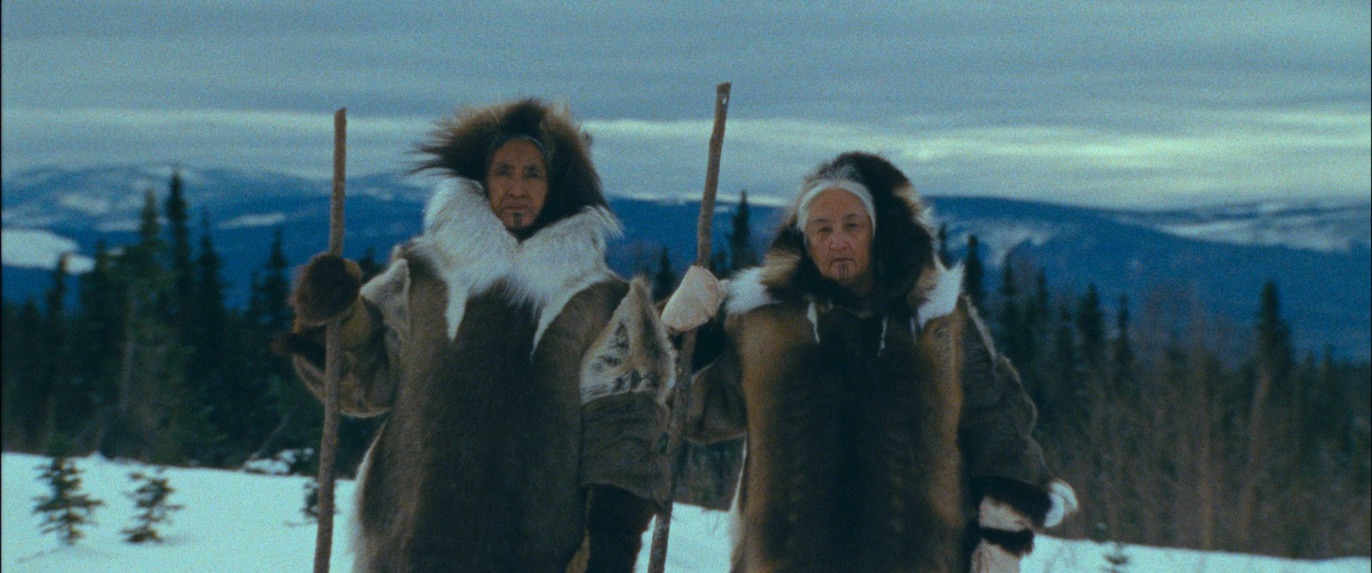
Brenda Kay Newman plays Ch’idzigyaak, the “elder” between them and one who seems to be more initially pessimistic about what chances they have to endure the cold and unrelenting rawness of winter, even as her companion makes all efforts to convince her that they WILL persevere. Just as with Sa’, Ch’idzigyaak does what she can to call upon all she’s gained from a long, well-lived life to help in their survival, but still continues to believe the chances are slim to make it. With the recollections of their tribal chief making the announcement that the two women will be left behind as the tribe moves ahead looking for desperately needed food, the feeling of being seen as nothing more than a burden, useless, and with no ability to contribute anymore sticks like a thorn in Ch’idzigyaak’s side. Yet, with Sa’s promptings, even Ch’idzigyaak discovers all is NOT lost, and the performance Newman gives echoes the depths of this resolute belief with resounding impact.
The sole supporting role arrives from Galen Gilbert as Chief Dajalti’, whom we see in a flashback memory the women have about the moment their lives would be altered forever and the challenge of proving just how worthy of life they both are began after the tribe’s departure. It’s this jarringly present reality depicted that is both so expressively, dishearteningly evocative and yet so genuinely persuasive in its illustration of not giving up even when all looks against you. This IS the style of narrative we NEED more of, here not only for the picture of a societal and cultural awareness and conservation, but also an all-encompassing statement to EVERYONE to ensure that every aspect of our history and legacy be kept, passing down to each generation, the gravity and honor given to it unmitigated by the progression of the world around us.
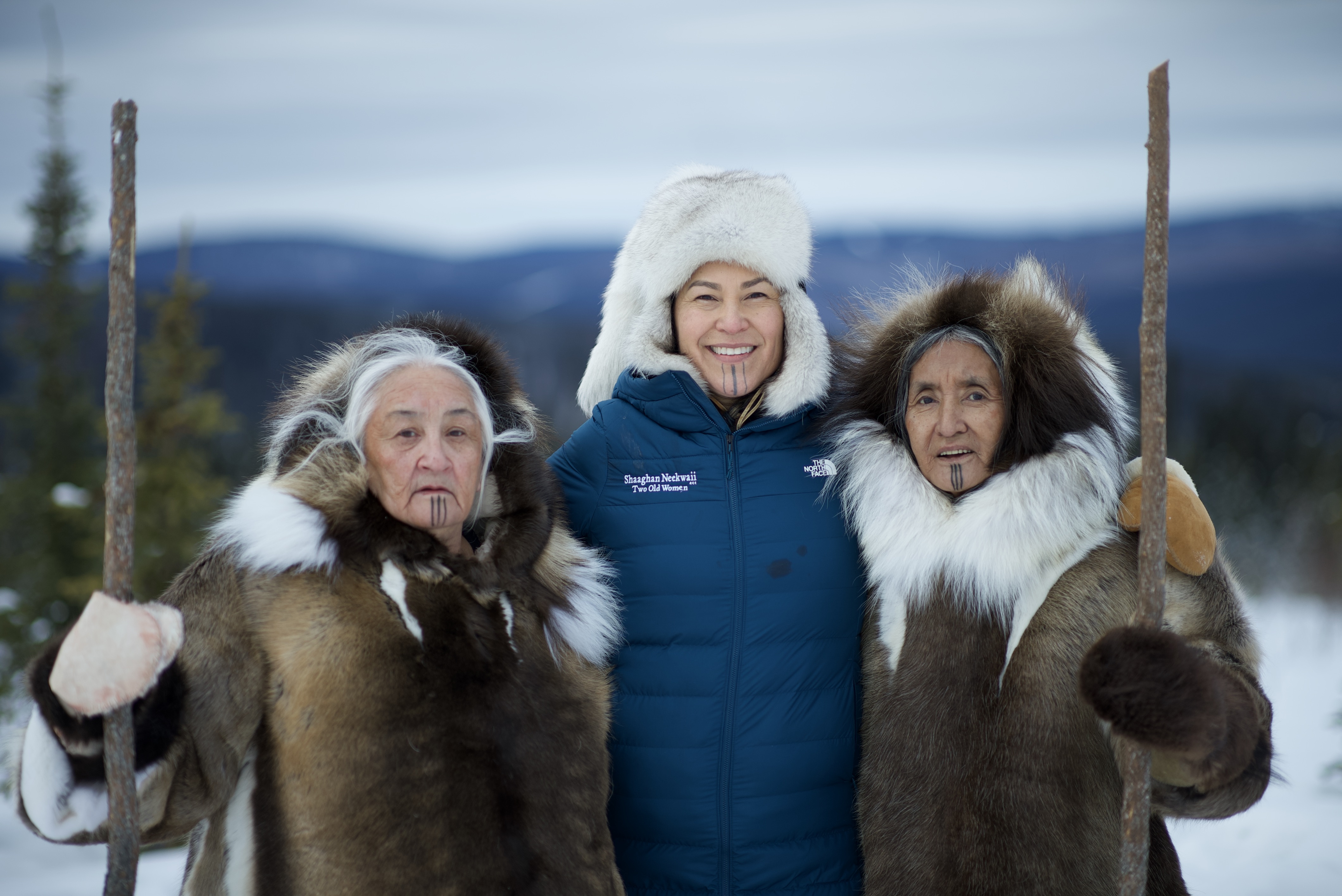
So, in total, “Shaaghan Neekwaii (Two Old Woman)” shines and soars as a candid, unflinching, sobering, but in the end uplifting exploration of a proud culture’s legends and stories being restored in a fresh, creative, and thought-provoking manner. Aiming to bring the kind of enlightenment and newly forming familiarity about the Gwich’in Nation, its people, its traditions, and world views, it is clearly meant for ALL of us to then recognize the merit and depth of influence Indigenous people’s of this country, and the world, have provided. May it assist as a call for us to find all means to make this world a much better place in which to reside.
STAR RATING (out of 5):

As always, this is all for your consideration and comment. Until next time, thank you for reading!

prencess take time to make a good movie two old women shot it arctic village an d venetie…make it two or three hours movie…copy velma wallis story so people from all over world well watch it…ask client eastwood he good at making goo d movie…tranulate seventeen different lanuage…wow that good you work on velma wallis story….thank you jeffrey john venetie alaska…