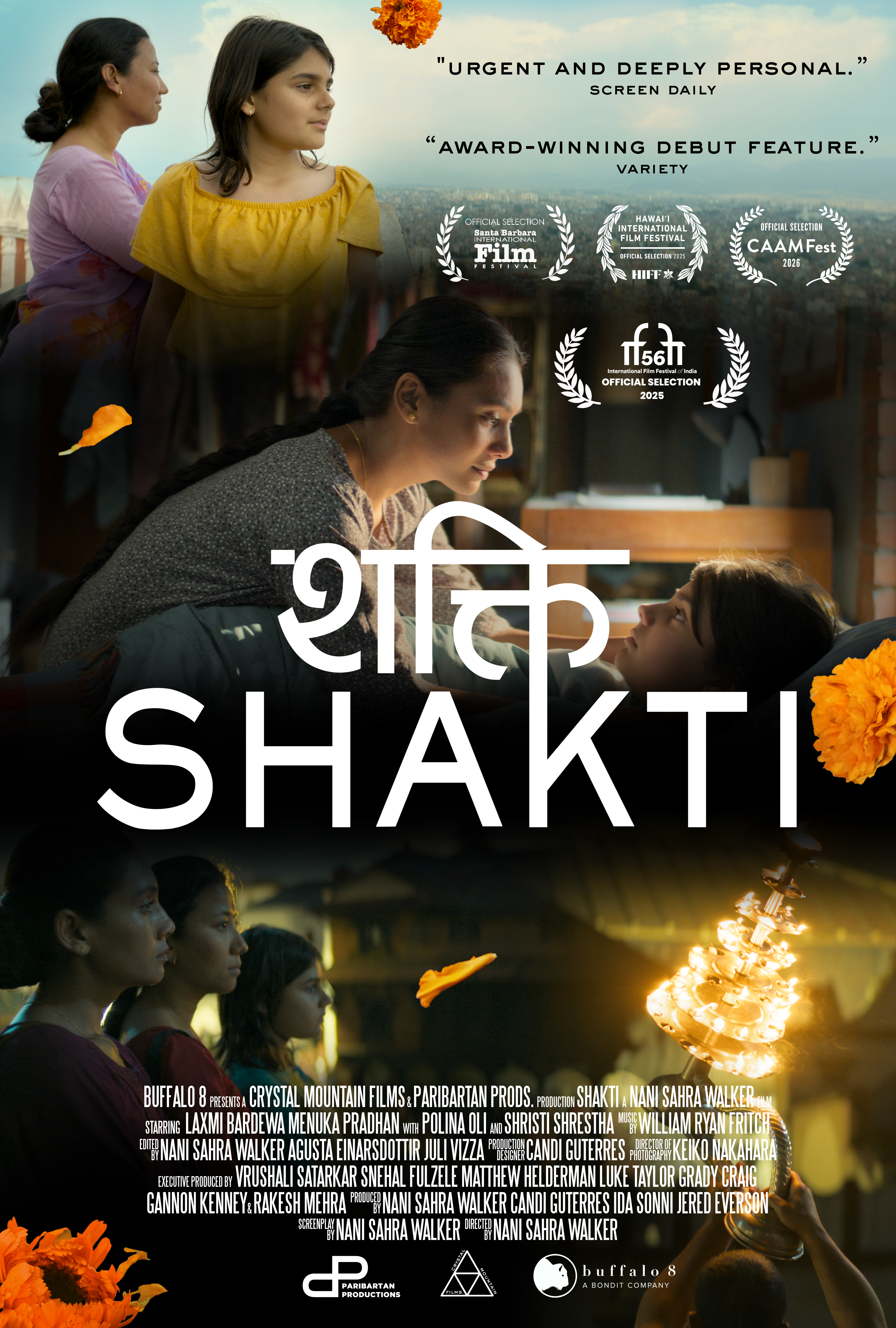
Indie Film Review “Shakti” The concept of power, both bad and good, gets addressed with precision, stirring urgency, and resolute purpose

WATCH THE TRAILER BELOW:
First, the Recap:
What happens behind closed doors. Can it be said that we can become blind to the signs of things gone awry? We take it at face value when striving to trust others, much less entrust those we cherish TO others’ care, that all is well. But, what seems innocent on the surface might hide not only darker deeds, but can also end up shining a light upon our own inner battles. When suddenly confronting them, will this lead to seemingly elusive absolution? Or, will it also become the battle cry for the further concept the situation demands…ongoing justice.
Durga (Laxmi Bardewa) is a single mother with a precocious but mildly troublesome daughter, Lila (Polina Oli), whom she adores and aims to have excel. Even as she faces the specters of societal pressures via ingrained discrimination, Durga works hard to make Lila’s life better. However, when Lila is willing to take a step forward, circumstances come to life that cast a pall over their lives. Soon, Durga finds herself in a true skirmish with a culture that looks down on her while delving into the realms of shamans to see Lila healed of an initially enigmatic sickness born of darkness.
Next, my Mind:
Once more I find myself marveling at the ability of the foreign film community, and in this case the ever-prolific South Asian arena, to take on themes that have awareness-raising, compelling, raw, poignant, and flat out necessary thematic journeys we may have seen before, yet still manage to discover means to make it feel newly relevant, fresh, and impactful. Such is the manner in which I would choose to describe this new indie feature film from Nepalese writer/director/producer/editor Nani Sahra Walker. Along with producers Candi Guterres, Ida Sonni, and Jered Everson, co-producer Sarita Diyali, plus executive producers Vrushali Satarkar, Snehal Fulzele, Matthew Helderman, Luke Taylor, Grady Craig, Rakesh Mehra, and Gannon Kenney, we as the viewer get immersed in a potent drama that hits the heart, soul, and mind with hard realities and battles cries for change amidst the stunning, sometimes eerily haunting vistas and atmosphere of Kathmandu, Nepal.
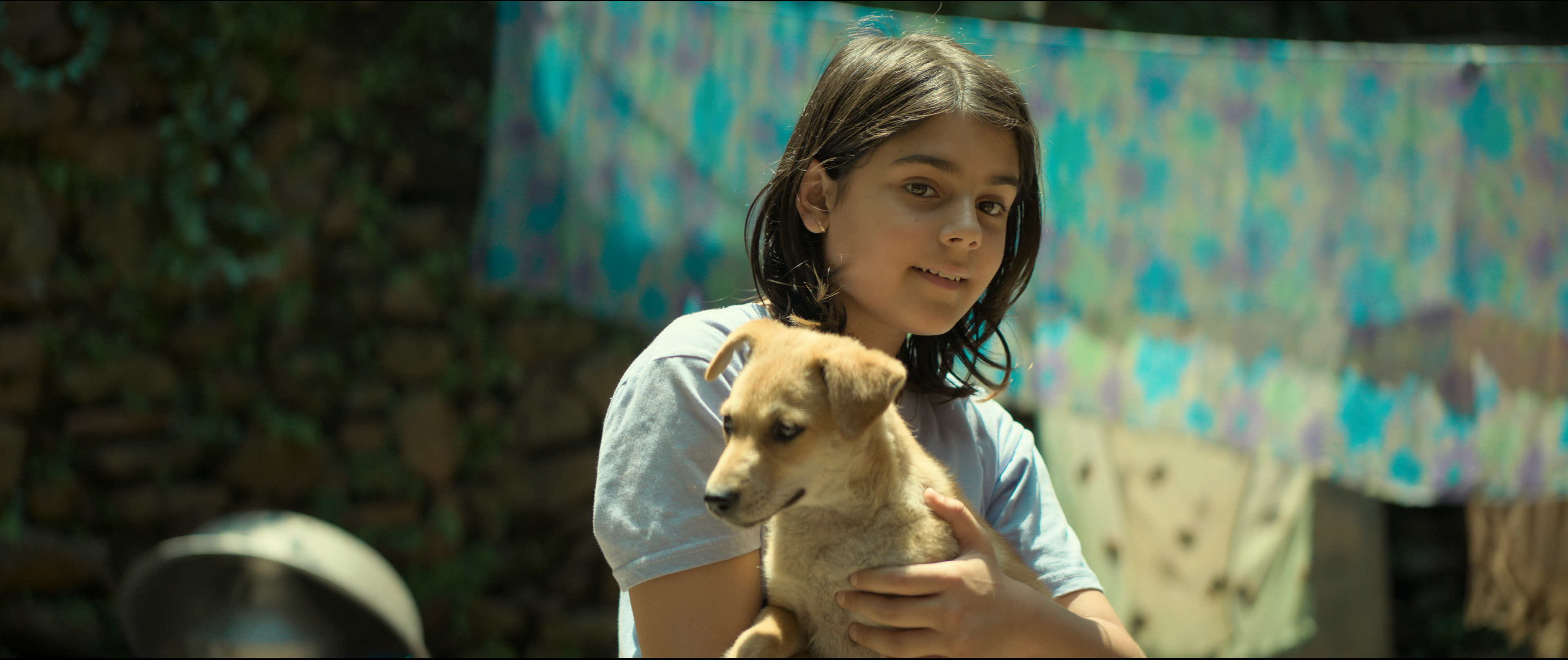
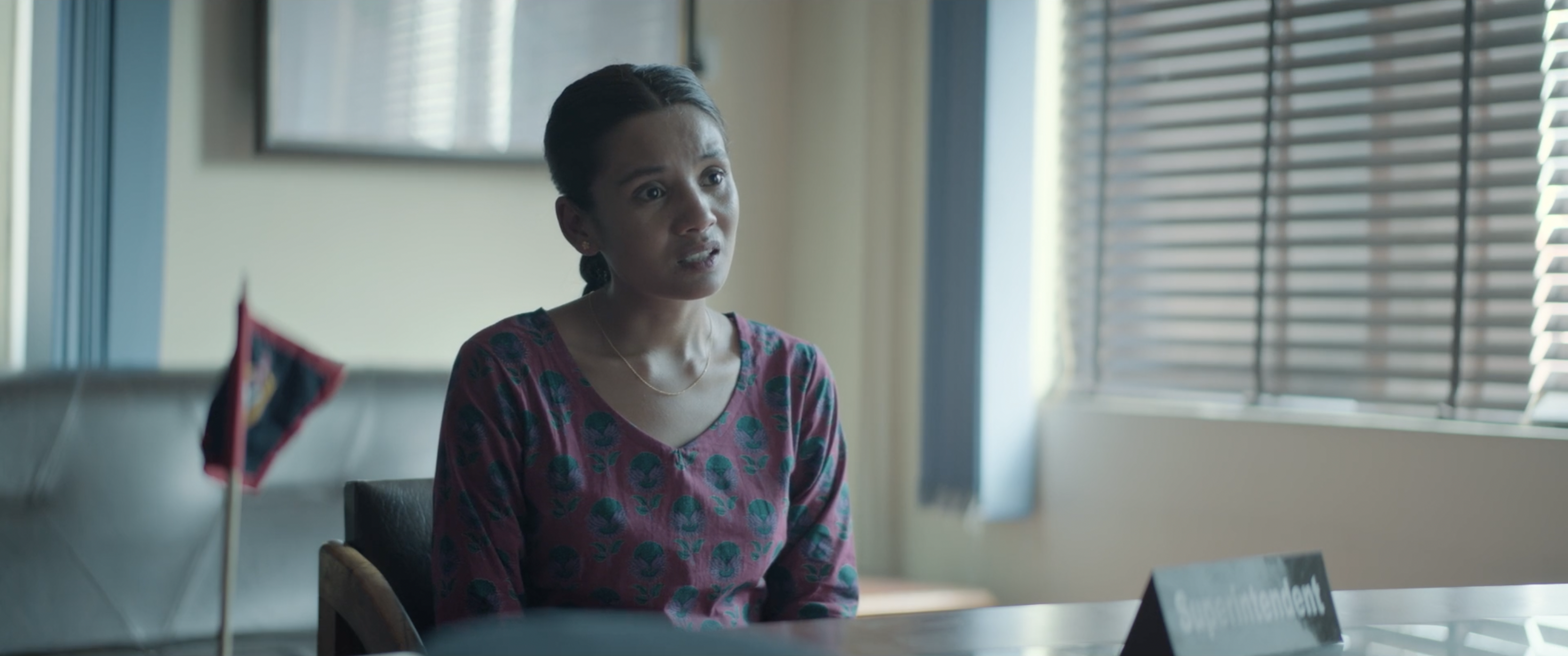
Finding its footing through a narrative that sees a single mother fighting first for her child and then for female empowerment and the exposing of wrenching wrongdoing in the city they reside within, the film deftly intermixes elements of the religious and supernatural into its tapestry with an astutely keen intentionality that lends just enough air of ominousness to events while NOT actually turning it into horror movie material. Truly, it is a small side note to the grander dramatic endeavors the film puts forth, and trust this critic when I say that, as referred to above, its a film that SHOULD hit us where we live, no matter where that might be, as the messaging here is powerful and persuasive on a myriad of levels. What does strike you is how SAD it is that the occurrence being highlighted here is needed at all, and the light it shines upon something that so deeply requires more and more action to prevent imbues the film with even more candid applicability and call for action.
As is the case with many South Asian efforts as a whole, we are privy to oft-explored foundational themes involving caste, religious, and gender discrimination, hypocritical mentalities, blatant patriarchal leanings, misguided notions of “honor”, and ingrained tradition driving so much of societal norms to the point of rigid, damaging degrees. But, again, these are such important facets for us to be reminded of, and ones we as human beings should never just dismiss offhand or feel that it doesn’t affect us, because folks, it DOES. The ongoing actuality that these choices, decisions, and their consequences on those who become victims of it still persist and seem unconquerable should BE the wake-up call films and their narratives like this engender, calling ALL of us to take notice and contemplate how things could BE so much better if more open minds, cooler heads, and a realization of what transformative ramifications could arise from it were recognized and heeded.
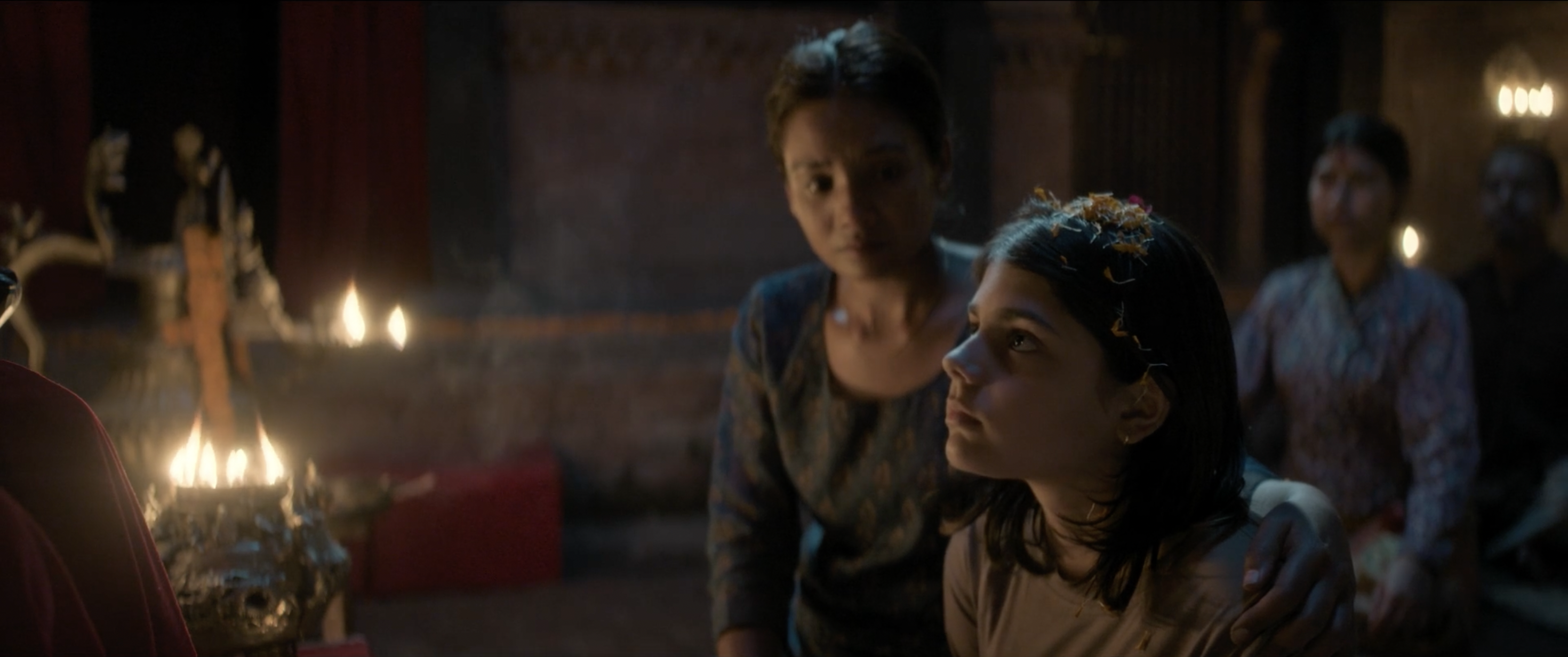
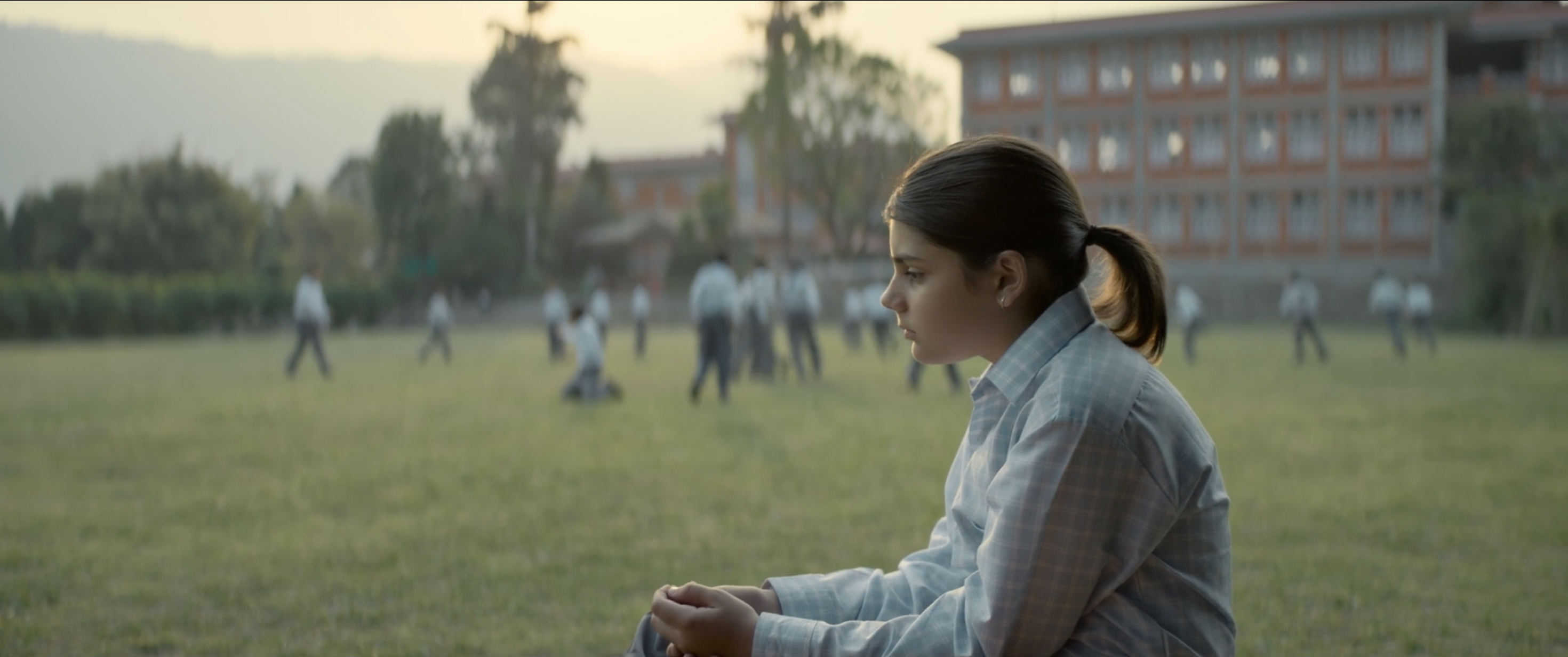
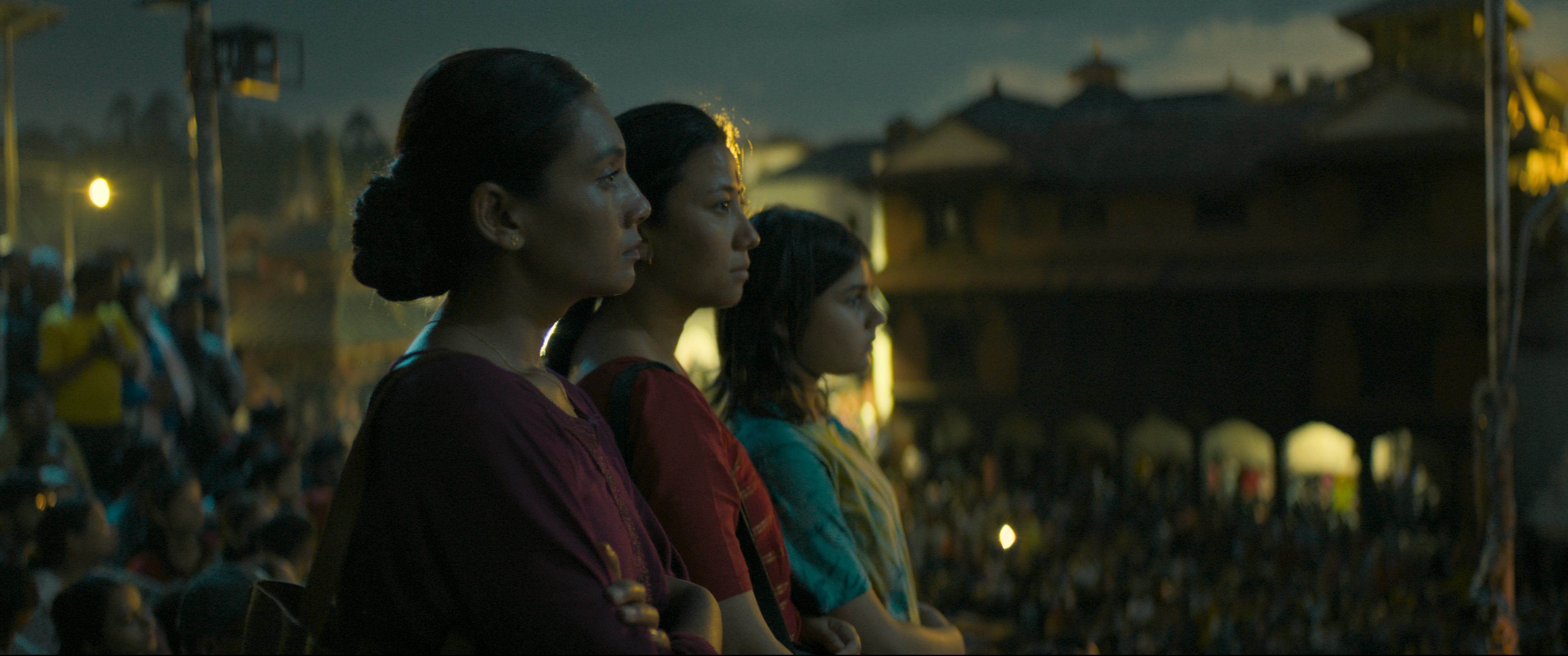
In this film, seeing all of this through not just the eyes of a woman beaten down by the society she only wants to succeed and be at peace with but also of a CHILD who’s drastically traumatized by what is being hidden and shockingly tolerated serves to cement the weight of what’s portrayed with fervent strength and lingering significance that cannot be ignored. As if the sum of the film and the direction it takes us through a young girl and her mother’s unsettled perspectives isn’t substantial enough, the finale we are given stirs a fire in you that, I felt, begs for MORE, a desire to KNOW where the conflict of conscious vs. convention, courage vs. cowardice, catholicity vs. divulgence finally sparks the ultimate answer when someone chooses to STAND FIRM and RESIST these forces: the POWER to make a difference and initiate a transfiguration of sentiment and viewpoint that will benefit everyone involved. I love films that aren’t afraid to be about SO much more than entertainment, and this one assuredly fits that approach with absolute resolve.
What else does the film have going for it? How about a fantastic cast, both lead and supporting, that buoys the narrative with engaging, credible, grounded performances. We first reveal Bardewa as Durga, a struggling but stalwart and relentless single mother whose own personal trials get both addressed and pushed aside when her beloved but mischievous and naïve young daughter gets caught up in a dishearteningly traumatic experience that will alter both of their lives forever. The ensuing confrontation with entrenched prejudices, hidden, dark deeds, and finding the fortitude to overcome it all against the odds drive Durga forward, even as she has her own demons to be revealed, with results that could result in genuine change. Bardewa infuses the character with such a heartbreaking level of believable vulnerability yet also a steadfast and inspiring magnitude of might and determination, filled with an energy that showcases the actress’ talent and commitment to pull us as the viewer into Durga’s tale with unabashed, beautifully acted skill.
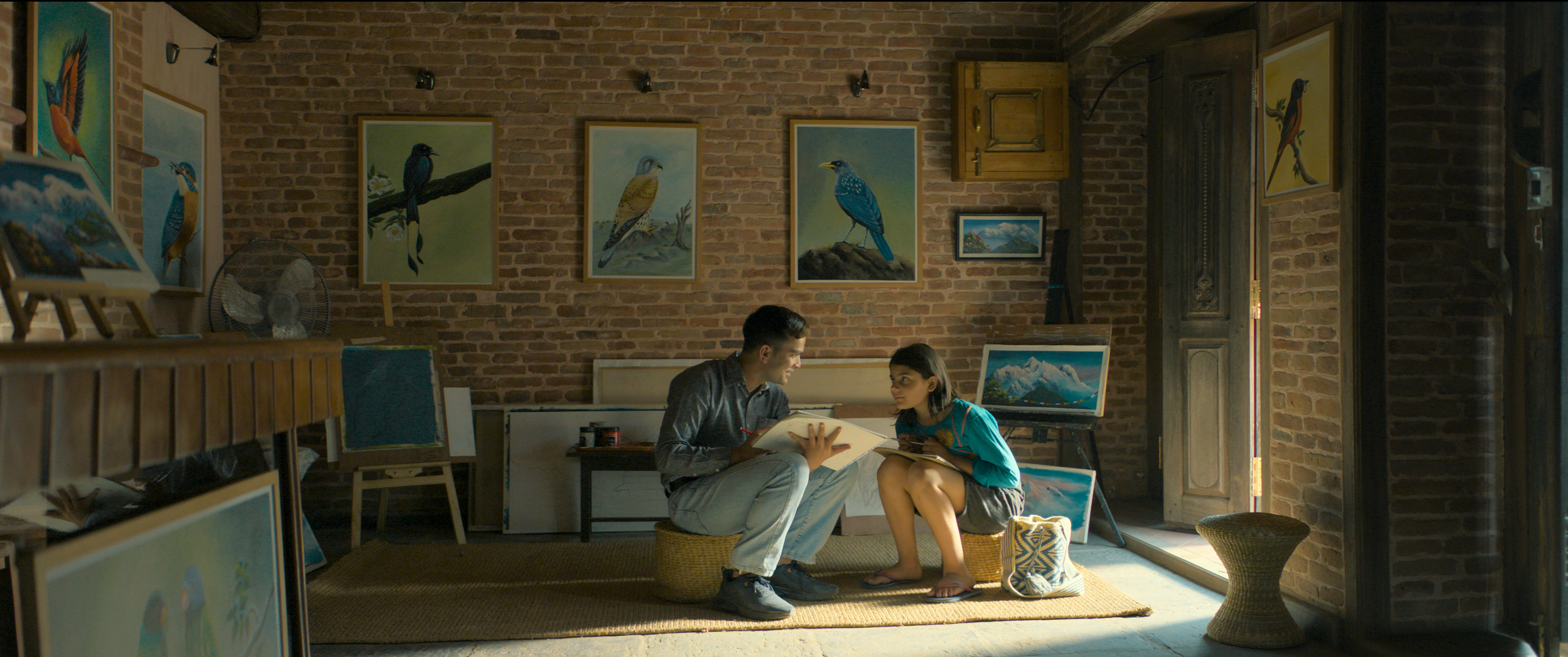
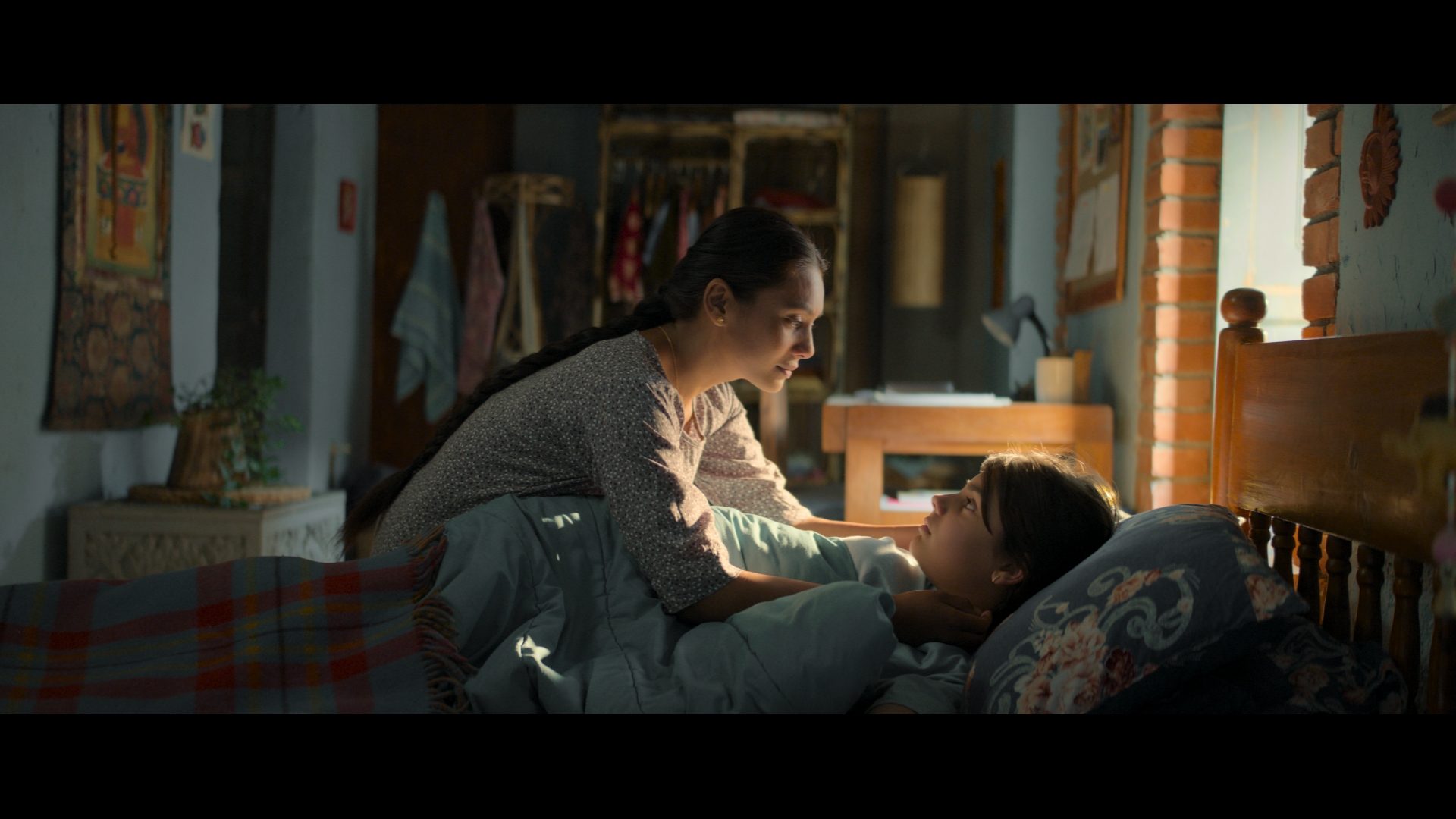
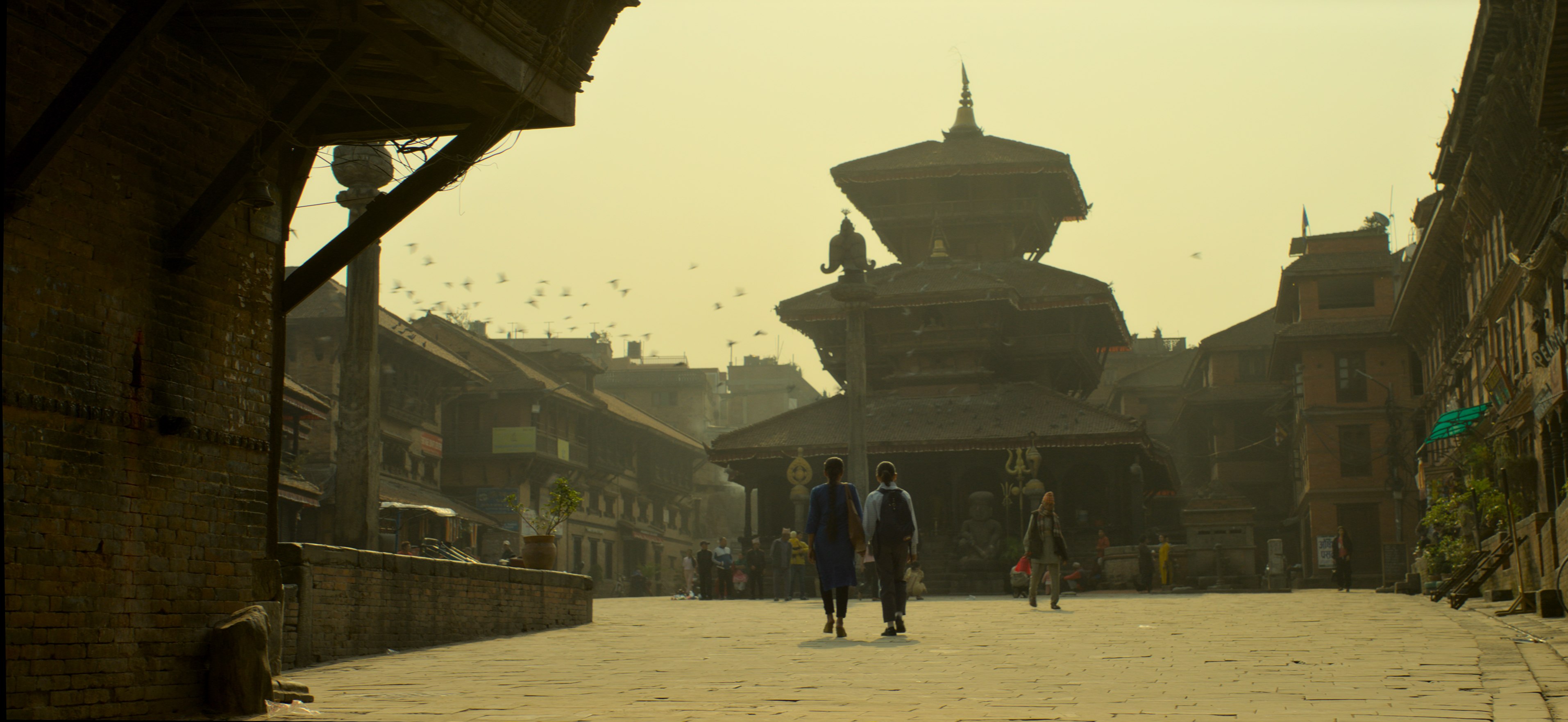
Now, let’s talk about the amazing debut of Polina Oli, delivering a magnificent performance that speaks volumes, filled with a poise and certainty beyond her age via the role of Lila. A young girl just trying to BE nothing but vibrant, alive, and playfully unruly, Lila’s entire outlook on things gets exceedingly and terribly upended, causing a retreat into a state of isolation and muted distress that could take something beyond this world to root out. Even as her desperate mother tries to help, the specter of what has happened digs in deep, and calls into question what it will take to see Lila come out of it while also seeing the source of it all dealt with. Oli is heartwarmingly endearing and energetic as well, but also acutely understated in her portrayal of the Lila’s inner strain without losing the sheer gut-wrenching reality she is facing. It’s a mature performance that demands attention, respect, and becomes a further example of the wealth of young talent that is out there. A perfect debut while handling a highly difficult subject matter, executed with style and finesse, once more belying Oli’s age.
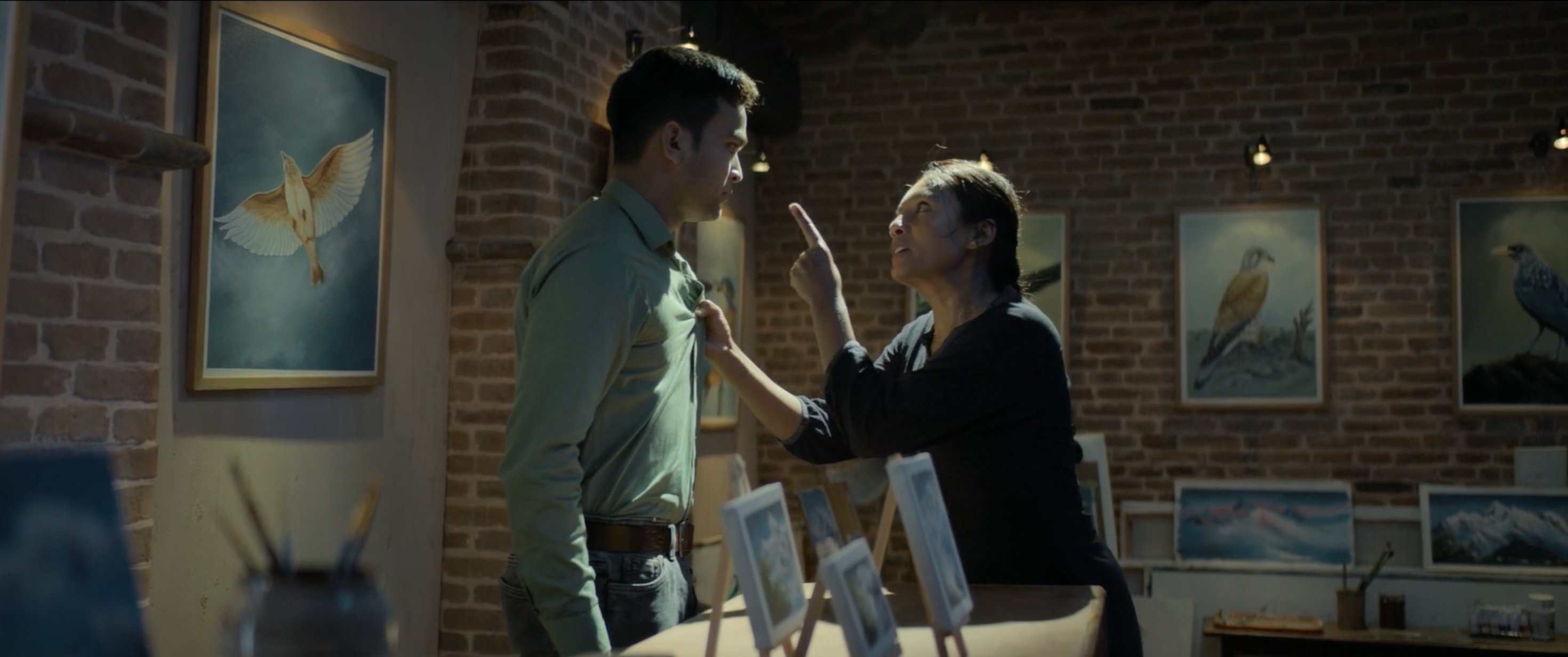
Primary supporting roles arrive first though Menuka Pradhan as Maya, Lila’s Aunt who lives with her and Durga and who is just as much a dedicated caretaker for Lila when Durga is at work. Maya also stands as an example of the kind of influential trust and guidance Lila needs, and Pradhan pulls this character off with flying colors. Shristi Shrestha is Ms. Joshi, a teacher at Lila’s school whose concern for her student is sincere and heartfelt, wanting to see a girl with such solid skills be given the chance to shine. I love Shrestha’s manner in presenting this character as the authentic source of encouragement she is. Akash Nepali plays Rabi, a local younger man who helps run his father’s art studio while also tutoring the children in the village who aspire to be artists. Yet, could there be more to Rabi’s seeming affability than meets the eye? Nepali does an excellent job portraying this character who might be one you will love to hate. Prakash Ghimire is Hira, Rabi’s father and a man with a piece of knowledge that could shake the very fabric of the village, even as his reputation through his studio appears to give him free license to do what he wants.
Maotse Gurung is Mali Dai, a neighbor of Durga’s and the local handyman who helps them out when he can, though sometimes perhaps not in the ways that best benefit Lila at times. It’s almost a humorous role but not remotely in a way that detracts from his part to play in the story, and Gurung does a wonderful job with the screen time he is given. Riva Thapa is Karuna, a local lawyer and women’s rights crusader who attracts Durga’s attention when the events unfolding leave her with no other choice than to come to someone whom she believes will understand her plight and battle for her. Depicting a woman in a position of power is integral to this film’s intent, and Thapa also makes the most of her screen time to this effect. Jiban Bhattarai is Dr. Naren, the doctor at the hospital Durga works at who might just prove there IS such a thing as a decent, caring man. Bhattarai is also very authentic and believable in the role, a character you can root for. Sarita Giri makes a quick but very imperative and impactful appearance as the shaman Durga chooses to take Lila to when things seem hopeless.
Norbu Tsering is Prem, a local tea shop owner who could be a witness to far more than he realizes at first, though his powers of observation will prove priceless. Additional appearances are made by Krishna Bhakta Maharjan, Prabhakar Neupane, Rashmi Bhatta, Binita Thapa Magar, Bishal Dotel, Ram Bhajan Kamat, Elen Bhandari, Shubham Ganesh, Govinda Sunar, Roshani Syangbo, Daniel Pradhan, Pranjal Khatiwada, Ashim Ang Thupo, Sushrut Acharya, Moin Khan, Smira Bista, Sunita Rijal, Simran Pun Magar, Annapurneshwori Shrestha, Arjun Acharya, Benita Gurung, Rizoon Pariyar, Seshraj Subedi, Pabitra Rai, Zenitha Maharjan, Ian Scott Clement, Geeta Bhusal, Monica Jha, and Manoj Rasaili. With such a mass of actors, I always want to convey that these artists are ALL appreciated and acknowledged. You each had a part to play here, and you are seen by this critic. Stay the course and keep to your chosen craft.
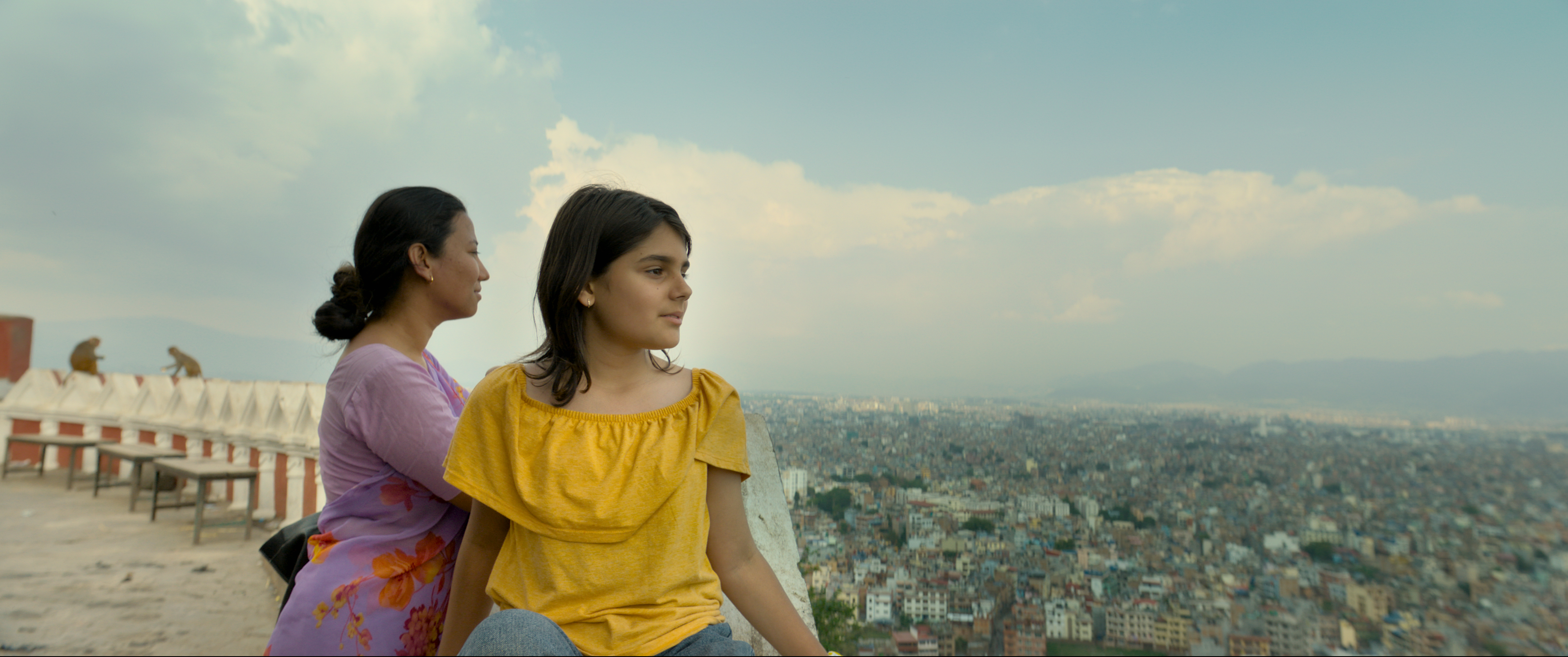
So, in total, “Shakti”, with its lush cinematography, intelligently crafted narrative, brilliant directing, and wholly thought-provoking foundational gist provides us with both melancholy and inspiration, finally leaving us with a feeling of hope that it will promote the manifestation of the rallying cry for equality, justice, an end to abuse, and better protection for our youth while illustrating the undeniable POWER of resilience.
STAR RATING (out of 5):

As always, this is all for your consideration and comment. Until next time, thank you for reading!