Oscar Qualifying Short Film Review “A Family Woman” Divorce, parenthood, revisiting what’s past, and refreshed perspectives permeate the atmosphere of this affecting drama

NO TRAILER CURRENTLY AVAILABLE
First, the Recap:
In the wake of separation from anything we do, or did, hold dear, the means by which we move ahead remains imperative. To lose something we valued is never easy, even if by chance the reasons for it were totally understood or necessary. Coming through it, allowing ourselves to assess where we are at, and ideally choosing to find new happiness seems the most perfect way to let go. But, when the past comes calling, do we resist it or give in?
For a successful art gallery owner named Suzanne (Christiane Gjellerup Koch), pressing into work maintains her sense of self and self-fulfillment in the grander aftermath of a relatively recent divorce from her now ex-husband Magnus (Mikael Persbrandt). However, when she unexpectedly gets a call from him looking for assistance in babysitting his young daughter London (Saga Lily Marie Majland), it sparks reminiscing, recrimination, and, perhaps, much overdue release.
Next, my Mind:
Given the primary subject matter that this 19-minute Oscar-qualifying short film from dual writers/directors/producers Anna Arden and Linnea Arden, producer Kim Magnusson, alongside executive producers Rebecca Pruzan, Randall “Pete” Vanderveen, and Mikael Ahlstrom finds itself centered on, there’s what this critic felt was a smartly executed role reversal that then forms the narrative’s core purpose, propelling us into a candid yet cathartic foray showcasing divorce, its consequences, and what can at least sometimes be its ability to liberate a person’s life in surprisingly revealing manner. Now, mind you, I personally am not in itself stating divorce is a GOOD thing, as more often than not it is utterly devastating and/or heartbreaking, but here the Ardens have managed to discover a means to present the scenario in a way that truly allows for us to FEEL gratified in how the circumstances are handled, paired with the life-altering instances accompanying it.
The narrative looks at events through the eyes of a woman who may still be harboring any myriad of emotions over her divorce but chooses to push them down and not let it upend her having to confront it all again when her ex calls one day, asking her to pick up and babysit his young daughter, whom he had with the woman he left Suzanne for. This overall premise alone engenders a wealth of thematic exploration as it is, but what I then found absolutely fascinating was the means by which the story unfolds, how the situation actually impacts Suzanne’s character, and what I felt was a brilliant twist on things when the one who is really experiencing at least some of the pain involved with it all wasn’t who you might have anticipated. The concept of parental bonds with their children is likewise given a slightly varied turn as well, and it provides both whimsically endearing and tension-filled interactions that serve the narrative so perfectly and with apropos gravity. We also learn about the degrees of parental responsibility, or possible lack thereof, that really hits home with muted yet emphatic force.
As I hinted at above, there’s a deftly presented combination of palpable tension and an almost purifying liberation that occurs over the course of the film’s runtime, and again a clever juxtaposition of viewpoints, even gender roles, that unfolds which therefore aids in delivering an enhanced, relevant, and conclusively plausible finale that leaves you feeling satisfied and settled. The importance of maintaining a solidly functioning, loving, unified familial unit is, to me, an integral element to our lives and while this film may be dealing with the brokenness one family has now had to encounter, there’s that purposefulness and fundamental restorative aspect I see illustrated here that even when such a split has come around, there IS still hope, healing, forgiveness, and the ability to forge beyond the hurt and discover needed solace. There is no sacrificing the hardship conveyed in this film, but it isn’t ultimately an exercise in sadness by the end, but rather a declaration of freedom.
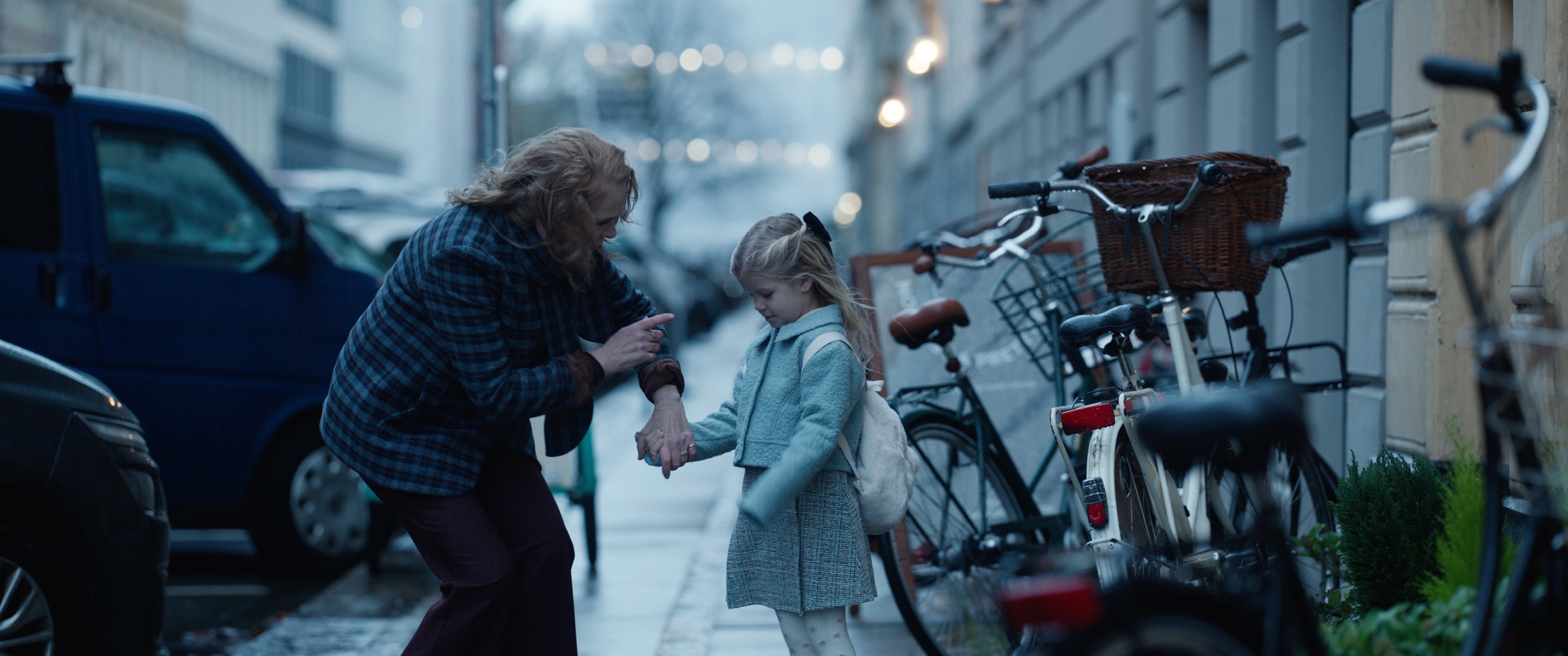
Koch brings to bear a beautifully controlled, steadfastly energetic, fully emotive performance that paints a picture of one woman’s greater quest for release that comes from an unforeseen place via her role as Suzanne. Managing continued success with as an art gallery owner, Suzanne’s world gets altered when a call arrives from her ex-husband needing her help via picking up and watching over his young daughter for an afternoon…who was born from the relationship he left Suzanne for. Reluctant but agreeable, Suzanne takes the task on, having what really is a magical time with this young child, perhaps reliving the challenges and joys of new motherhood, even as her teen daughter’s reaction to everything is FAR less than amiable or initially understanding. The ensuing time with Magnus when he arrives to get London is filled with memory and unplanned realities being shared that could bring Suzanne to a new place of genuine closure.
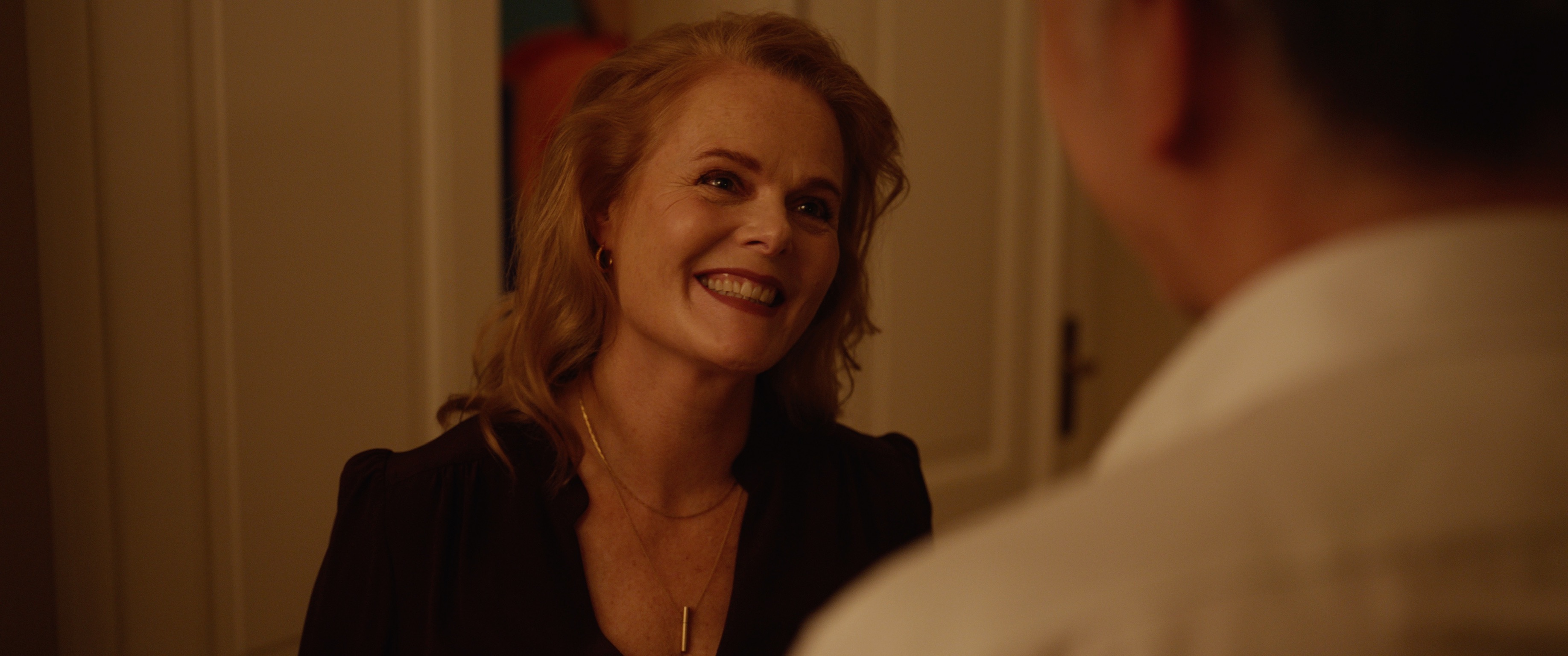
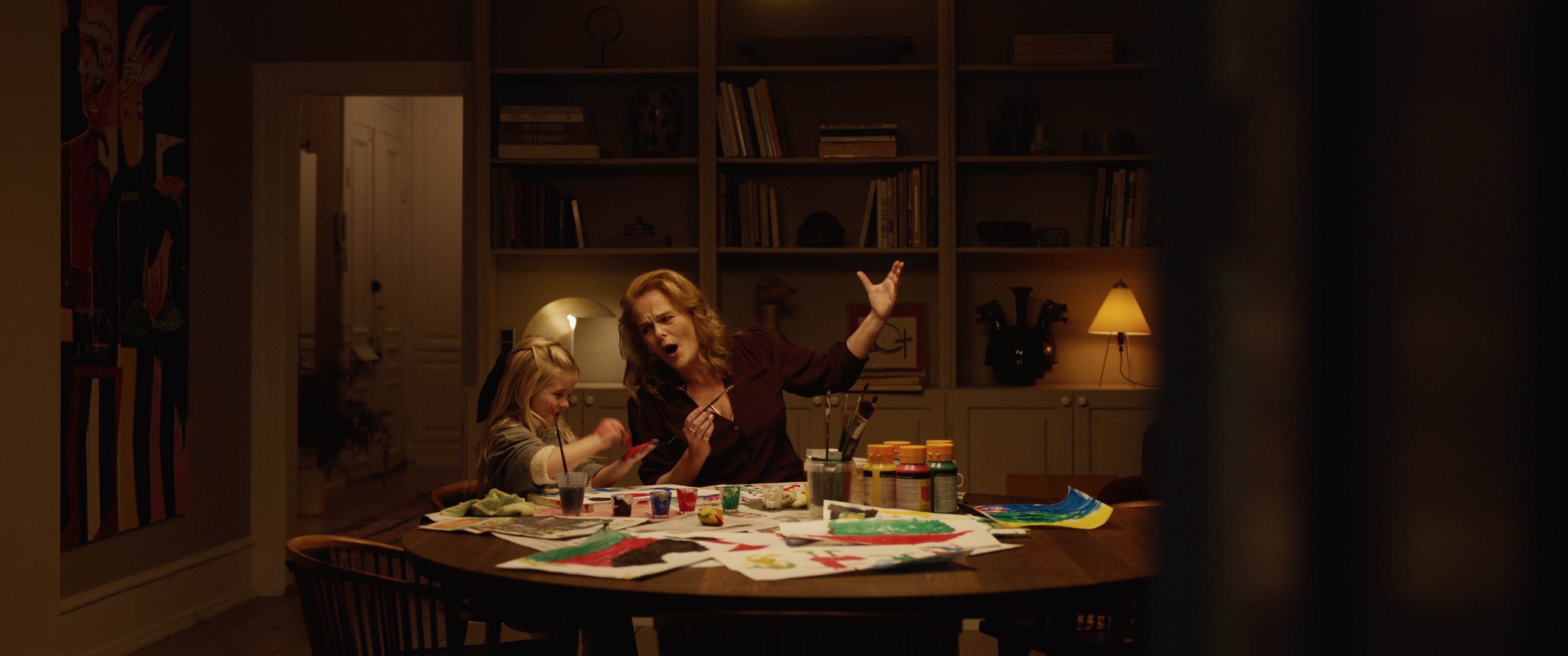
It’s a powerful role, even when on the surface seemingly calm and understated, thanks to Koch infusing Suzanne with a subdued but adamant fire that speaks volumes to the character’s state of mind and acceptance of what this entire circumstance has revealed to her, and what it means for her being able to relinquish what was within and acknowledge her figurative unshackling. Just an excellent performance from Koch. Primary supporting roles arrive beginning with Majland, who is one thousand percent adorable and heartening as London, Magnus’ young daughter with “the other woman” who comes into the brief custody of Suzanne when her father messes up and misses picking her up from school. London’s immediate but quick hesitations to go with Suzanne is replaced by an endearing connection that speaks so superbly to the mother/child realtionship as a whole, and I DARE you not to fall in love with Majland in this performance.
Gerda Lie Kaas plays Mia, Suzanne’s teenaged daughter who has more than her fair share of reasons, or at minimum ONE for sure, for NOT wanting to see even a cute young girl who’s associated with the father she resents being in the household. But as she realizes her real anger is not directed towards London, but her father. Mia’s journey just within the context of this short film is a whole exposé on the damage divorce does to someone, and Kaas just nails the venomous ill-will Mia feels towards Magnus and even her Mom for “giving in” until the actuality of the need to not harbor hate forever sinks in, well played and performed with fervent emotional impact. Persbrandt is Magnus, Suzanne’s ex who doesn’t do much to gain any empathy when circumstances cause him to not be responsible for picking up his own daughter from school, instead enlisting Suzanne in a desperate, last-ditch effort to make things “right”.
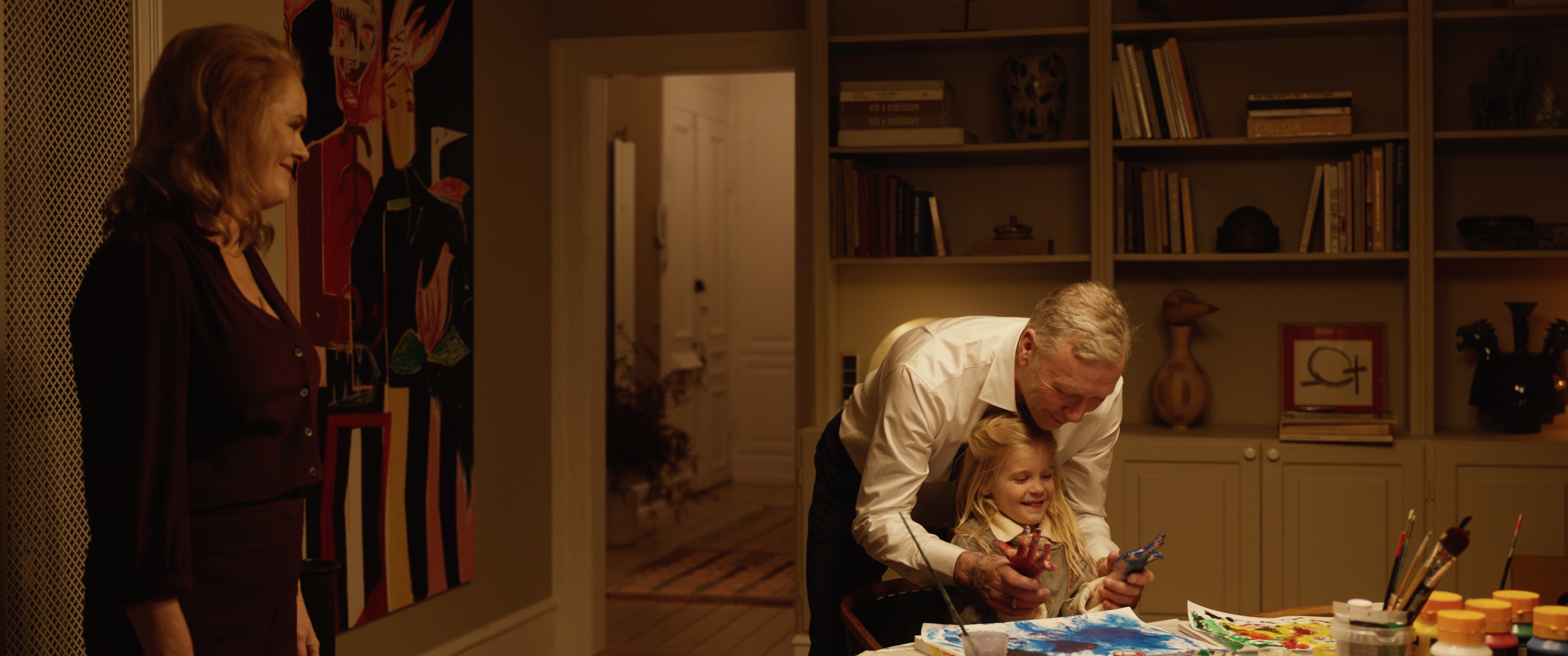
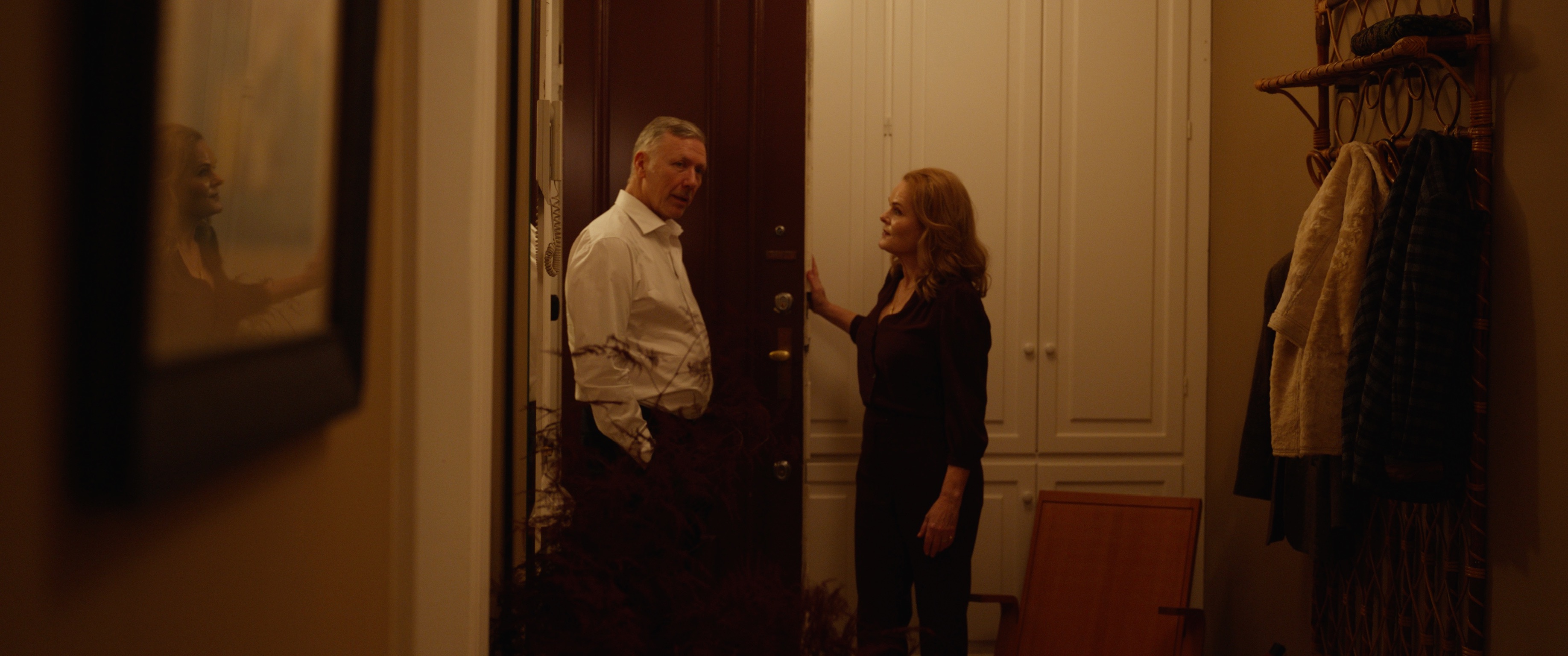
Once he arrives to get London, his sudden travels down memory lane with her gets deep and sentimental, as well as totally self-centered and “woe is me” upon being back “home”, to which Suzanne is admittedly drawn into, but only to a limited degree, when she realizes that SHE is the one who has come out on top, with Magnus’ laments about his life’s current challenges almost a relief and affirmation for her. Persbrandt plays the downtrodden uncertainty, lost love, and regret Magnus is experiencing with a totally credible poise that does sell you on the character with ease. Additional supporting roles arrive from Kasper Leisner, Hervé Toure, Mathilde Eusebius, and William Kanta, to whom I extend my appreciation and recognition for your parts to play, as supporting appearances assist in making the whole, well, whole. So, thank you!
In total, “A Family Woman” takes the entire idea of divorce and parenthood, melds them together in a unique and impactful manner, and conveys a story of remorse and emancipation with exceptional dramatic weight, imploring us to be aware of and treasure the family we have while embracing self worth, absolution, and the deliverance letting go can reveal.
STAR RATING (out of 5):

As always, this is all for your consideration and comment. Until next time, thank you for reading!