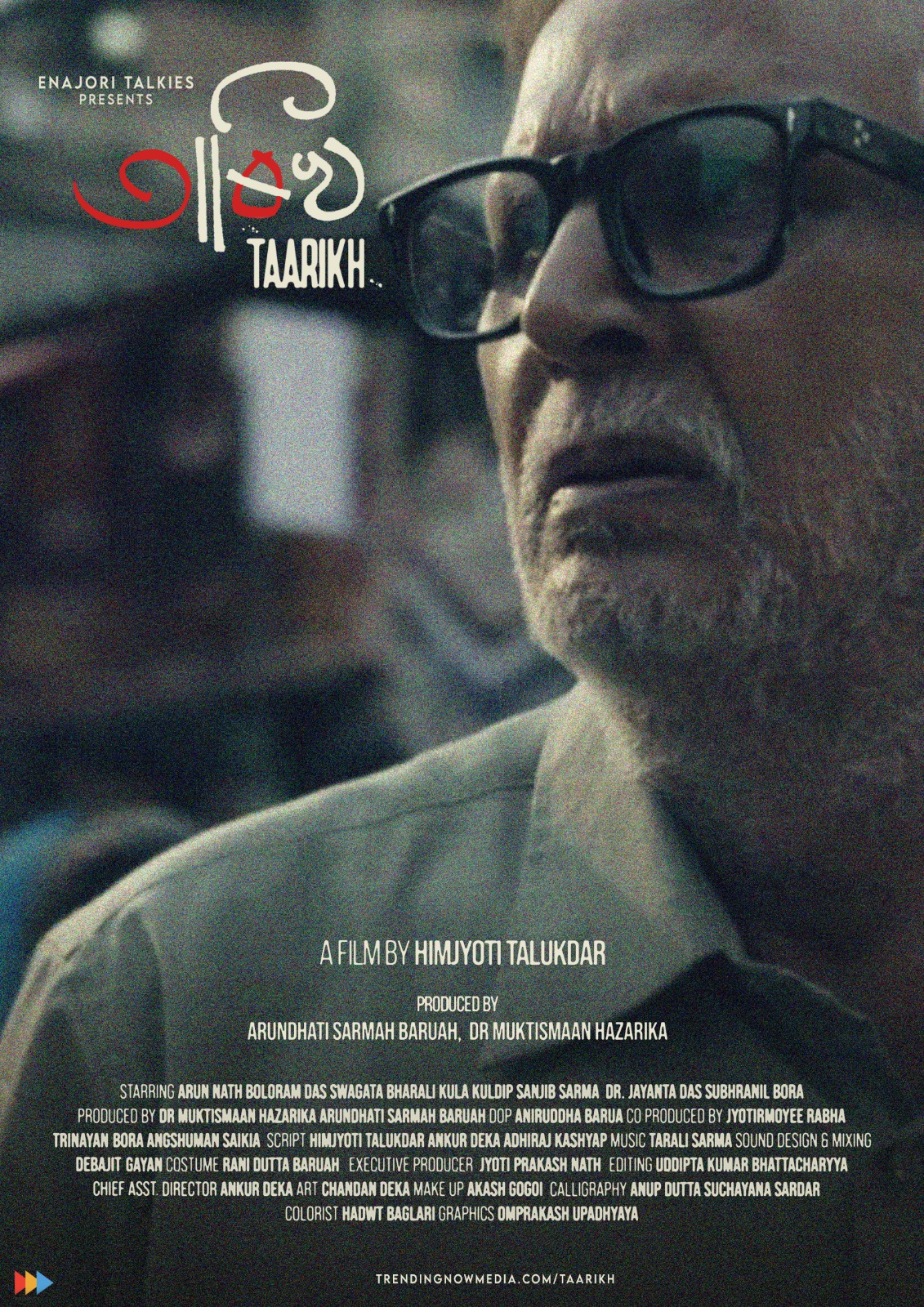
Indie Film Review “Taarikh” A blunt force study in severe inner devastation meeting the beauty of unbridled compassion that confronts it

WATCH THE TRAILER BELOW:
First, the Recap:
Enveloping, overwhelming inner upheaval. It would most certainly be considered a state of being none of us wish to ever say we’ve experienced. To find oneself having to embody, much less live with, such a drastic, crushing actuality is truly beyond imagination. Yet, there are those in the world who get involuntarily forced to exist within this scope of mindset, impacted by events that have created, shaped, and since dictated it. The question then remains….can someone so far gone into this ever find a way out? Does anyone really care enough to even help?
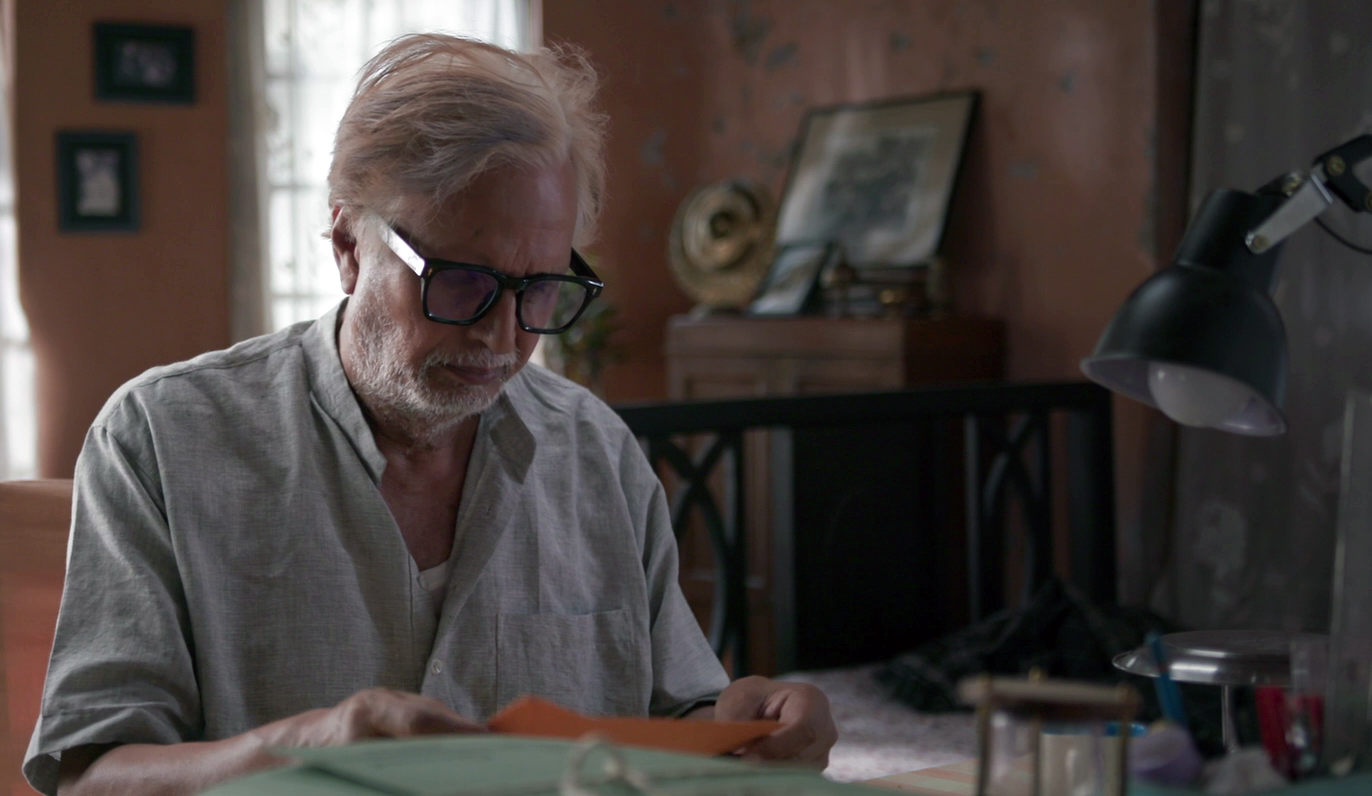
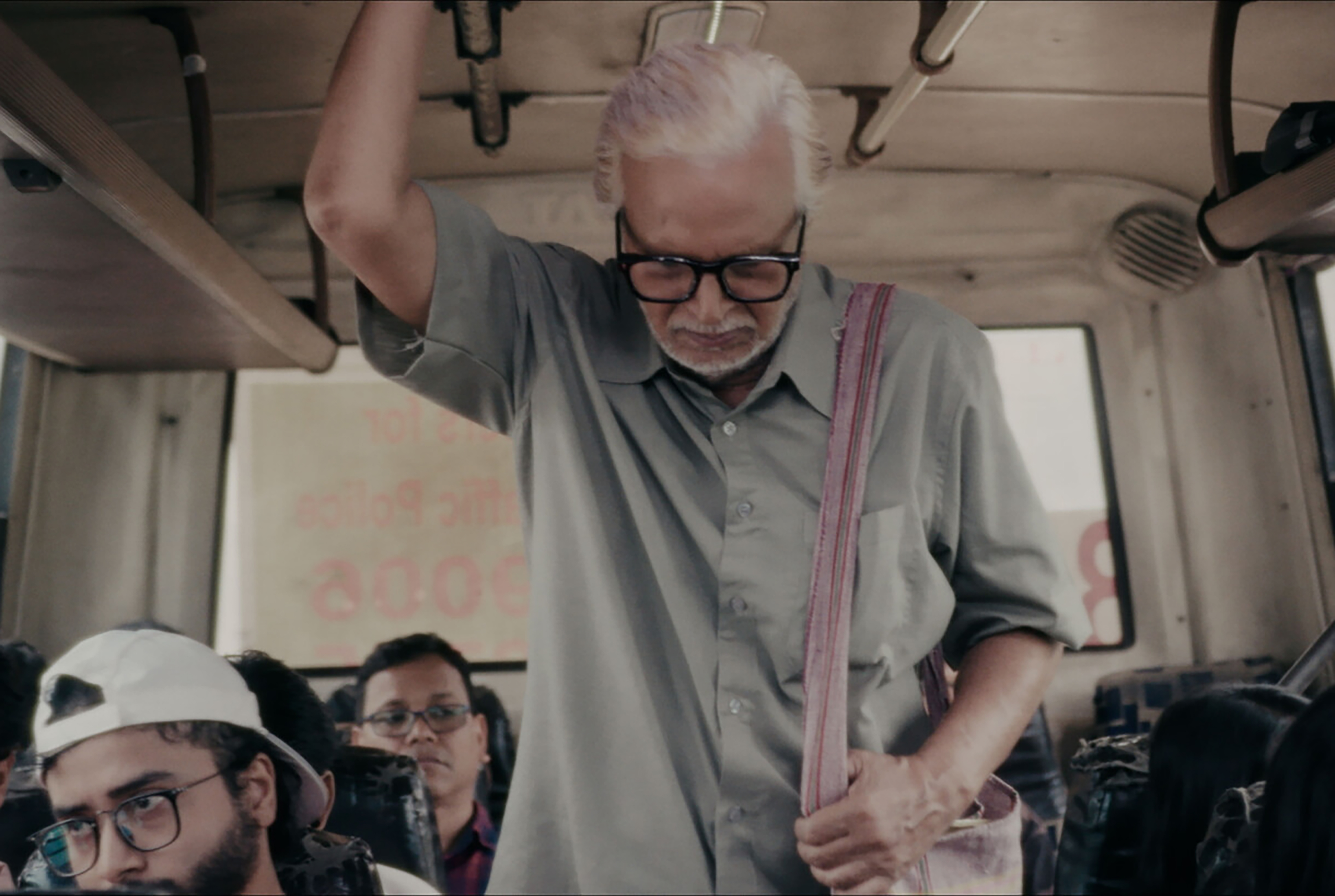
Durlov Dutta (Arun Nath) is a man deeply immersed in such a frame of mind and soul. Effectively cut off from the world other than to run a daily errand born out of his shattered mentality, Durlov stays home and relives the event that altered his life forever, completely for the worse. Anuran Hazarika (Boloram Das) is a local journalist with his own demons to battle, looking for a story to tell that actually means something. As the two men’s lives inexorably come to a point of intersection, will it become an unexpected path to healing they’ve both needed?
Next, my Mind:
When taking a look at the current world which surrounds us on a daily basis, what is sadly evident is the lack of genuine kindness. The willingness to sacrifice our own agendas for the sake of helping others in need seems like a lost mentality, one that is also conspicuous in the effect it has on our society. We all have our plans, our hurts, the things we struggle with and/or against. However, what happens when our OWN need for release coincides with an unanticipated yet calculated effort to be there for and support another facing the same fight as you are? What would you put aside within yourself in order to see this other person set free? This critic feels these are some of the foundational queries that get explored through this unbelievably potent, dramatically intense, tragically relevant, and wholly stirring 86-minute indie feature film from writer/director Himjyoti Talukdar, writers Ankur Deka and Adhiraj Kashyap, producers Arundhati Sarmah Baruah and Dr. Muktisman Hazarika, co-producers Trinayan Bora, Jyotirmoyee Shree, and Angshuman Saikia, plus executive producer Jyoti Prakash Nath.
A soaring testament to the unique emotive force that is very consistently exhibited in South Asian film, the narrative here follows an older man trapped within the confines of his own internalized and highly debilitating trauma thanks to an unimaginably jarring occurrence in his past that’s now left him in silence and soul-crushing, mostly veiled mental isolation, even as a glimmer of hope arises that could liberate him. While the film’s core incident being referenced was a devastating true event that took place in Assam, India in 2008, the story and its associated characters in themselves are fictional (think similar overall approaches like “Titanic”, for example). But, this does not REMOTELY take a single magnitude of realism, intent, or messaging away from the project, which utilizes a slightly slow burn pacing to draw you in, engaging with your mind in a manner where the primary answer you’re waiting for is purposefully undisclosed until well into the film. This is fantastically effective to me, as it allows for that questioning you have to stew and simmer over while the elements come together for the ultimate revelations and resolution.
This style of character and narrative development is common in independent film, a welcome relief for this critic, as I personally enjoy something that MAKES me pay attention and really try to ascertain the reasoning behind events being depicted, with that eventually provided divulgence becoming the perfect release when it arrives. Plus, in this film’s case, the aforementioned slow build delivery leaves room for the sub-stories being presented to grow and naturally culminate to merging with the main thread, lending a power and strength to everything that truly nails you square in the heart. The scope of the narrative’s path in showcasing the utterly shattering and painfully lingering aftermath of trauma is actually portrayed with a surprising degree of subtlety that almost belies just how far into the depths of it the protagonist really is. The brilliance of direction in this, however, is that it makes what manifests during the film’s pivotal finale just achingly, tear-inducingly heart-wrenching through the emotional emancipation on display. Afterwards, suffering has turned to cathartic, unbound joy in how the story wraps up. Simply sublime for this critic.
An underlying thematic bend sees what I felt were some applicable and VERY true stabs at the realms of media and its faults. The sense of double standards, sensationalism, cheapening of what IS news, the fleeting “importance” put on stories that then get forgotten by the outlets, and the “cell phone news” culture we live in where EVERYTHING gets broadcast all have their moments on screen. It provides this added layer to things that isn’t out of place at all. Additional forays into what real compassion is, what one person CAN achieve to change another person’s life, and the ripple effects such as singular choice can cause to come around also have their time to shine, and this in particular is what gives the film it’s essential heart beneath the portrait of internal contention that, as previously stated, forms the film’s cornerstone examination. ANY film that is willing to address the seriousness of PTSD or any form of mental health issues deserves attention as NECESSARY, to keep reminding us of that it can spur contemplation, awareness, and, ideally, ACTION for us to find ways to HELP our fellow human beings. A better world, people.
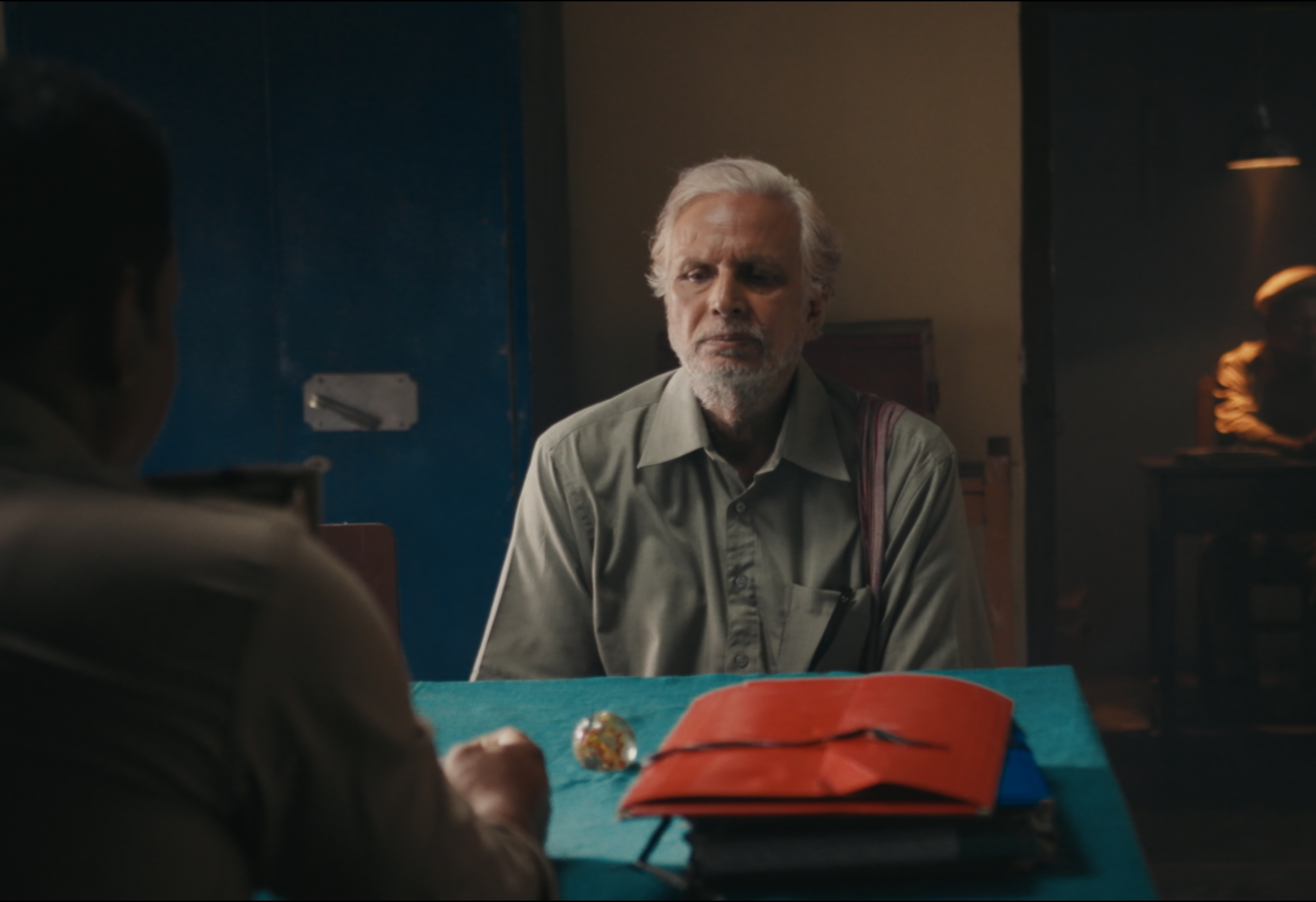
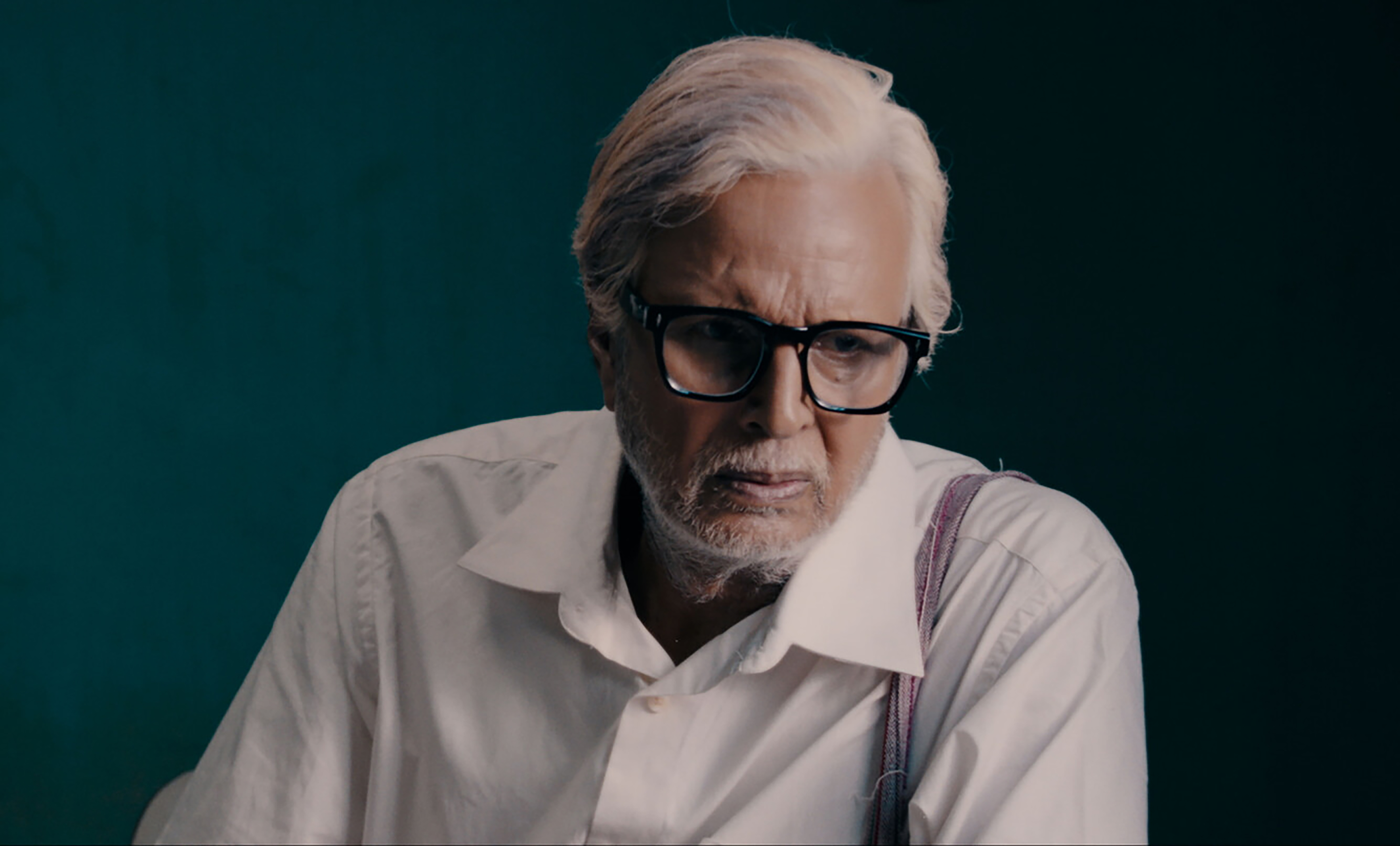
Nath is nothing short of magical in his performance here, providing a true masterclass in authentic, understated, and impactful acting through his role as Durlov, a man only wanting to live again but has been haunted, tormented really, by an actuality he cannot handle or process, retreating into himself for thirteen years after it happened. Even with the little but significant steps he remains doggedly committed to to get answers he’s sought, any semblance of progress is all but constantly thwarted. But, when a local journalist takes vested interest in Durlov’s story, it could become a catalyst for radical transformation that they both require. Nath almost never even speaks a WORD throughout the film, but his ability to adeptly communicate the extent of both pain, confusion, hopelessness, dejectedness, and determination the character experiences by body language and facial expressions alone is just amazing. By the time he does emote with any more blatant force, it just punches you emotionally with the credible measure of mental acquittance the moment represents. Incredible.
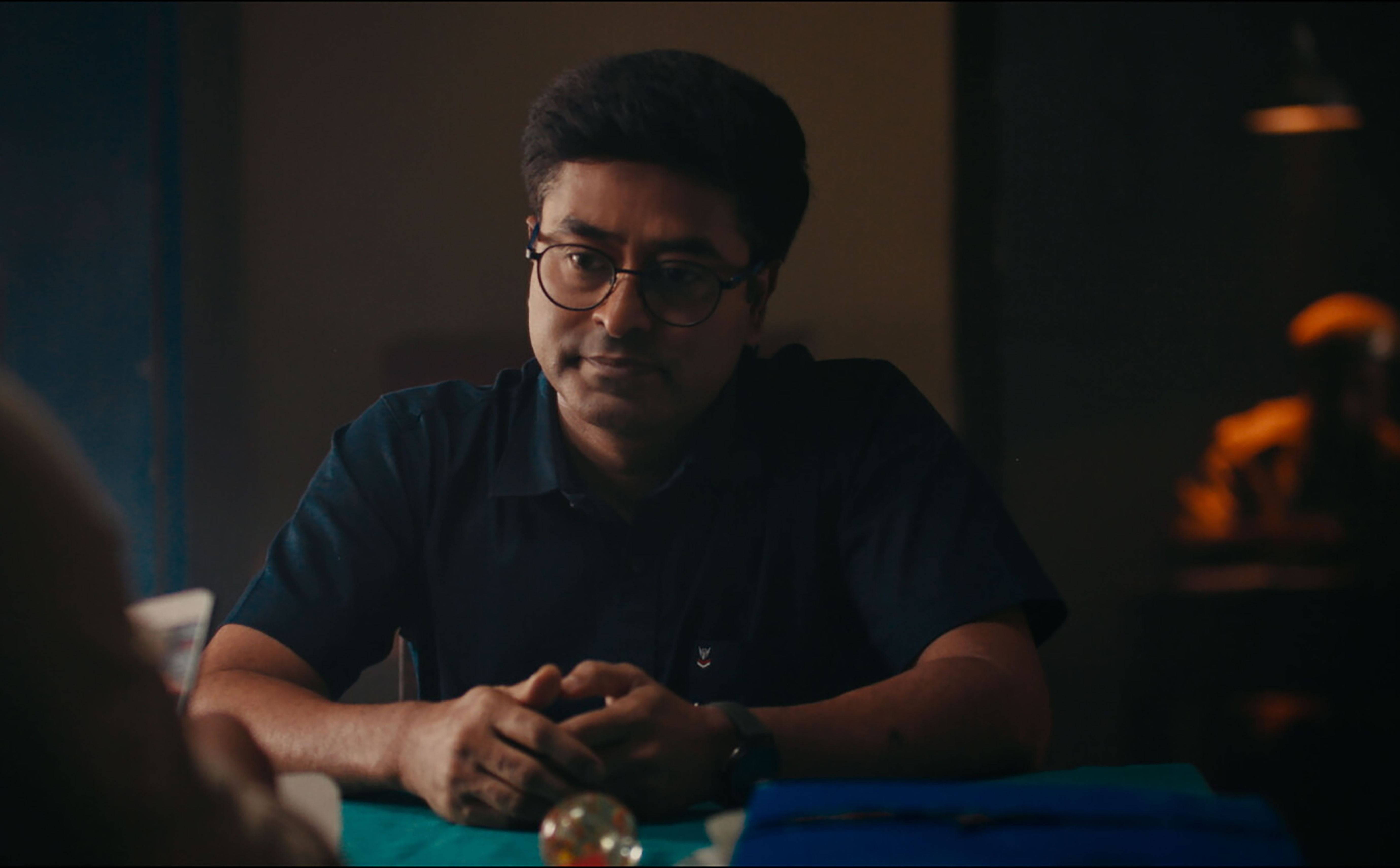
Das exudes both an energetic and subdued demeanor that ebbs and flows with the tone and mood of the film’s narrative, and as his character finds himself confronting his own past as well as the innate desire to HELP someone else find their way back to reality and solace within, through his role as Anuran, a Guwahati-based journalist whose longing for a story that contains actual substance. Upon factors working with him that bring Durlov into his sphere, Anuran embarks on a personal crusade to find out more about what his subject’s condition is and the cause of it, prompting him to search out any and all means to aid Durlov in recovering his quality of life that’s been dormant for so long, lost in a haze of fully understandable but crippling shock. What endears you to Anuran is not just how adamant he is to assist and support Durlov, but that he convinces others, both close and new to Durlov, to realize the validity of the endeavor and also contribute. The means to influence people to DO good and think outside of themselves is no small feat, and how Das navigates Anuran’s character through it is exceedingly inspirational. Period.
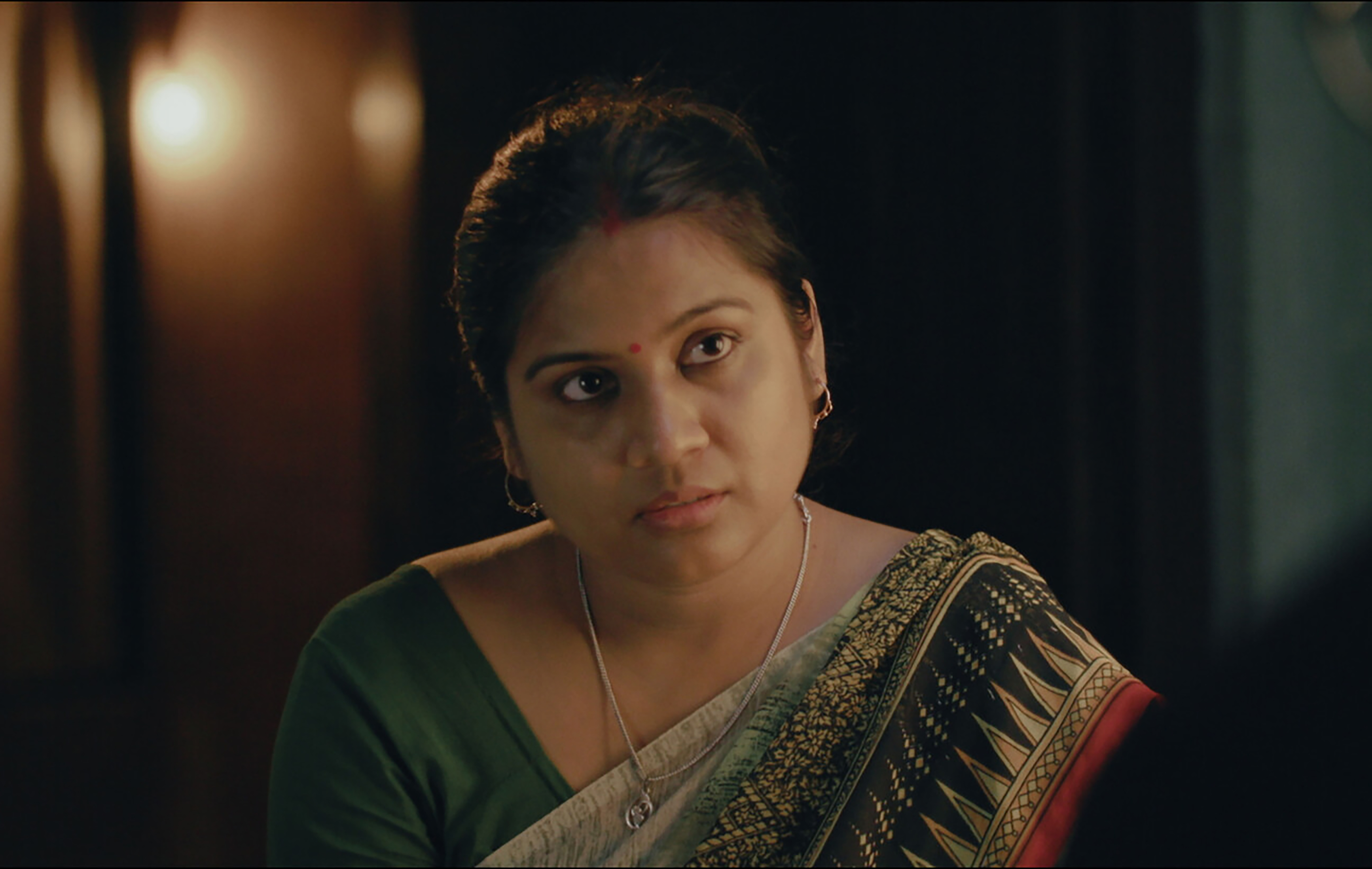
Primary supporting roles come to pass through Swagata Bharali as Rhada, Durlov’s housekeeper and neighbor who has taken charge of watching over him and being caregiver to the best of her ability and time thanks to her own family’s ties to him and his over the years, and Kula Kuldip as Basanta, a local mechanic and Rhada’s husband who sometimes has initial reservations about his wife’s commitment to Durlov but stands by her and Durlov’s wellbeing just as adamantly. Additional supporting turns arrive here from Sanjib Sarma, Dr. Jayanta Das, and Subhranil Bora along with several special guest appearances. So, in total, “Taarikh” is not just an exemplary South Asian indie film effort, but a battle cry to us as people to recognize, react to, and reconcile the fact that we NEED to be there for one another instead of polarized and self-serving. Those who are so fiercely fighting with the devitalizing impact of PTSD and related conditions have the undeniable yearning for someone to just reach out and show sympathy, much less go the extra mile to help them get free. Let’s stop believing we can ignore them, but rather demonstrate what this film so deftly does…..that reliable, unfeigned, earnest altruism DOES still exist for us as humanity.
STAR RATING (OUT OF 5):

As always, this is all for your consideration and comment. Until next time, thank you for reading!