Indie Film Review “Where There Is Love, There Is No Darkness” The will to soar above the most challenging of circumstances gets placed on powerful, dynamic, decidedly human exhibition

WATCH THE TRAILER BELOW:
First, the Recap:
When do we most yearn for home? We might take it for granted initially, being apart (due to whatever present circumstances) from the place we consider our genuine place of habitation, just HOW much we desire to return to it, that which is familiar, safe, warm, and loving. However, would it not be FAR more apparent when WHAT has drawn us away has taken us not ONLY out of home, but also away from our native land, leaving behind ALL we cherish, having no choice but to maintain HOPE we WILL come back? How strong is that yearning now?
In the thriving city of Paris, Senegalese migrant worker Seydou (Oumar Diaw) finds himself experiencing the isolation and harsh realities of simply surviving in a place that is so vastly foreign to the simple beauty of his true home in the Fouta-Toro. A bicycle delivery man working to utter exhaustion day in and day out to provide for his growing family back home, fellow migrants plus an unanticipated bond with a old widower named Albert (Albert Delpy) will become catalysts for Seydou to rediscover the most precious thing they’ve all been away from too long…sincere love.
Next, My Mind:
There is such a potently bold yet at the same time inherently subtle majesty present within the realms of storytelling as seen through the eyes of independent filmmakers. The means by which they can craft a tale so beautifully focused on characters that we, as the viewer, cannot help but be drawn to, engaged with, and absolutely root for. It’s the situations they’re in (good and challenging), the settings, the manner in which the camera embraces not just the individual, but everything around them that makes up the fabric of what the journey entails, leading us (we hope) to a conclusion that will be one that fills us with good feelings rather than further trepidation. What then makes this critic realize the innate value of such explorations is that it doesn’t have to be overtly sweeping or complicated in execution to allow such thoughts as above come to life, touch the heart, and lend the air of relatability that is so often missing in the mainstream film world.
As such, when it comes to this new 76-minute indie feature from writer/director/producer/editor Stevan Lee Mraovitch, producer Svetlana Loshchatova, and associate producer Paulina Szczekala, the aforementioned notions above very much become applicable on every level, thanks to well-conceived, well-directed dramatic purpose and intensity, artistically and aesthetically centered cinematography, both tender and gritty realism that showcases the light and dark of its primary locale and character’s ventures, plus a transparently human core it all revolves around which cements the entire project’s intent in a way that us unavoidably stirring, affecting, and impactful. I had reviewed another of Mraovitch’s films, “Doctor, Doctor” back in August of this year and to say this new film felt like a polar opposite of that (NOT in a BAD way, mind you) would be an understatement. BUT, it just illustrates the diversity in genre, tone, and style Mraovitch possesses.
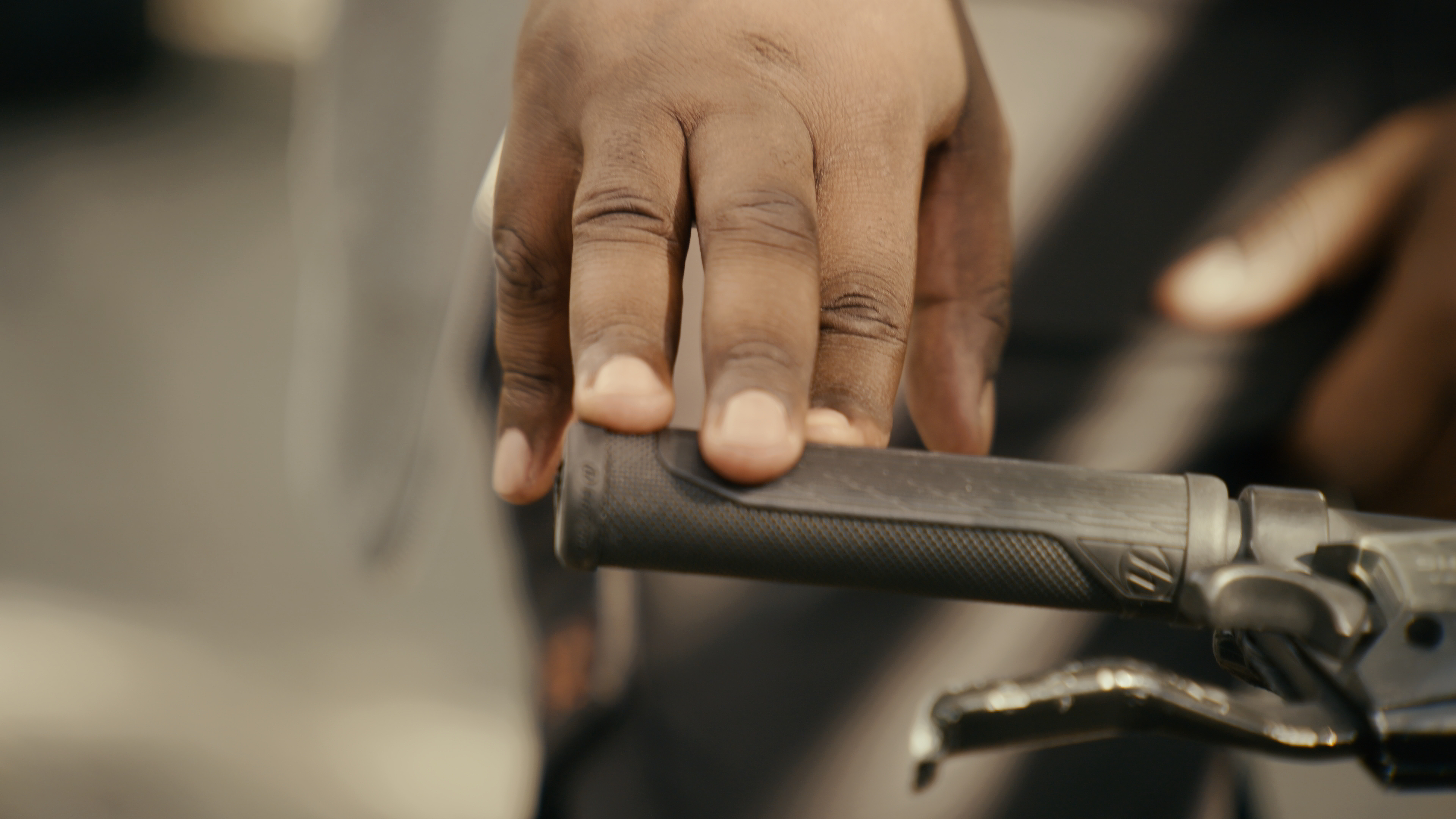
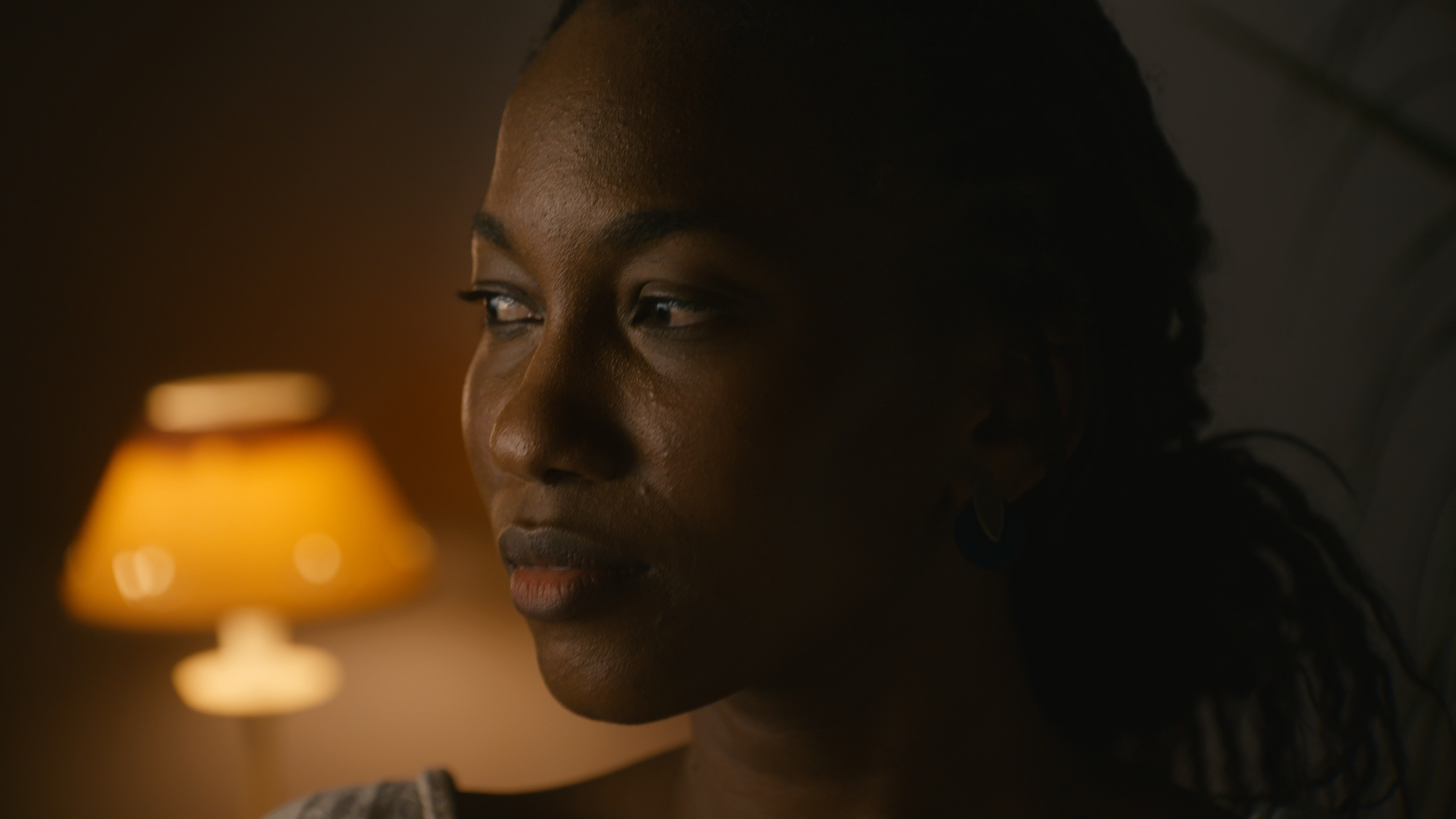
With this narrative that sees the dogged and desperate efforts of a Senegalese migrant worker in Paris who’s only goal is to get back to his native land to be with his wife and child, the atmosphere of detachment, frustration, yet ultimately unwavering, abiding power of belief and positivity is a palpable force throughout the film’s briskly paced runtime. The sheer weight of understanding we are privy to, through Seydou’s perspective, exemplifying doing what one must to provide and LIVE even in the most deeply fluctuating situations, alone is inspired as depicted. It is the plight of migrant laborers, the corrupt people who are truly doing nothing but using them and their condition to enrich themselves, the resolute strength of the human will to overcome, and the unqualified wonder of what happens when people’s realities intersect in a way that creates newfound freedom and restoration of comfort, all showcased here to wonderfully grounded, heartening magnitudes.
The pain of separation, culture shock, recollecting what is most cherished and missed when it comes to being away from all we truly want, the bonds of brotherhood, and sticking together during times of adversity are a few other foundational themes we see throughout the film as well. The third act, where an even bigger key connection between two characters is made, followed by the finale that comes from it and all the other factors we’ve seen building up, really does the grander film justice, leaving you with a complete, encompassing sense of not just satisfaction, but a tangible joy about what humanity IS capable of when at its BEST. It’s needed messaging in this current world, and I applaud Mraovitch for not shying away from showing the trials life can bring, just not at the expense of also being willing to provide a cathartic positivity amidst it all. Even visually, the relative starkness of the imagery gets instances of vibrant color that I felt speaks to this mentality, too.

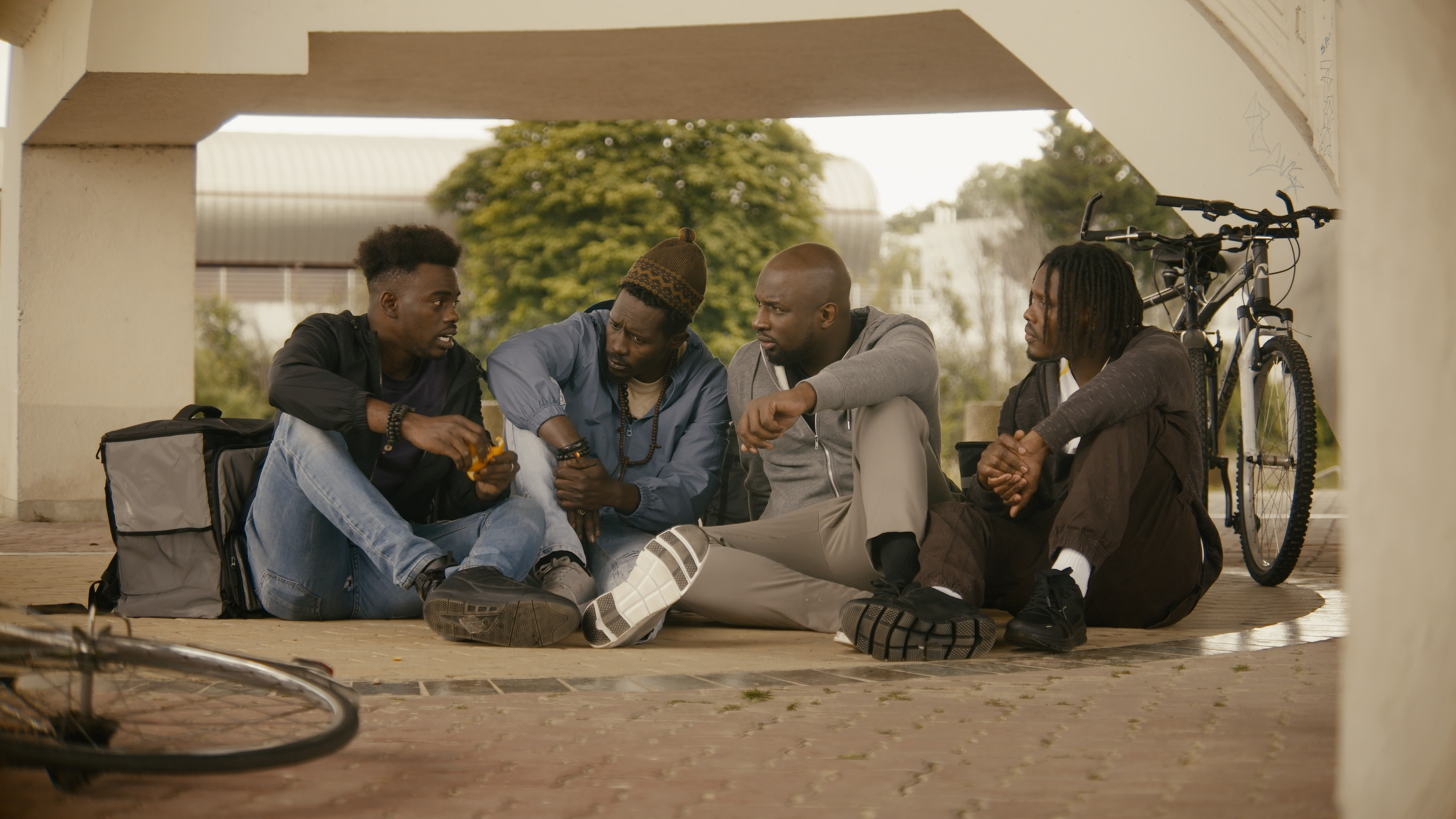
Diaw’s performance, for this critic anyway, is a veritable tapestry of excellently controlled energy, passion, urgency, authority, and raw emotive strength yet so adeptly tempered by an undeniably conspicuous understated vulnerability that molds together to form the picture of a man both on the edge yet holding fast to his personal convictions and the relentless drive to accomplish what all his efforts are aimed at…to get back home. This is of course through Diaw’s role as Seydou, a migrant worker in Paris, not completely there of his own desire or ambitions necessarily, but out of the necessity to provide for whom he has had to leave behind. As he, and fellow migrant friends, work tirelessly under the thumb of the criminal elements that hold sway over them financially, Seydou’s constant goal of getting back to his wife and family keeps him steady, even as so much around him seems to work against all he desires.
But, when a random delivery on his bicycle route brings Seydou in touch with an old recluse and the story that accompanies him, it opens up both men to new and much needed, renewed outlooks on their respective lives that will change them both. While these particular interactions don’t happen until a little later in the film as a whole, the timing is perfect for it to occur, and watching Diaw navigate Seydou’s character through the emotional storms he faces is a true pleasure thanks to the utter believability and total soul in the performance that WILL move you. Primary supporting turns start with Amadou Moussa Ba, Alassane Diaw, and Al Housseynou Diaw as Malik, Moussa, and Djibril, three of Seydou’s fellow Senegalese migrant friends who are ALL striving to stay connected for the deeply requisite companionship, support, and encouragement they all long for even as they equally yearn to go back home.
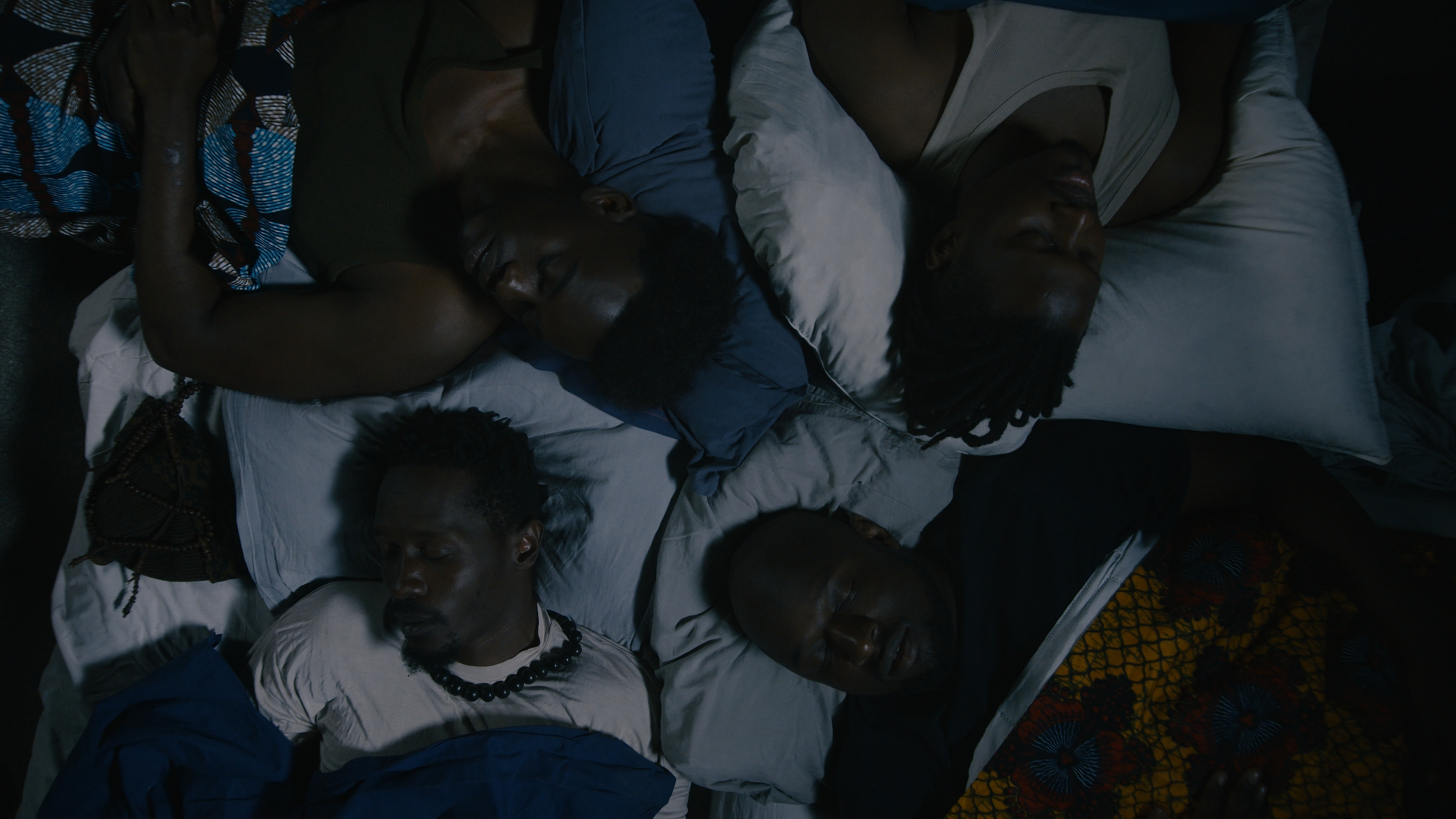
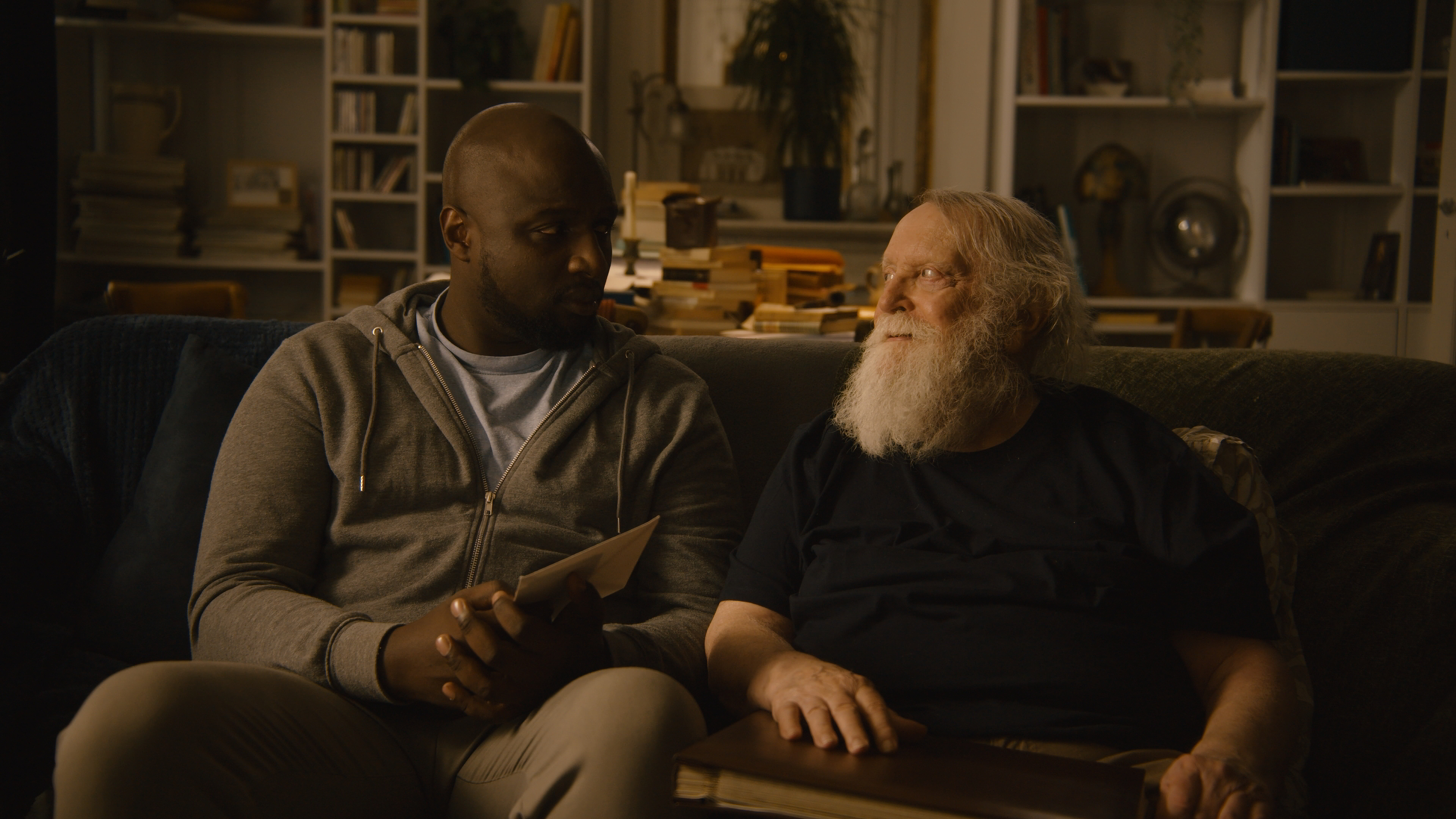
Delpy is so magnificently endearing, exuding the air of a man totally closed off from the world due to overwhelming loss that has crippled him until his condition is no longer ignored and someone unexpected comes into his life to show compassion via his role as Albert. The degrees of dramatically poignant connection and points of such gladdening and release that we see Albert’s character experience is made so through Delpy’s heartwarming performance which reflects the character confronting basic human kindness again for the first time in too long a period. Ramata Sow plays Aminata, Seydou’s wife back in Senegal with whom we see via mostly superimposed images when he calls to talk with or receives messages from her. She is his rock, the reason he’s going through what he is, and I appreciated the quiet fervency that Sow brings to the moments we see and hear her.
Other key supporting turns are made by Qingwei Kong, Jean-Claude Tran, Laïd Liazid, Jean-Paul Dix, Emma Chaibedra, Xiaoxing Cheng, Guillaume De Léon, and Issa Laffont. So, in total, “Where There Is Love, There Is No Darkness” fills its abbreviated runtime with as much worthy narrative and character development as a film twice its length, infused with an essence rooted in life, the pursuit of betterment, the triumph of will, and a declaration we should ALL strive to embrace….faith heals, hope rises, and darkness is dispelled as LOVE CONQUERS ALL.
STAR RATING (out of 5):

As always, this is all for your consideration and comment. Until next time, thank you for reading!