Short Film Review “Revolution’s Wife” War’s grasp, rebellion’s call, and the harsh reality of having impossible choices hang heavy in a tense, illuminating true story

WATCH THE TRAILER BELOW:
First, the Recap:
They say that history is written by the victors. For most this, we’d like to believe, implies that those who are the shining examples of justified conflict against tyranny, being people of belief, integrity, and pure motivations. While these facets of our manner might be involved, there is also those areas that truly appear more gray, not overtly “bad”, yet not exactly rife with absolute verity, either. Rather, they are actions born out of necessity, for a greater good, but desperate, which can still lead to means that could put those we are closest with in undue danger.
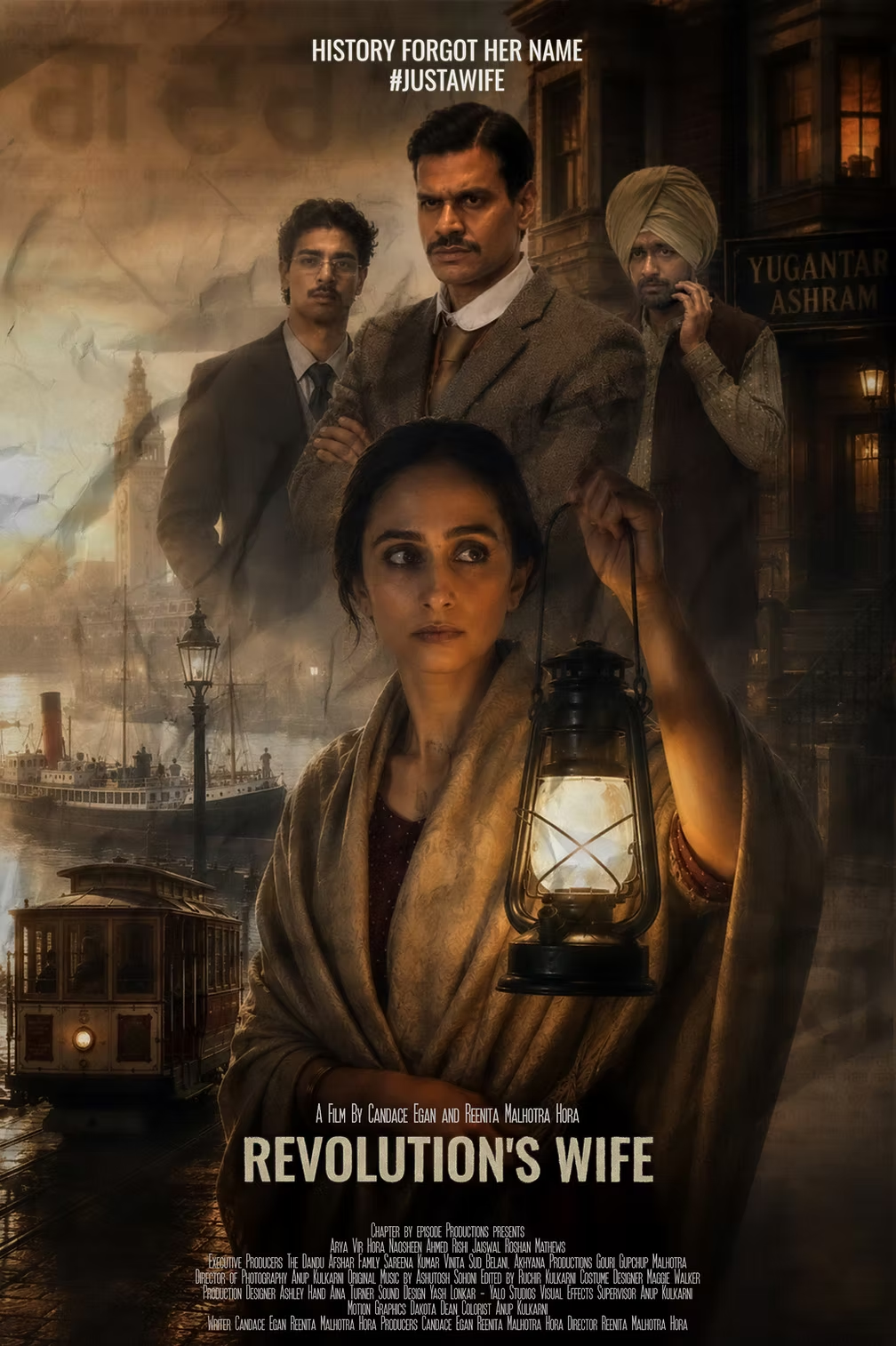
World War I is in full swing, though in its later years, and for San Francisco-based Padmavati Chandra (Naosheen Ahmed), there will come about a decision she will be forced to make that could alter all she knows in her life. With her husband, Ram Chandra Bhardwaj (Rishi Jaiswal) aiding in the cause to end British rule in India while distributing revolutionary publications from the Gadar Party’s home base within Yugantar Ashram, his secrets that suddenly come to light reveal three choices: protect the cause, save herself and their kids….or do what it takes to simply survive.
Next, my Mind:
True history and dubious events being exposed take center stage, casting a revealing, tension-building, and sobering light on a well-known global conflict, World War I, but showcasing a very little known aspect of it as seen through the eyes of one of the very first Indian women to be in, much less reside within, the United States. It was already a tumultuous time for the world to begin with, but another integral and equally vital battle was being waged…India’s fight to be free of British rule. This becomes the focal point for a thirteen and a half minute journey arriving courtesy of writer/director/producer Reenita Malhotra Hora and writer/producer Candace Egan, which honestly feels so much more like a proof of concept than necessarily a self-contained effort. This isn’t saying the film as it is doesn’t deliver a full story, but the curiosity about the deeper factors and details that would ultimately lead to the Hindu-German Conspiracy Trial peaks when viewing.
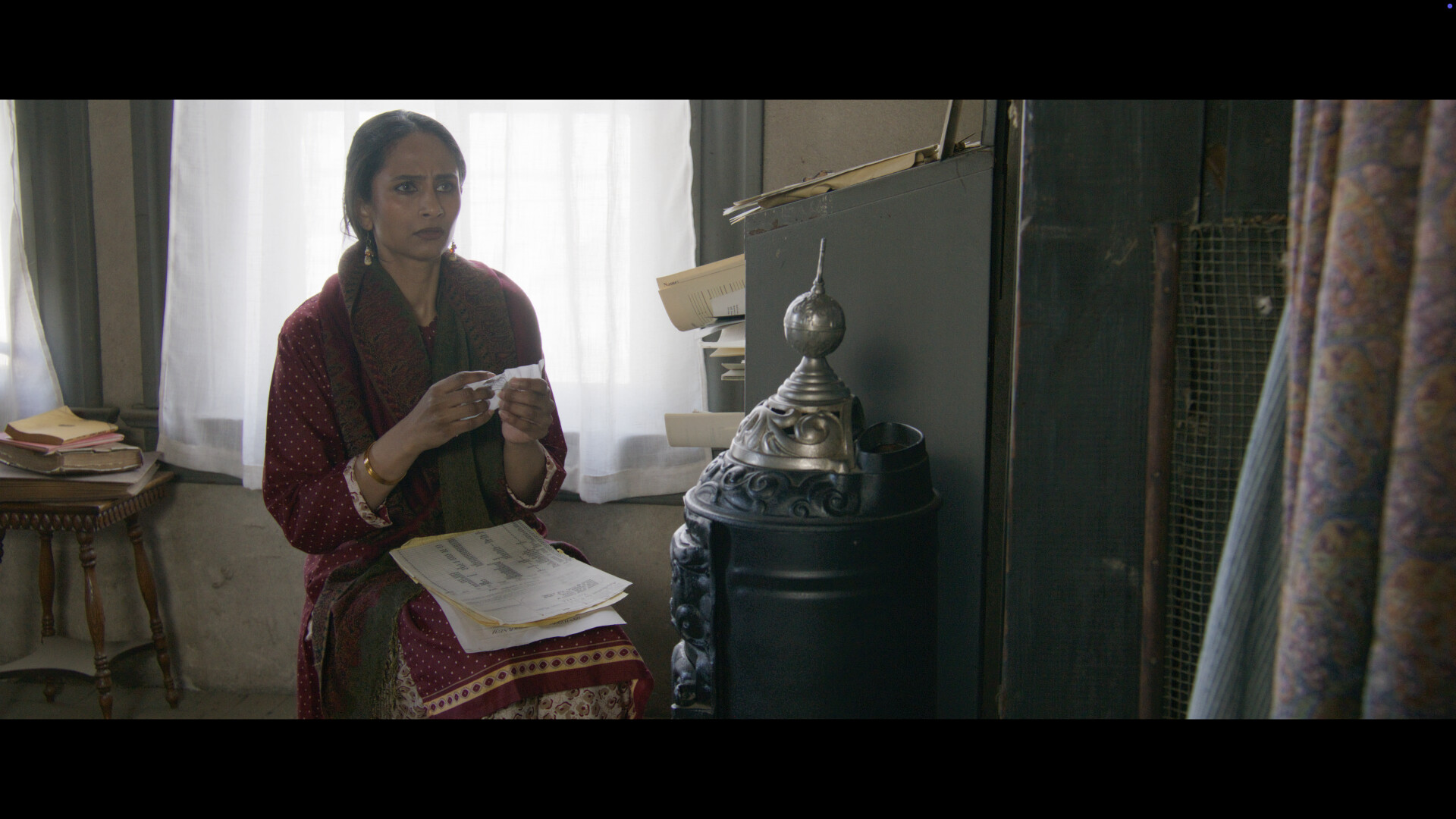
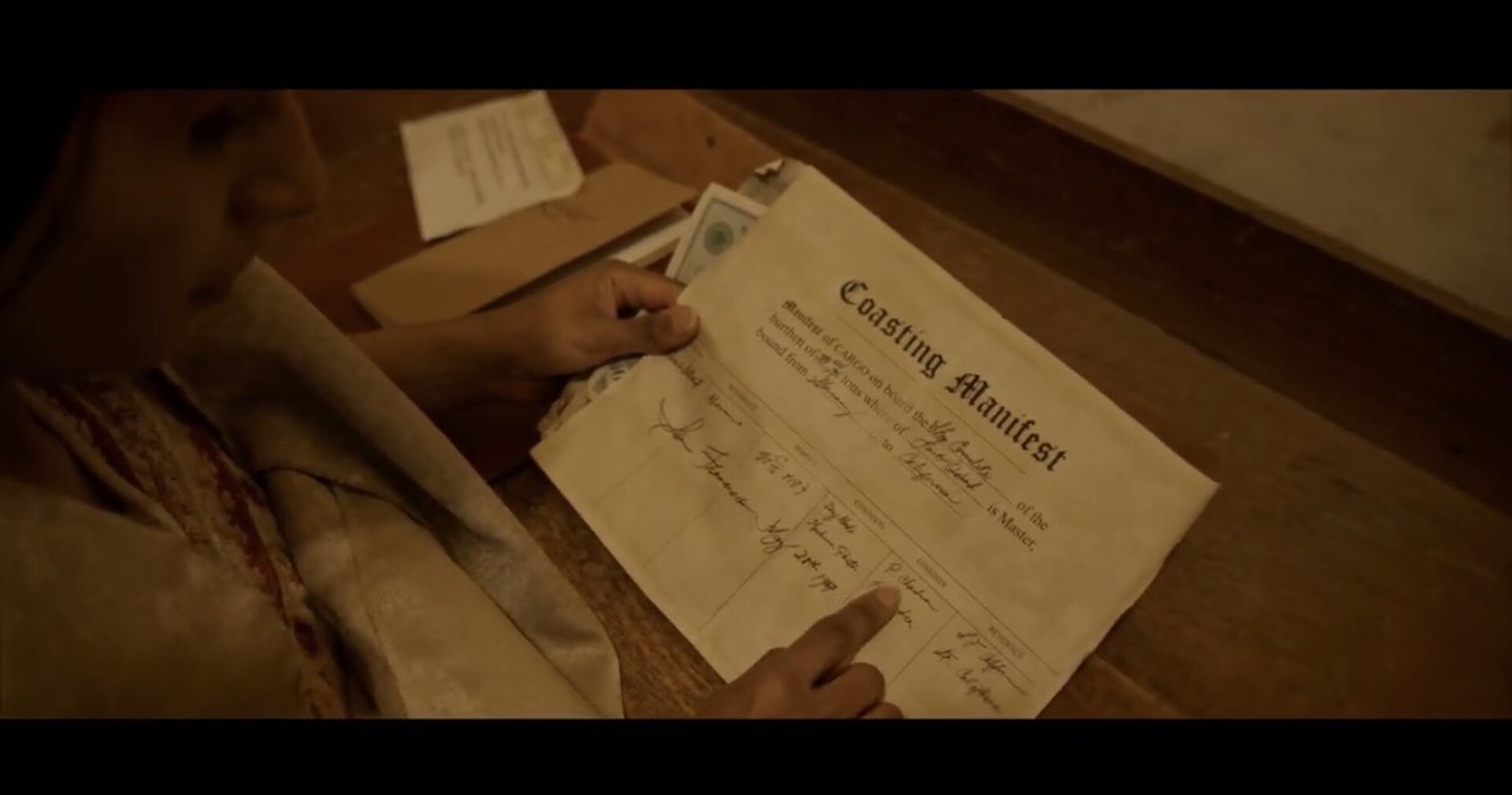
Spending its time and hitting you vigorously from the start with a growing sense of unsettledness happening, the narrative and true-event-based foundation sees Padmavati Chandra start learning that her husband’s activities to support the revolution back in India against the British could be coming about through deals with the figurative devil, Germany, and the ensuing decisions she is made to confront in lieu of it all. It’s a lesson in both desperation and personal morality, choosing what to sacrifice or not, and the cost associated with it no matter what. There’s that inner dilemma that Chandra had to face, and then not only move forward, but live with it afterwards. Is there satisfaction she has done the right thing? Does it spell a firmer support of her home country’s plight? Will it save her and her children in light of her husband Ram’s arrest? What does it mean for the future and her own conscious?
It’s these types of inward dialogues we can envision Chandra experiencing , even when she HAS made the choice that she did. It still lingers with you afterwards, wondering what WE would have done in a similar circumstance. Additionally, what is it about being in the midst of hostilities against that which we treasure that turns into the catalyst for acts both brave or brash? One might wish that at least we’d have times of peace to be able to fully think through monumental choices like the one we see here without having the pressure of SO many aspects of our life that it could, or will, have an affect on. How these events transpired in the wake of Chandra’s final move is highlighted after the film itself has concluded, really giving this a (very) mini documentary tone and mood as opposed to a fictional narrative project. Plus, to think things like this were happening FROM INSIDE the U.S. at that time is unnerving, frankly.
As I mentioned above, it would be even more fascinating to see a grander documentary effort birthed out of this or even just a feature length expansion of this short film’s format via using actors for dramatic portrayals of the real life people. It was also interesting to discover the amount of time that went by before Chandra chose to come forward and be interviewed about this part of her life, which is adeptly utilized for the short film’s starting point. The entire affair comes down to an object lesson in having to entertain a “what serves the greater good” mentality, with the emotional upheaval and even traditional marriage roles also coming into play as we see the story depicted in the manner it is. And let’s face it, real life can tend to make for some of the most engaging and eye-opening stories as well, and this is one this critic had never heard about, even in all my forays into South Asian cinema over the years. Therefore, this was fresh and new.
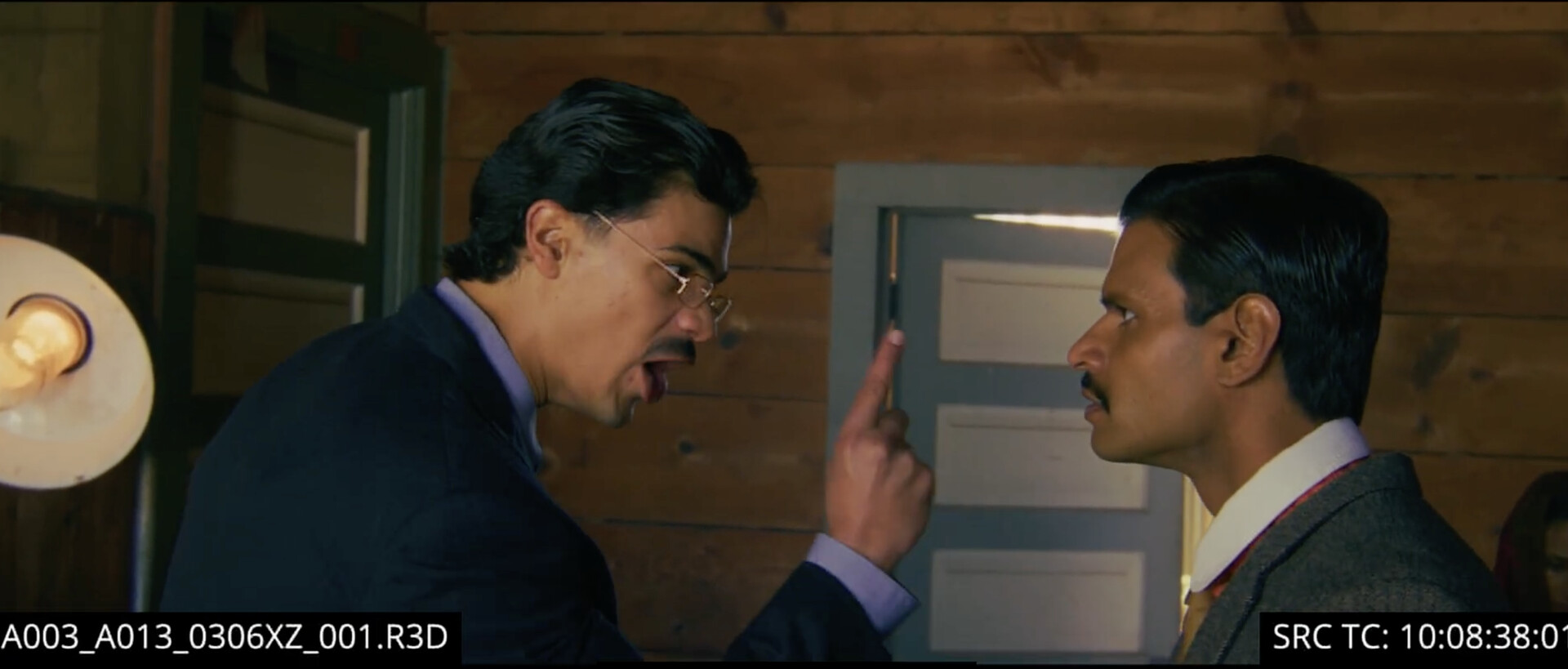

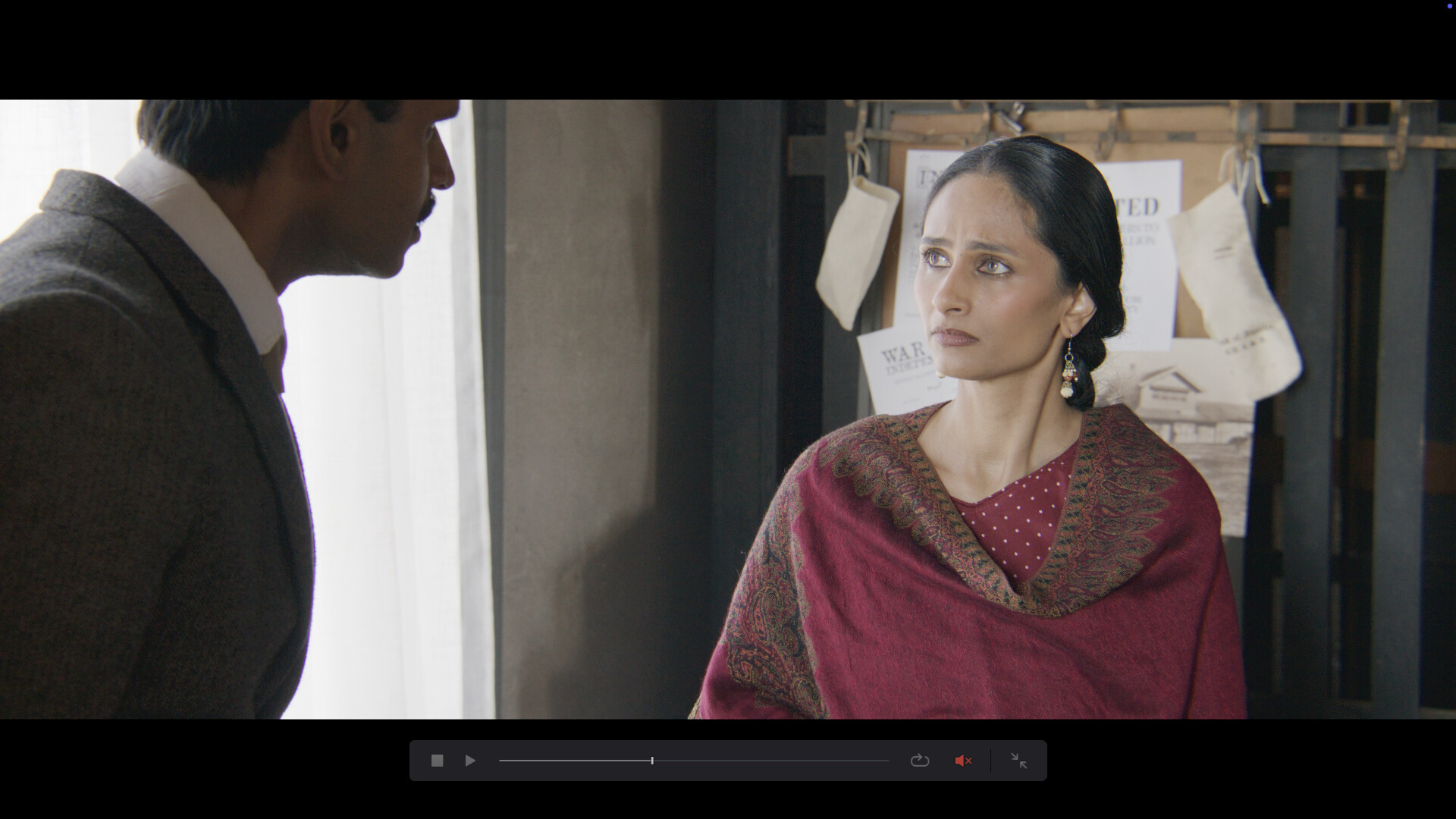
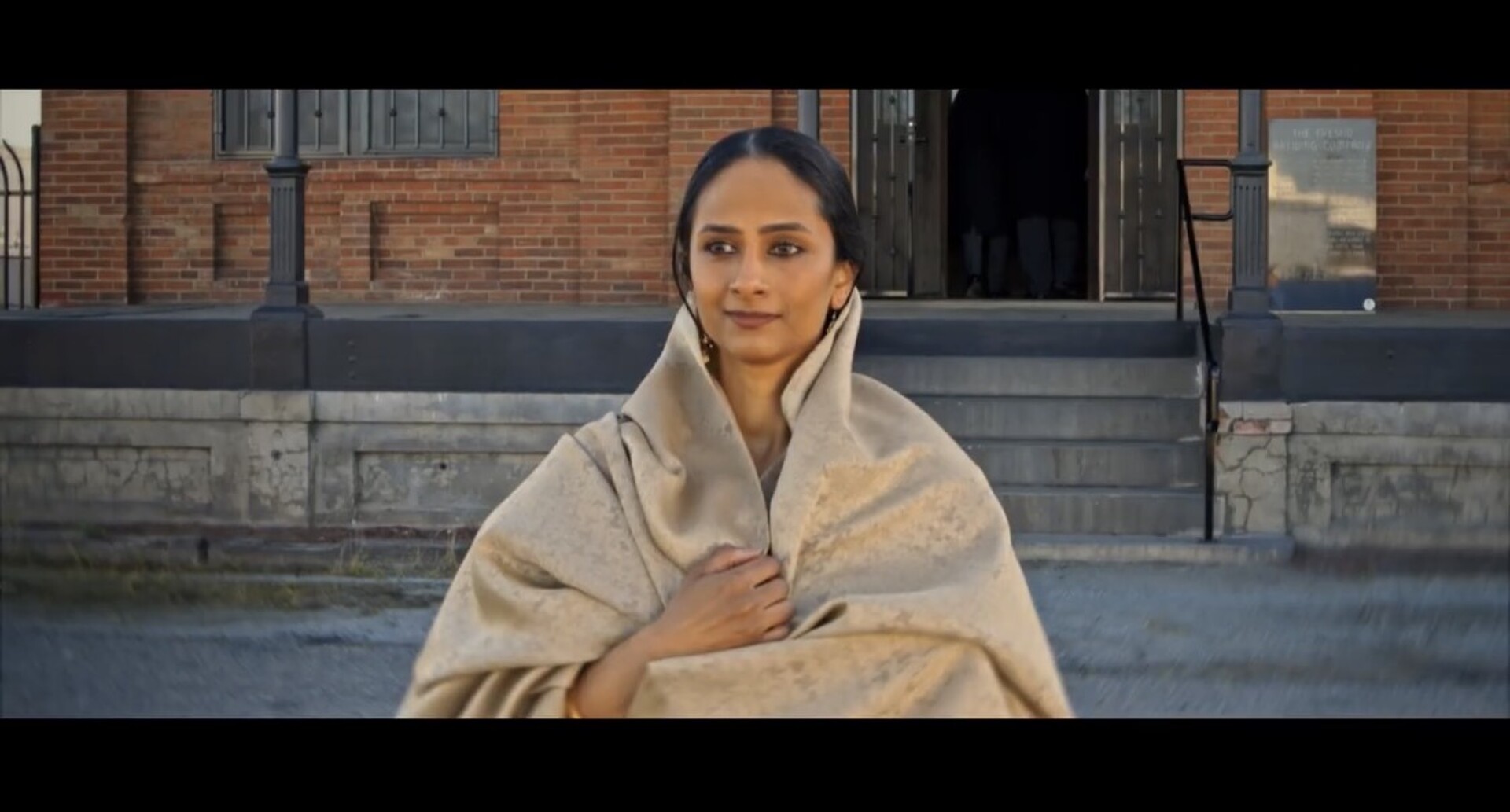
Ahmed does a fantastic job in her performance as the titular lead character Padmavati Chandra, who was already very singular in her own right as an Indian woman living in the U.S. as well as one of the first Indian women as a whole to be here. Finding herself in a suddenly formidable situation when her revolutionary husband’s business dealings and efforts to support India’s fight against British rule take a darker turn, it falls upon Padmavati to make a life-altering choice from far less than ideal options. When she does this, will she be able to shoulder the responsibility? The guilt? The gratification she’s done what was best? Or perhaps all of that? Since the film is so short, it only allows Ahmed so much screen time to totally immerse you in her character’s plight and do so with effective and affecting power, but the actress does accomplish this wonderfully and with full yet understated emotional strength that extends outward through the performance.
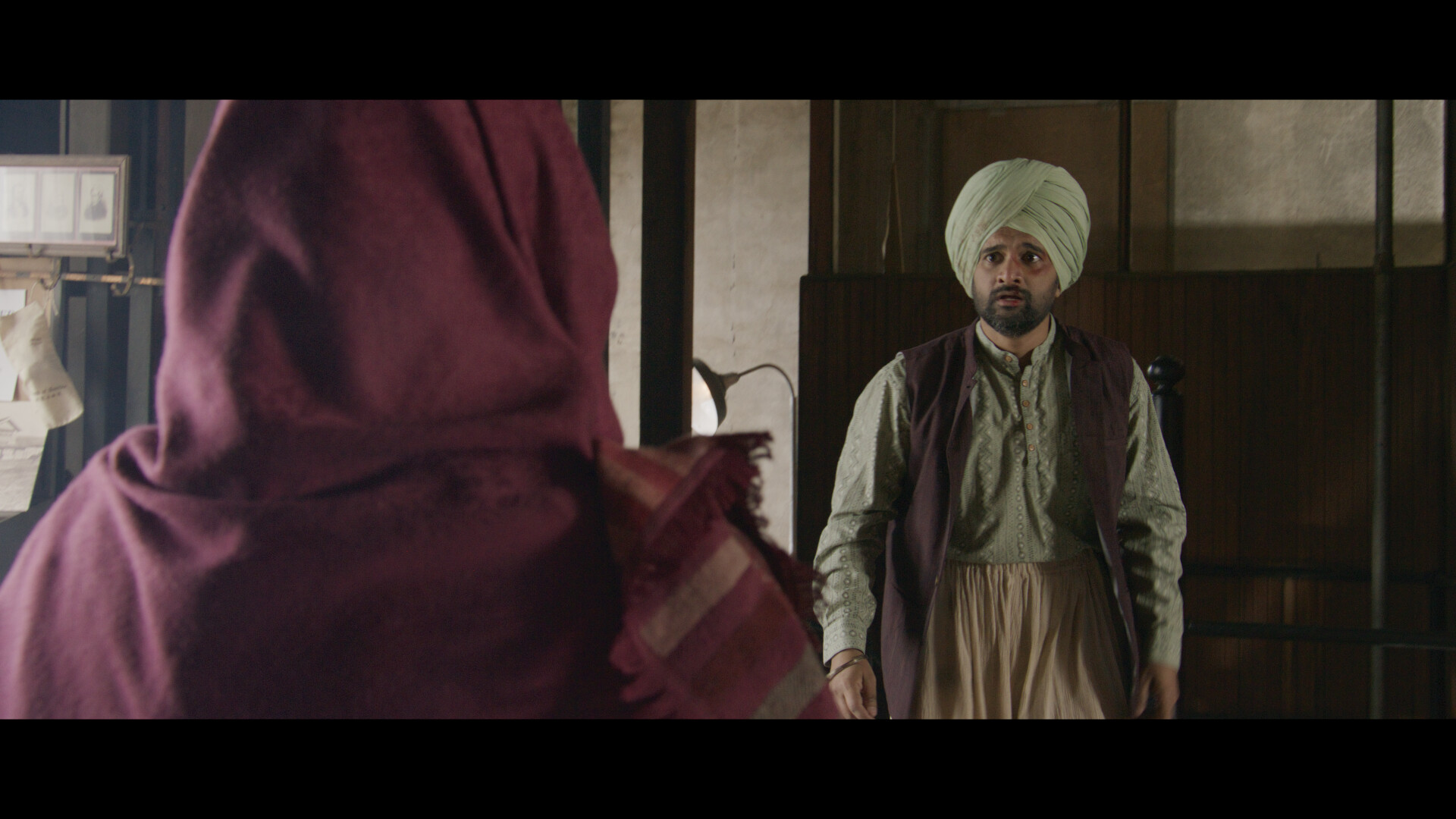
Supporting turns arrive from Jaiswal as Padmavati’s husband Ram Chandra Bhardwaj who knows when he’s been found out, yet tries his very best to remain in control even as his wife’s discontent in finding out what he’s really been up to is anything but quiet. Jaiswal exudes a very purposeful intensity that more than befits not just the character himself, but the deeply tenuous situation he’s now in. Roshan Mathews appears briefly as Inder Singh, a fellow revolutionary who comes calling after Ram’s arrest as if in anticipation of being handed or retrieving key documents that we know without question incriminate many who were involved with the shady deals Ram initiated, including his own wife. Mathews also puts forth a firmly evident sense of the distress they are all under through his performance, utilizing an even briefer time on screen to sell it to us credibly. Arya Hora also appears as another faction’s leader, Bhagwan Singh.
So, in total, “Revolution’s Wife” is but a snapshot of a much larger story that begs for feature film or full documentary treatment, which would be great to see from Reenita & Co. at some point perhaps, more to fully comprehend the reasoning (beyond just the surface) of why a man would put his and his family’s lives in such a precarious position, even for the sake of a perceived or legitimate just cause. It illustrates not only human nature when our back is against the wall, but the lengths we can go to in order to make things right, even if in our own mind, without truly contemplating the potential cost of others’ wellbeing.
STAR RATING (out of 5):

As always, this is all for your consideration and comment. Until next time, thank you for reading!