

WATCH THE TRAILER BELOW:
First, the Recap:
The mystery of The Great Beyond. The time no one truly wishes to entertain as a reality–death. Yet, it is an undeniable constant we cannot avoid or change, no matter how much we might try to convince ourselves we somehow could. However, amidst this often unnerving truth of endings, there also arises the power of belief, what might be AFTER we pass on into eternity. Upon losing someone close to us, especially as a child, attempting to understand it all can be equally frightening and healing.
For 9-year old Isha (Jyothi Janath), her inquisitive and generally quirky nature comes out when trying to take in the passing of her beloved grandfather. Prompting her to question where he has gone, much to the somewhat nervous but understanding reaction of her parents Indu (Suchitra Pillai) and Faisal (Shaurya Tyagi), an unanticipated adventure of revelation starts on the banks of the Ganges, leading her to a fantastical reality accompanied by the younger version of her precious Nanu (Kabir Pahwa). Soon, it will both challenge and alter Isha’s perspective about him and death itself.
Next, my Mind:
Regardless of what you hold onto via personal beliefs, religious or otherwise, the mere notion of no longer being alive and what does or does not come about in the aftermath is, as stated above, something we don’t choose to readily embrace or even accept. This struggle on its own forms the foundational core of a deeply affecting narrative as presented through this smartly creative 15-minute short film from writer/director Anjini Taneja Azhar, producer/executive producer Suchitra Pillai, producer Sudhir Narayan Sherigar, co-producers Monique Efta and Devika Taneja, plus executive producers Jacques Lafitte, Mahfuz Majumdar, Mike Morrisroe, Mia Vyzis, Ness Wadia, David Beazley, and Navroz Udwadia. As a critic, I have always tended to find a highly unique approach and execution of storytelling through South Asian cinema, and this project is absolutely no exception to this, united character, story, and impactful messaging with finesse and intent.
Centered on an eccentrically precocious 9-year old girl having to encounter the passing of a beloved grandparent, her questioning of where he has actually gone, and the unexpected, surprising, and fantastical journey she experiences to seek and be given answers is beautifully paced, taking advantage of its abbreviated runtime to intelligently flesh out a tale that is undeniably charming, compellingly candid, and wholly stirring in quick order yet without sacrificing its equally unnerving but necessary subject matter nor its importance. The atmosphere of both somberness and playfulness utilized here, I felt, was a stroke of genius by Azhar & Co. so as not to make the narrative TOO heavy to take in. To actually find entertainment, smiles, and sense of soul-moving solace from the weight of the film’s explorations into reincarnation then goes beyond this, however, and adeptly addresses larger themes of loss paired with a child’s curiosity, fears, and uncertainties.
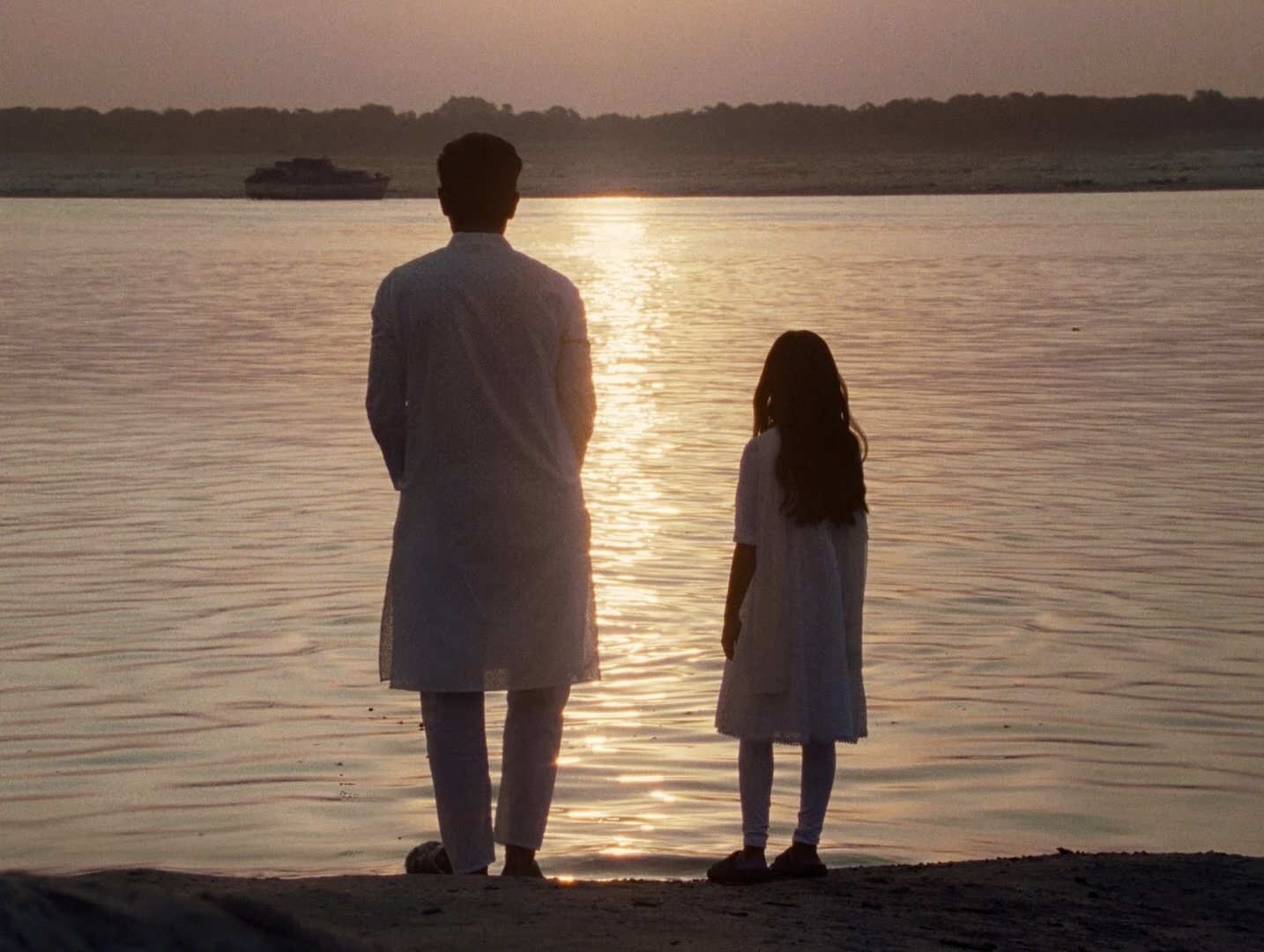
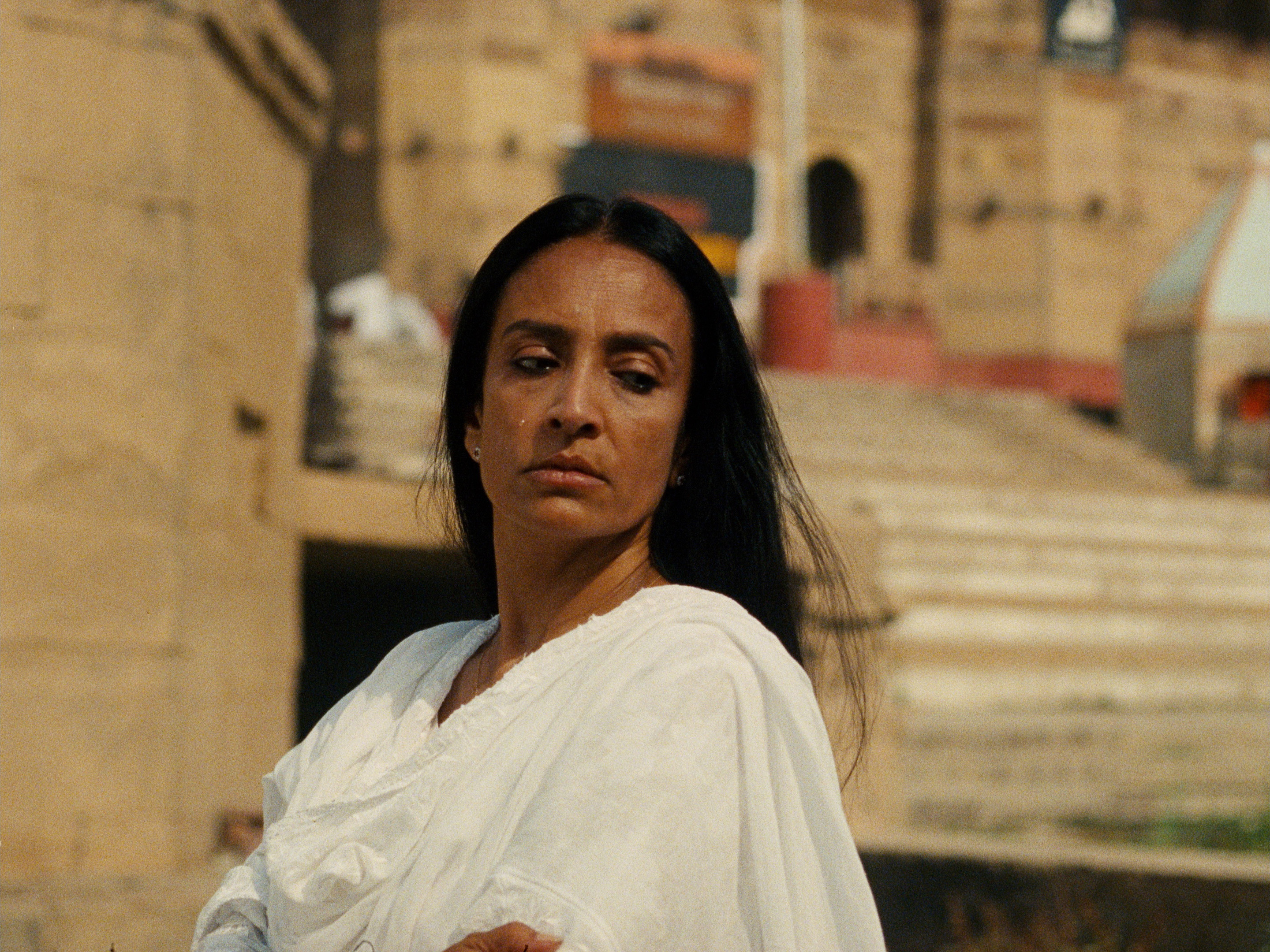
Add to it the other primary paths shown that choose to illustrate how what we learn about someone we really didn’t get the opportunity to fully engage with or even know simply allows this story to sink in even more. The employment of reality with a touch of the supernatural, in the context of a child’s imagination and comprehension of what she’s been told about her grandfather and his moving on, really cements these points into the viewer’s mind quite effectively, again conveying the messages with dramatic, humorous, mildly unsettling, and ultimately hope-filled grace and release. The emotional oscillations delivered throughout also aid in providing the film with its total relatability and grounded treatment which draws us in wholeheartedly, the needed empathy being elicited while ushering in our own inherent fascination with what DOES come after we leave this corporeal world behind.
Other thematic tangents include looks at the depth of connection we still feel for those we’ve lost, the strength and utter necessity of support and familial bonds, the very nature of existence as human beings, our acknowledgement of a finite time we have but also the power of belief in continuance, and the longing for those last moments with someone we wish we had while ideally then realizing the soothing peace inwardly we yearn for in remembering them. So much contained in such a short span, and this is precisely what makes the film have the magnitudes of influence and significance it does. Knowing from the message I had from Azhar when receiving her film just how much she not only gained living inspiration from this film via her own grandfather and his journey while having to face the circumstances that almost didn’t allow this film to actually ever BE, it makes the legacy represented through it all the more worth, powerful, and exceptional.
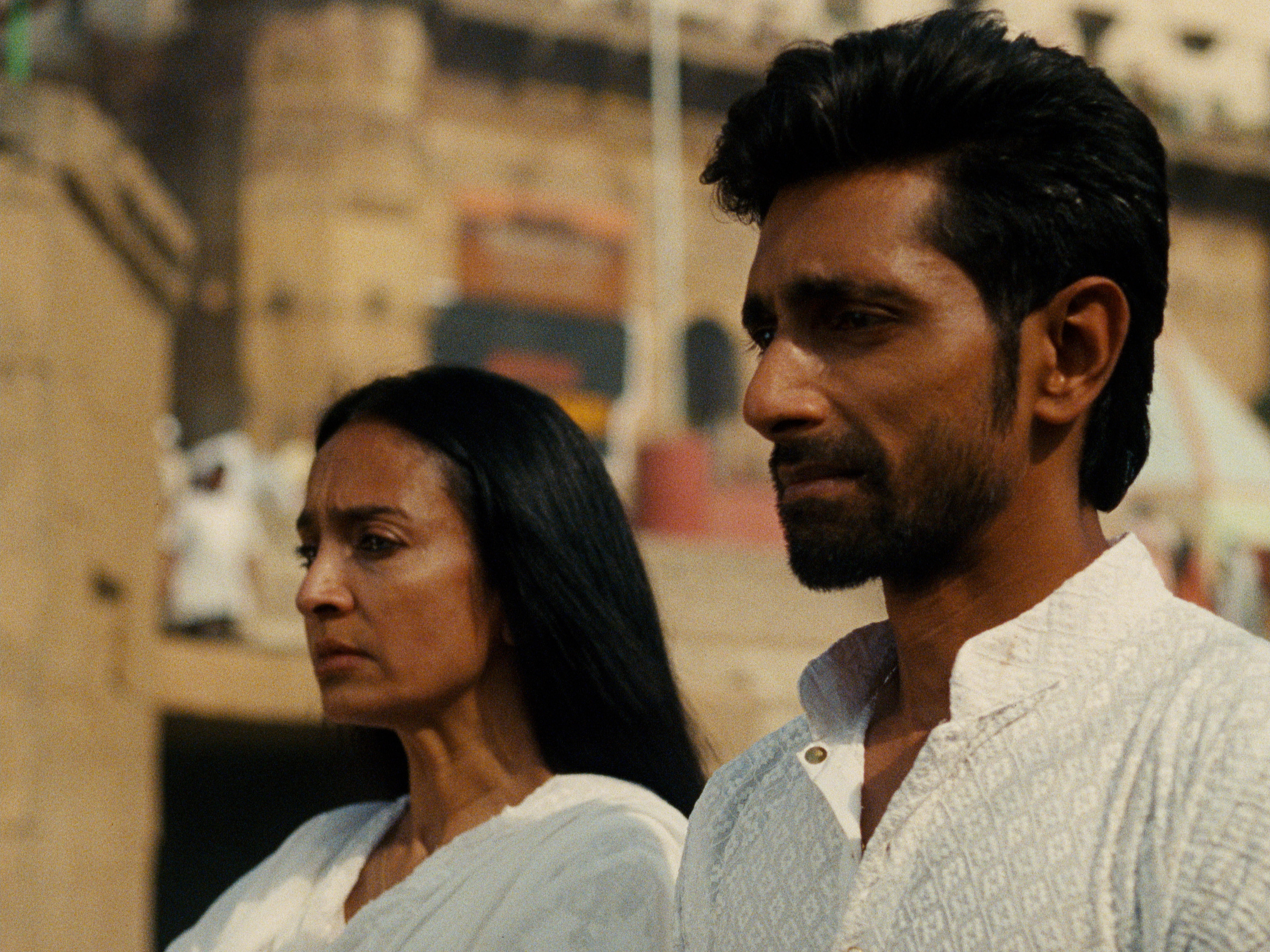
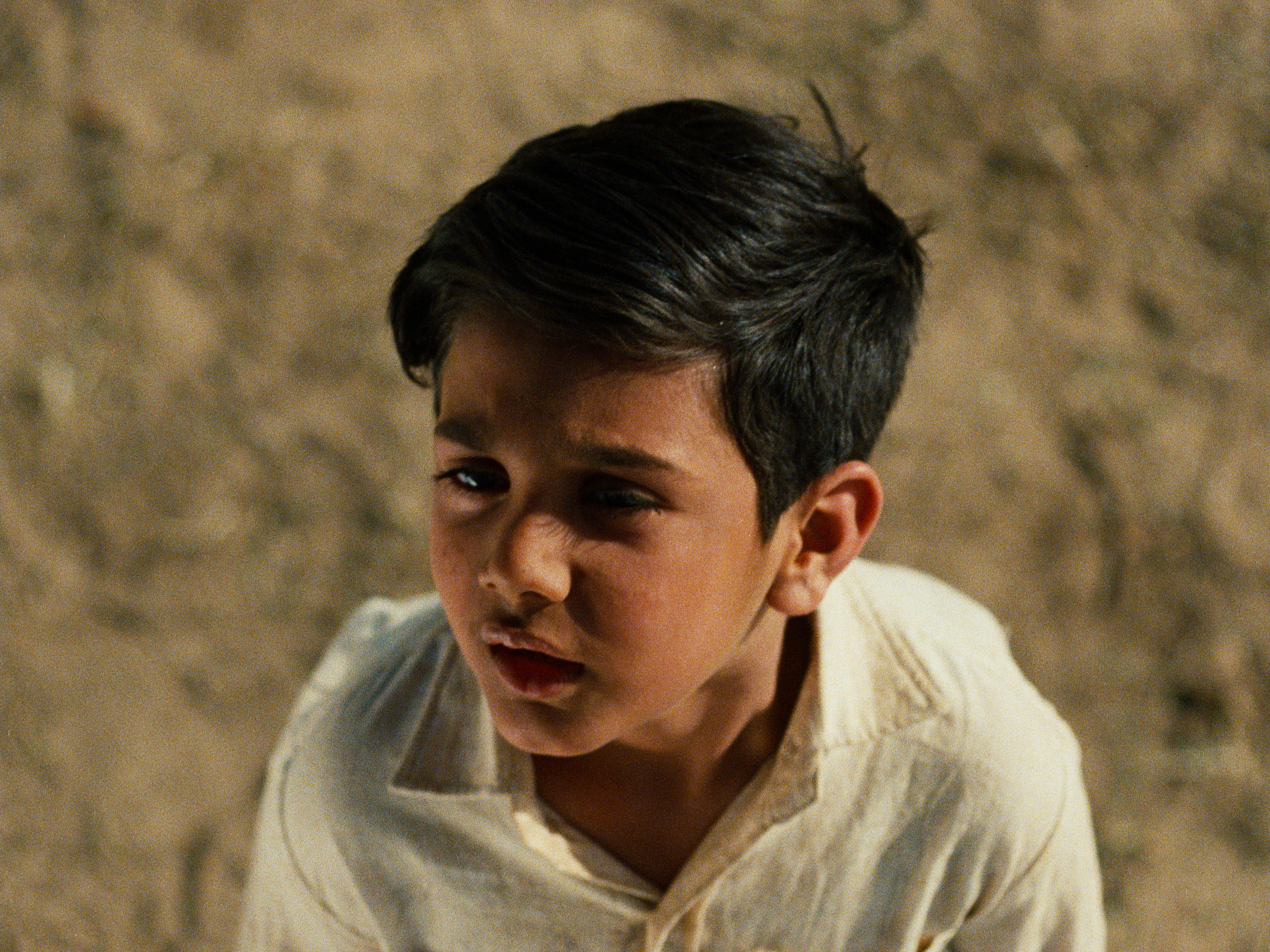
By the finale of the film, the pure intensity of what it depicts, much less the literal location it takes place (aka: the Ganges River, which really is the effort’s underlying “character”), strikes you with unrelenting, evocative symbolism, substance, and impassioned purpose. Plus, the music score our ears are pervaded by is VERY ethereal and transformative in its own right, serving to enhance the film’s potency of intent with its moving melodies. I am truly running out of ways to describe what I’ve had to a LOT more over the last many years as a critic when it comes to the sheer excellence of performance provided by child actors. With this film, we get dual exposure to expand on and lend further support to this statement, first through Janath, whose unavoidably endearing charm is so maturely tempered by a quite adult level of dramatic delivery that creates the character of Isha, a girl confronting death in an immensely personal, then rawly extraordinary manner.
Coping with the loss of her much loved grandfather whom she really barely had the chance to truly know, Isha’s innocent yet intense interest in learning where he’s gone to after posing the inquiry to her parents ends up leading her on a quest for answers that will blur the lines between what is real and the otherworldly, accompanied through it by the younger version of the very soul she’s wanting to know more about. As she learns from him on this afterlife-and-back reality excursion, the newfound recognition and awareness Isha gains is eye-opening, scary, surreal, and finally comforting as she lets go and allows the whole of what she’s now discovered sink in. It’s a formative and freeing scope of events Isha pursues, and how energetically and more importantly BELIEVABLY Janath guides the character through it all is just plain impressive and sympathy-inducing thanks to her performance.
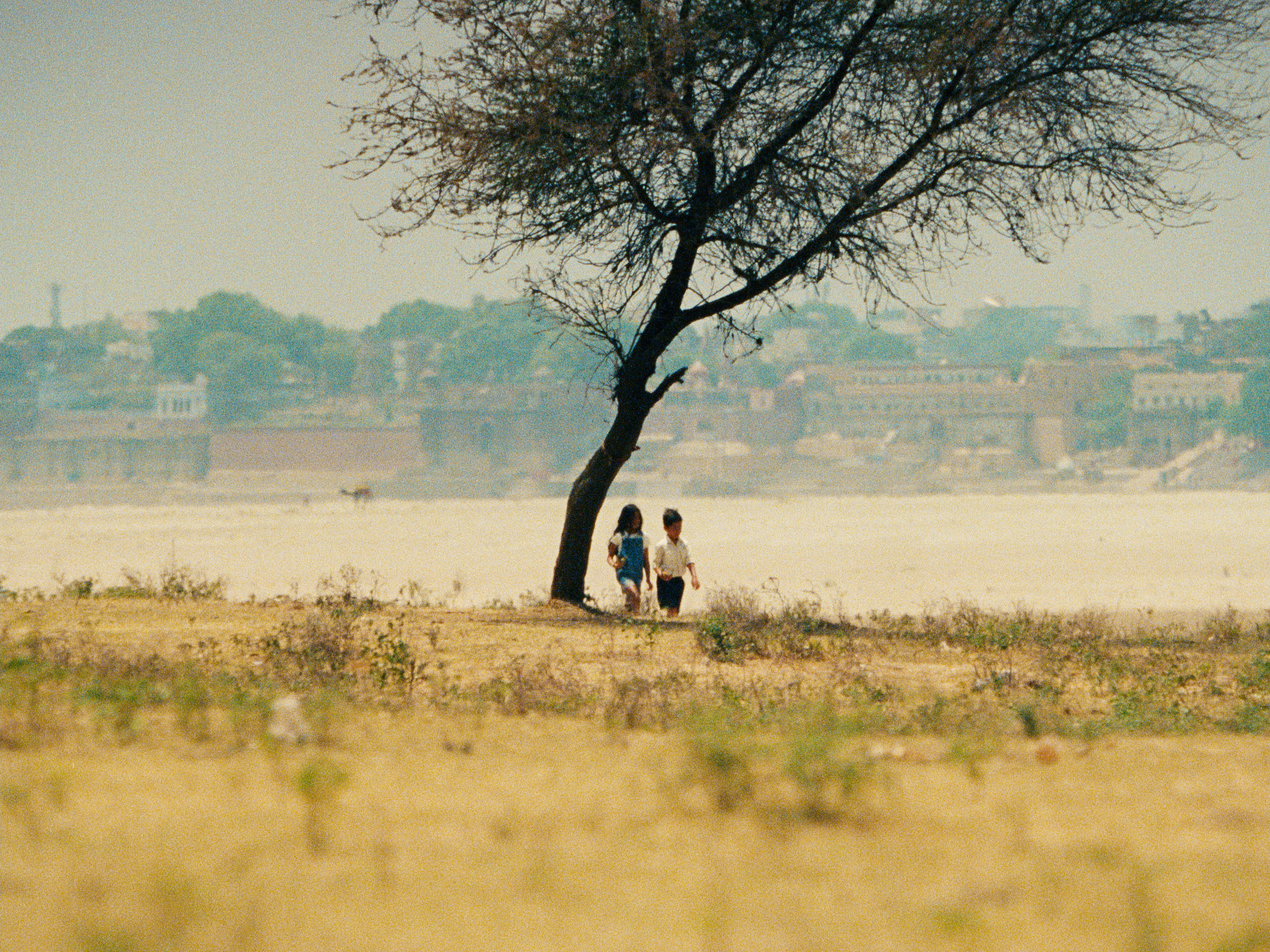
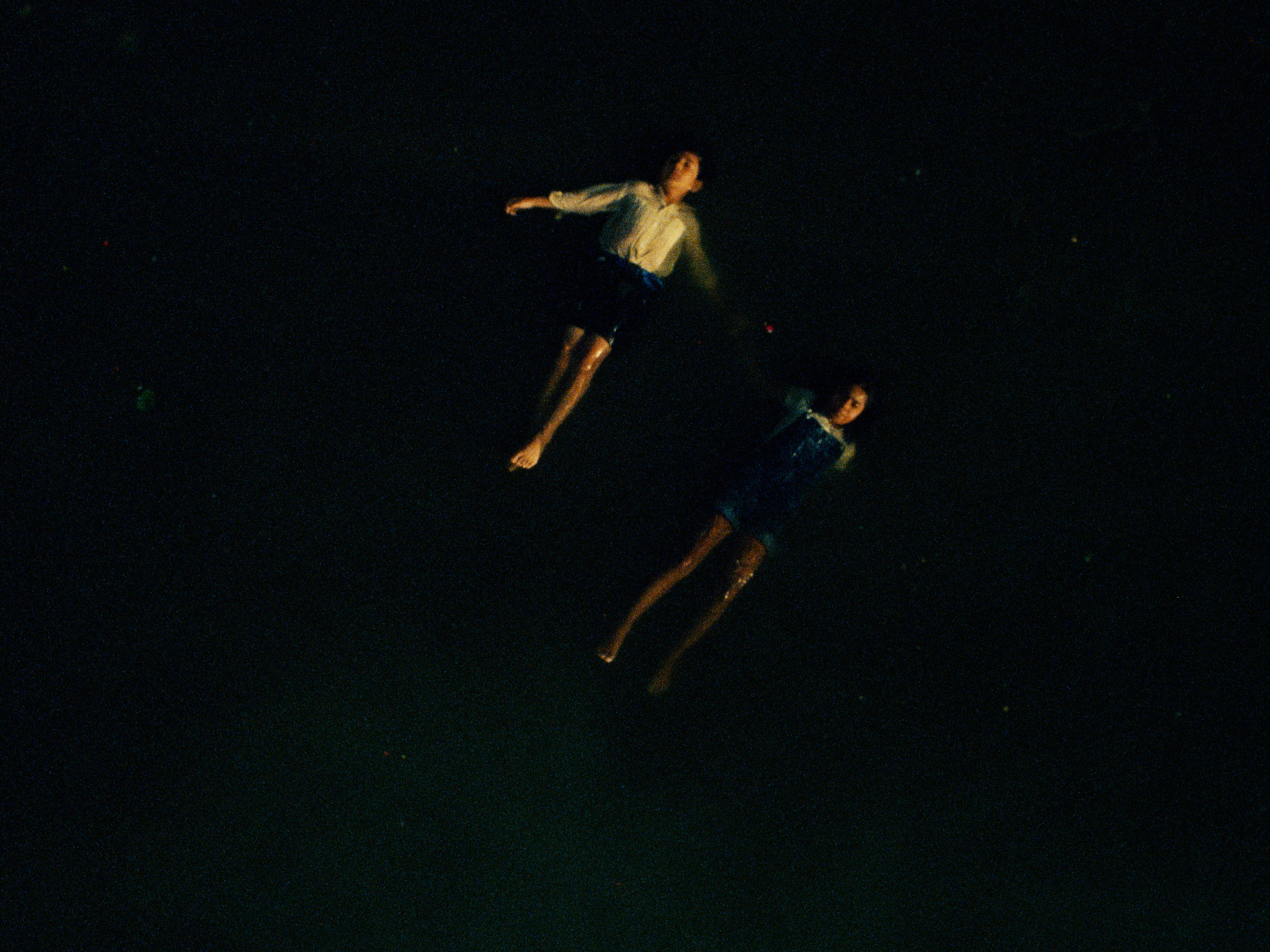
Likewise, Pahwa lends his own degrees of enigmatic delight and calculated mischievousness into the character of the young version of Isha’s precious Nanu, who arrives on the banks of the Ganges to be her escort on an expedition of what comes after death while also giving Isha the chance to get to know this side of him that she, of course, never knew. But, even as their lively and frolicsome trip brings mostly joy, moments arrive that cause him to take Isha to places which give her pause about both where they are and who HE really is. How Nanu then takes her through these harder moments, and how she will end up reacting to it all, becomes the gist of his intent with her, leading to either inner confinement or liberation. Pahwa is, like Janath, so magnificently spirited and bubbly in his performance, but can also bring the quickest of moments that carry a more dramatic measure of urgent fervency that so deftly befits the scenes. Just a great performance all around.
The primary supporting turns arrive first from the amazingly talented and mesmerizing acting veteran Pillai as Isha’s mother Indu, whose doting nature plus undeniable love and concern for her child is actually put to the test when Isha asks about where her departed grandfather has gone, even as Indu tries to handle and process her own pain from the loss. Tyagi plays Faisal, Isha’s father who becomes the first of her parents to be with her in facing both images and ideas of death in the wake of Nanu’s riverside funeral, trying to bring his daughter peace about it before she embarks on her unforeseen interlude into the hereafter. An additional appearance is made by Avinash Razdan as the older version of Nanu, whom Isha has a rather disconcerting run-in with when her journey takes an even more wildly fanciful and initially disquieting divergence.

So, in total, “Who Are You, Nanu?” skillfully enchants the soul, providing a cathartic, heartening, emotive exhibition on the cherishing of memory, valuing the past, learning about death, grasping onto the answers we’ve been perhaps hesitant to seek out, and accepting things we won’t get to experience with someone, all while allowing ourselves to be swept up in what we will treasure about them, a gift from the universe, pressing into those we still have, never forgetting those who’ve now moved on and what they brought to our lives. With a fresh perspective in hand, perhaps even transcending what we thought we believed now or in the past, can we honestly discern and give credence to the fact that maybe “the end” really isn’t that after all, but rather just a harbinger of new beginnings, even if at minimum only without our own hearts?
STAR RATING (out of 5):

As always, this is all for your consideration and comment. Until next time, thank you for reading!